
Podcast Episode: Community, Storytelling and Holding It All Together with Garima Verma
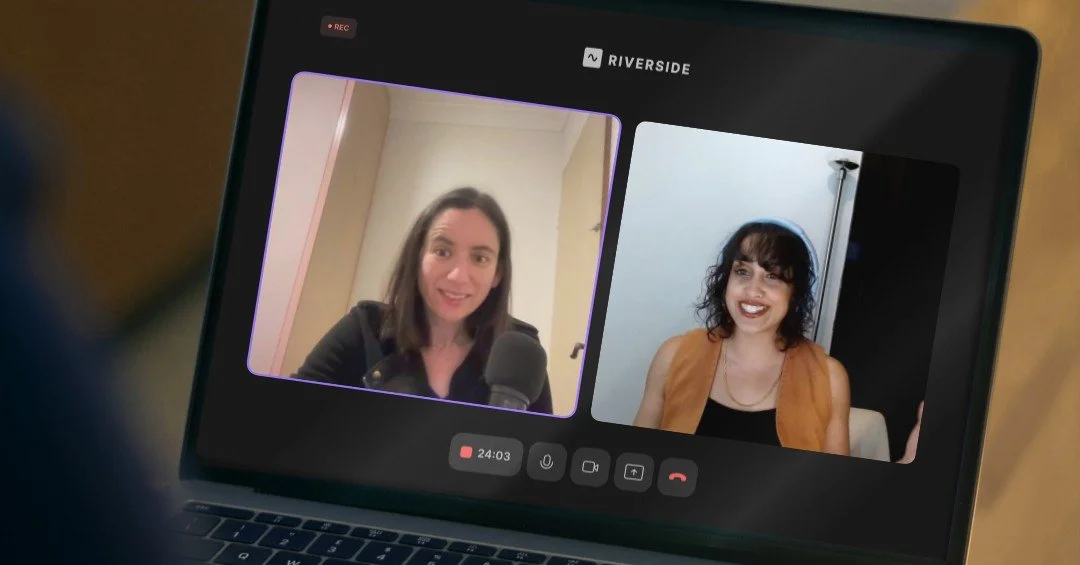
Listen to the episode on this website, Spotify, Apple Podcasts, or most major podcast platforms.
Episode: Community, Storytelling and Holding It All Together with Garima Verma
Content note: This episode includes discussion of grief and the loss of a parent to terminal illness. Support resources are listed at the end of these show notes.
About this episode
Connection has never been harder — or more important. In this episode, Melanie sits down with Garima Verma, a New York-based writer, director, creative strategist and community builder whose career reads like several lives lived at once: launching diverse storytelling at ABC, working on major films at Paramount, joining a presidential campaign's digital team, serving in Dr. Jill Biden's office at the White House, and becoming Stacey Abrams' chief digital officer.
Garima brings a psychological lens to everything she does, and this conversation moves fast and goes deep. She and Melanie explore why the complexity of our solutions has to match the complexity of our problems, how algorithms and echo chambers have trained us to treat discomfort as danger, why trust in institutions is at an all-time low, and how the scarcity mindset convinces us that someone else's safety must come at the cost of our own.
The conversation also turns personal. Garima shares how her father's terminal brain cancer diagnosis arrived just as her childhood dream of moving to New York came true — and what it taught her about holding grief and joy in the same hands. From her mother's post-loss creative renaissance to upcycling generations of family clothing, from Love Island as cultural analysis to finding your own way to contribute to community, this episode is a masterclass in refusing extremes and creating your own lane — and your own life.
About Garima Verma
Garima Verma is a writer, director, creative strategist and community builder based in New York City. With a background in psychology and communication studies, her career spans entertainment and impact: she worked on shows including Blackish, Modern Family, Fresh Off the Boat and Speechless at ABC, and on films including Mission: Impossible at Paramount. After volunteering on the digital team of a presidential campaign, she moved into political and nonprofit work — serving in Dr. Jill Biden's office at the White House, working as Stacey Abrams' chief digital officer, and helping build foundations from the ground up, including work on the Virgil Abloh Foundation. She built a first-of-its-kind congressional district program at the DCCC, has produced and hosted TEDx events, and now writes cultural analysis blending human behaviour with entertainment on her Substack. Her work centres on storytelling, creativity and community as engines of social change.
Episode breakdown(timestamps approximate — confirm against final edit)
[00:00] Why community building is harder than ever — and more important than ever
[04:06] "Everything is political": from groceries to local infrastructure
[06:34] Garima's story: psychology, ABC, Paramount and storytelling that disarms
[09:38] From campaign volunteer to the White House and Stacey Abrams' digital chief
[11:30] When life forced a pivot: her father's diagnosis and going freelance
[16:02] Echo chambers, algorithms, and why discomfort now feels like danger
[19:34] Most people aren't mad — they're afraid
[20:48] The erosion of trust in institutions
[22:37] What's really going on with nonprofits — and listening instead of telling
[29:20] Everybody is struggling with something
[30:24] Divide and conquer, scarcity mindset, and comparative suffering
[37:42] Conformity, accountability and what Love Island reveals about all of us
[40:13] The Santa story: two kids punished for telling the truth
[46:53] There's a place for everyone in community — you just have to find yours
[54:26] Whimsy and rage: why we can't live in the darkness or escape it entirely
[57:51] Grieving her father, and learning to hold joy and pain together
[1:02:36] Her mother's creative renaissance: 200 hobbies and counting
[1:05:53] Permission to be bad at things — and to just like what you like
[1:10:36] Don't just create your own lane. Create your own life.
Key insights
Garima observes that the complexity of our solutions has to match the complexity of our problems — with cognitive loads so high, we have to work harder to disarm people before we can genuinely connect with them.
She notes that most people aren't angry — they're afraid. Everyone wants their basic needs met, and the scarcity mindset convinces us that safety only comes at someone else's expense.
Garima explains that algorithms have trained us to treat discomfort as danger — anything that doesn't validate our beliefs disappears with a swipe, pushing us deeper into echo chambers while real life requires holding multiple truths at once.
On community and nonprofits: she argues we need to listen to communities rather than decide what's best for them, and give people permission to contribute in ways that actually fit their lives — not gatekeep the "right" way to show up.
Garima shares that grief doesn't get smaller; you grow stronger around it — every good moment in her life now also carries the absence of her father, and both have to be held together.
Her closing message: don't just create your own lane, create your own life — the choices that lead to misery are usually the ones conforming to someone else's idea of happiness and success.
Support resources
If this conversation raised something for you around grief or loss, please reach out:
Australia: Lifeline 13 11 14 | Beyond Blue 1300 22 4636 | Griefline 1300 845 745
International: Crisis Text Line (text HOME to 741741) | findahelpline.com
Connect with Garima Verma
[PLACEHOLDER — Substack, socials and links to be confirmed]
Join the community
Join The Motivate Collective community for more conversations, events, and resources built around growth, wellness, and conscious living: www.motivatecollective.com
Special Opportunity for the Motivate Collective audience:
10% off your entire order at HumanCharger
Support your energy, circadian rhythm, and confidence
Code to be used at checkout: THEMOTIVATECOLLECTIVE
As seen on The Motivate Collective Podcast
Get your HumanCharger light therapy headset now.
https://humancharger.com/THEMOTIVATECOLLECTIVE
Transcript
Garima Verma (00:00)
And I just saw the one. Okay, I can start over. you know, I think to me we're in a moment where people are finally realising that we actually have to do the work to connect people and connect with people. And it's not an easy thing; it's not simple. The world is really complicated; it's very fragmented, it's very isolating. And so it requires a lot more effort to be able to like, reach out your hand and bring people to your side.
Melanie Suzanne Wilson (00:03)
Yeah.
Garima Verma (00:26)
to have meaningful conversations, to be in spaces and community together. And a lot of people are still resistant to it. But I think it's harder than ever, but it's also more important than ever. And I think people are starting to finally realise that. Like, you know, I kind of see this the world through a psychological lens. It's just how I process the world. It was one of my majors in college and like I think about it and I try to explain it to people and you know I did I started doing this training last year because I was like why can't we get people to understand what we need to do differently?
And I was like, okay, I think people aren't understanding the fundamental differences in the landscape, right? And like how people relate to information, how people get it, engage with it, how they move from awareness to action, how they relate in a one-on-one context, how they relate kind of in a more like event context and experience events differently. And so I was like, that's something that I need to be able to explain to people that the complexity of our solutions has to match the complexity of the problem. And right now, people's cognitive loads are so high, their critical thinking abilities are so low that you have to do much more effort to disarm them enough to have a conversation, to come to an event, to be engaged when most people are just trying to survive. And it's really about, like how do we find, you know, like I think the next one in New York for the first time, it is I live in New York City. It was just like in the streets. Everyone is becoming best friends watching this basketball game like throughout the week. There are people like just playing music and talking to strangers, and it was like, all of a sudden this magical bubble of this thing, like this sports team winning after and and playing in the finals after so long actually brought all of these diverse communities together, connected through one thing and it didn't mat nothing else mattered. Your differences didn't matter. And I think that was actually a wake-up call to people of like, my God, community building works, but you have to do the effort to build it, and you have to invite people in and find common ground and lower the barrier to entry instead of just being like, you should care because you should.
Melanie Suzanne Wilson (02:21)
Absolutely. There is so much to unpack there. How should I pronounce your name correctly?
Garima Verma (02:26)
Yes, ⁓ Gadema Verma.
With an is sound, so garima. Garema. Garema, yes. Yeah. And it's like a lot of people default to the, like, Garima, but it's Garima.
Melanie Suzanne Wilson (02:37)
Thank you so much for being on the podcast. I'm delighted that we started with a rant about community. This is exciting. It's delightful. You instantly tapped into things that I care about so much and that I hope other people can see they need as well. Community. Look.
Garima Verma (02:43)
Always.
Melanie Suzanne Wilson (02:57)
I'll give you a bunch, I'll break all the rules, and I'll give you a bunch of angles that you can delve into here. Because personally, I personally believe that post-COVID people are trying to remember how to connect. I also know that everybody is so busy, knowing it's like that where you are as well. You were telling me before I hit record that there's so much going on, everybody is realising there are only so many more months in the year, and all so busy.
Garima Verma (03:03)
Okay.
Yeah.
Melanie Suzanne Wilson (03:22)
But also, there are economic reasons as well why we are stretched. And you said that there's an election coming up where you are, and where I live, there's an election later. Later look, politics is an interesting one. I personally tried to keep an arm's length from politics for a few years, and I realised that.
Garima Verma (03:34)
Yeah.
Melanie Suzanne Wilson (03:46)
It affects us whether we get involved with it or not. I mean, the way that COVID, sorry.
Garima Verma (03:48)
Yes. A hundred per cent. Yes.
Everything is political. Like people say that, but it's true. Like trying to ignore it is actually causing problems too, right? 'Cause it's still part of you. It's still part of everything that everyone does and experiences.
Melanie Suzanne Wilson (04:06)
Everything is political. We need to really unpack that for people before they can understand why they need to get involved, because what other option is there? And I apologize; I kept defaulting to the example of ⁓ with COVID, whether we liked or disliked the response to that, or how isolated people became, whatever. And now
Garima Verma (04:14)
Yeah.
You're fine.
Melanie Suzanne Wilson (04:28)
Do you find that what sort of issues have you seen where, whether someone agrees with what is decided or not, those decisions are impacting their lives, regardless of whether they are getting involved?
Garima Verma (04:38)
No.
I think when people say everything is political, often people only think about the idea of like, national politics or global politics. But like politics is also very local, right? It is like the groceries you buy, the infrastructure in your city, like whether or not you can make it to work, whether you can access clean water, like you you know, if you have children, like what education looks like, like all of that is also determined by the people in your local area that are advocating for different resources that are distributing different resources. And so, like, that's, you know, to me it's like a lot also about local politics. Yes, national politics is very important. Yes, yes, like being able to have, you know, power in those places to advocate for communities is important. But it's also so local. Like our own communities need to be able to survive and demand better and ask for more, right? From for like to your point of survival. Like some of it, some of it is survival. It's like when our basic needs aren't met, it's really hard to care about anything else. And so even when I, you know, I've worked in a lot of places. I've worked in film and TV, I've worked in politics, I've worked in government, I've worked with nonprofits and in nonprofits, I'm a creative myself. I'm also work with creatives. And so I like across, but across the board, to me, it's like, how do you make it personal? When people can't see past themselves because they're surviving and they're struggling to survive.
Melanie Suzanne Wilson (05:57)
Okay.
Garima Verma (06:05)
Instead of getting mad at them, explain to them why these things actually do affect their lives, and that's why they should care. Because if they want it to change, there is an actual tangible way for it to change, but you have to be part of the change.
Melanie Suzanne Wilson (06:18)
This is amazing. I agree. I feel inspired. I feel so lucky to be having this conversation with you. Let's start with letting people know, though, how can you would like to journey through to explain to people what your career has been that led you to this point?
Garima Verma (06:34)
Right.
Yeah.
Absolutely. I like that you positioned it as a story because it really does for me feel like that. I've always say like I've lived multiple lives, but I also feel that all those lives are now converging. And you know, so I like I I was saying earlier, like, I have a background in psychology and communication studies, and to me, that has unintentionally and now intentionally been the core of how I see the world is like people and dynamics between people like the systems around us and how the way we interact with each other and the world really impacts our ability to live, to survive, to thrive. And to me, storytelling has always been an incredible way to connect across differences, to help people better understand each other and themselves, to create safe spaces for emotions that are difficult to process in real life, and really like give people alternate visions of who they can be and what the world can look like.
So my first job, I really wanted to work at ABC and got to work, you know, on things like Blackish and Modern Family and Fresh Off the Boat that really like uplifted diverse stories of families in a way that, like I was saying earlier, like kind of disarms people and makes them more open to learning, right? You're laughing along with these families, and you're connecting with them, you're seeing your similarities. And then, as you go on their journey, you're learning about the lived experiences.
of these different communities that aren't your own. And it's not having to, like, it's not being mad at you for doing it. It's inviting you in in a safe way so that you can start to humanise people that other people have spent so long humanising. And I think and understand things that you're just uncomfortable because you don't understand them, not because you like actually may or hold animosity towards them. And so that was kind of the most, like that was just what I really wanted to do. And then I worked in film, and I think, you know, again, everything is political, right? W
We had our first Donald Trump election. They, you know, the industry, also the entertainment industry, was like, we need to be moving towards this giant block of middle America that we felt, you know, wasn't seen through our content. And so the content became less diverse and impactful. And I still love all TV movies, films, theatres, podcasts. Like, I just consume media because I love media. And for me, it was like that; that is the best part of it. And if there's gonna be very little of it.
Like, I love working on things like Mission: Impossible. It is so fun. And I really love being able to, you know, work on things like I was saying, like, you know, ⁓ I show that I helped launch at ABC, which is Speechless, where it's a comedy ⁓ but with Minnie Driver, about a family where the son has cerebral palsy and the actual actor who played him also did. And like, I get I like to be able to hold both, and I think there was less and less of the impactful storytelling and that like, I always kind of end my career, I'm like, where can I do the most good?
And at that moment, it didn't feel like it. We were in the pandemic. And I was like, this is not where I can do good. Also, people had stopped going to the movies, and so I had always volunteered with nonprofits and in politics. I didn't really know it was a job until I got deep into the like viol volunteer infrastructure of the Biden-Harris campaign in twenty twenty and was like, this is a job. The president. So when you volunteer, yeah, so when you volunteer in politics, often it is like the
Melanie Suzanne Wilson (09:38)
Sorry, the voluntary structure. What exactly were you doing this?
Garima Verma (09:46)
Most people are phone banking, or they're doing door knocking or texting people. I like found my way into this team that was like a content team and we were actually like making content that was getting distributed, like, you know, nationally to different groups. We were running like a Pinterest board for women for Biden for like affiliates and stuff. And then I through that I saw that this was a job, that there are people who work in a job, and I was like, How? I think I can be helpful. I think my skills can transfer.
Literally DM'd a bunch of people on Twitter because people were on political people are on Twitter until somebody would talk to me. And I'm really grateful to my boss, who took a chance on me, like somebody outside of politics, to work on a presidential campaign, which was really nice. And I'm really grateful to her still. And I got to do some really incredible stuff. And in that moment, you know, we were all at home. So we actually got a lot of resources as being on a digital team to be able to, you know, actualize the things that we wanted to do. And so that
You know, that kind of led me on this like impact trajectory. And I worked in the first lady's office, in Dr Biden's office, in ⁓ the White House. I was Stacey Abrams' chief digital officer, and in between, had been freelancing and then worked with a Hollywood director on an impact project he wanted to do. I then a nonprofit that I worked with that was like, You should come help us. And I again, in doing the most good, I was like, I want to build new things, and I want to build things that are going to meet the moment. And so externally moved count out on my own. ⁓ I know I've seen like you have a lot of episodes around grief. My dad got diagnosed with ⁓ like very serious brain cancer around that time. And he had like three months to live. He got paralysed very quickly and I I needed the flexibility. So part of it is I say, like, life threw me into freelancing, and it like a p terrible thing happened to throw me into it.
Which but I'm also grateful because I got opportunities that I would not have gotten otherwise, and you know, I got to block off my calendar for radiation. I got to fly to be with my family for multiple weeks at a time for the little time he had left. And that, like that means a lot to me. And, you know, in that in the last couple of years, really, I like helped build foundations from the ground up. I've helped run f like so I helped I was subcontracted by an a impact agency and we helped
Melanie Suzanne Wilson (11:52)
What sorts?
Garima Verma (11:58)
Create the Virgil Abloe Foundation, which was just like, I think, one of the most profound experiences as somebody, you know, it's to create more equity in creative industries. And like I started with, I think storytelling and art and creativity is so important. And being able to, like build help build a vision for impact for somebody who had whose lasting legacy was redefining culture and, like, making, like almost like freeing our creativity and our creative minds, and also who can be
Part of creativity in such gatekeeping industries was just like so profound, like to be able to be part of that. And I was a person trying to get into entertainment, and it was really hard. And there is there are so many barriers and there are a lot of things you deal with. And so like, that was incredible. I got to help build a first of its kind program for congressional districts at the DCC. Like I have, you know, facilitated a lot of workshops, ran a lot of trainings, like I love events, so fun. built like
You know, theories of change and programming structures- like I realise I just like building because I like building strategically, and strategy is really important to me. And then I think we were talking at the beginning, right? Things have changed a lot, and the world is changing and again had another crisis, which was What do I do? Like, how can I do the most good? Because again, this is no longer where I can do the most good, in this kind of political nonprofit realm, because a lot of money has gone away and a lot of resources and a lot of time.
And so in that have really been sitting with the idea of how important almost like back to the roots, right? How important storytelling, creativity, art, community, and culture are for, you know, social change. Art has always been such an important part of resistance, and it storytelling is an important way to connect with people. And so that's, I've kind of it's I feel like I'm kind of kind of coming back to myself, of like I'm allowing my own creativity is like I'm
Writing in the way that I have always wanted to. I'm working on I've directed a lot of things. I'm working on directing. I've hosted a lot of events through organisations, and now I'm hosting events in person. I, you know, all of these like a styling people. I'm doing all these like creative things that I never it was almost like it was on the outskirts of creativity, right? And I'm also working with creatives because I think there's a lot of people that I've met that they have creativity, they want to channel it to do good, but they don't know what to do.
And a lot of people with really good companies or organisations or initiatives, but they don't know how to talk about themselves. So how d how do we both develop storytellers and stories at the same time? Incubate stories that can actually break through, like give people an entry point. Like the way I I write is also kind of cultural analysis mixed with human behavior. So I've been writing about Love Island. So you were asking like part of why it's busy. I'm doing a Love Island watch party, but have also been writing about Love Island, right? Like
⁓ like my last piece was about like it was called the opposite of accountability isn't ignorance, it's conformity, and breaking down the like psychological and sociological mechanisms that maintained a problematic person and behavior in the show, but also it is all applicable in our lives too, right? and so that being the like entry point for people, it's like this is a fun show, reality dating show, but then there's so much complexity to it if we just look hard about
I know that was a lot of things, so that's why I thank you for letting me tell my story that way. But yeah, it is a tapestry of things.
Melanie Suzanne Wilson (15:12)
I'm glad you shared the whole tapestry, and you've done so much amazing work. I'm in awe. I feel so inspired by you. The common thread today, and this will blow your mind. Look, for those who don't know, I let guests pick the time slot that suits them within what I have available. So, however today has mapped out, it's just how it aligned for you and the previous person.
Garima Verma (15:21)
Thank you.
Melanie Suzanne Wilson (15:38)
The person before you is a storyteller as well. And now you are a storyteller. And this is the theme of the day, quite accidentally. The podcast tells me what the theme is, not the other way around. It's so good. But what I can tell you is that the storytelling, going back to the storytelling and realising that realizing going back to storytelling has been part of your journey.
Garima Verma (15:41)
Amazing.
Love.
Yeah, please.
Melanie Suzanne Wilson (16:02)
I am seeing that a lot of people need that and can learn from you in this because people think that a story is we all grew up looking at Disney, things like that, and you mention entertainment. It's great to be entertained, but people forget that even entertainment can tell us something about life now and our individual lives, but also
Garima Verma (16:06)
Yeah.
Mm-hmm.
Mm.
Melanie Suzanne Wilson (16:27)
You told us that storytelling within a political context it's needed because life is political no matter what. And to see that you are doing storytelling in that space where whichever side of politics someone is on, I wanted to reassure look, I have met people on both extremes and I just I've loved acknowledging your relevance in all of this and I'll talk about not-for-profits in a moment. I grew up with a lot of volunteering. We'll get to that. But for the political side, I'm wondering if you've seen that people on both extremes, the opposite ends, end up actually wanting just the same human needs and we just have different ways of fulfilling our basic needs.
Garima Verma (16:58)
Yeah.
Do I think that, like we I think anybody on any extreme is that's like a difficult thing to hold, right? I think that I'm very much a person where my answer is always gonna be it depends. And that, like, I really think that ⁓ to your earlier question of like you know, did COVID change our way to approaching things? I think part of not just what COVID did, but also being ruled by algorithms and AI for so long, like discomfort has been danger, anything like that feels like it doesn't affirm because, like, right we've spent so much time with these algorithms they're you swipe past something, and it is like no longer there, and you will no longer see it again. So anything that doesn't validate your own beliefs and validate your own comfort is automatically gone. And so we've been trained by that, and even right I always tell people and like Netflix change their interface for the first time to be more like the social media algorithms. And so that means people are being yes, so people are being pushed deeper and deeper into their hyper personalized echo chambers. And so to break out of them, I think people it's almost like pe it's like a they're trying to figure out like what to do and how to like say, but you're only in your echo chambers, and you're just being validated. So you go more and more extreme. But most of the world and most of humanity require complexity and nuance. It requires holding multiple truths together. It requires sitting in that discomfort. And I think when people are scared, and people are overwhelmed both by, like the sheer amount of information they're being inundated with and their inability to survive in tough economic times and all of these different things, then they it's it's like almost like a cry for help. Like, I don't think I wrote a piece on this actually. Most people aren't just afraid we're not helping by or most people aren't mad. They're just afraid, right? And I think that's what's really difficult is that in both extremes people I I think everyone ba everyone just wants their basic humanity met met, right? They want their basic needs met. They want to be able to thrive. And so much of the messaging is the scarcity mindset that there's only enough resources to go around for a few people. So everyone has to tear each other down. And so on these extremes, like everyone wants their needs met. They want to feel safe. They want to like feel secure and the way that they go about expressing that is just different. The way that they're told in these echo chambers that you should go about doing it is different.
Because it's like I I my success has to be at the expense of somebody else's, but that's just not true.
Melanie Suzanne Wilson (19:34)
It's that is spot on. People are scared. You are telling me something that I need to hear at this point in life. And I know that other people do as well. This is I'm just so grateful. The reason why this is resonating so much. Look, I ended up socialising with the political world a little bit. And the reason why is because I did the hideaway and keep away from it approach.
Garima Verma (19:54)
Mm.
Melanie Suzanne Wilson (20:00)
And it didn't really make me any more safe and secure in life. It didn't bring me closer to what I needed. But I can be vague and kind in sharing with you that someone who other people say is going through something was wondering: why is Melanie still mingling with?
Politics. What's going on here? Melanie must have an agenda. What the hell is Melanie up to? And it was this; it was mainly one person. It's paranoid. And there's an element of- I'm so curious if you've seen this in America in the spaces you were in, especially working for political people. I worry that we are all at risk of becoming a bit.
Garima Verma (20:22)
Mm.
Mm. Yeah. But there's paranoia.
Yeah.
Melanie Suzanne Wilson (20:45)
politically paranoid in one way or another.
Garima Verma (20:48)
I think we already are. Like here, I can tell you we already are. Like I I think that I mean, I, you know, part of what I've done with some of these trainings is talking about how, like the trust in institutions is lower than it's been, right? That's and that's an all-time low. People trust individuals, but they no longer trust their government to work for them. They no longer trust their journalism institutions to tell the truth. They don't trust their politicians to be advocating for them. They don't trust the nonprofits, and like people don't trust any or like system anymore. Even the ones that aren't as political, they are paranoid because for so long our systems have failed people. And I like, I will say like, the thing that is always I I understand again, I like I I really believe in holding a duality. And I think there is duality in the sense that people are afraid, and they should want to be engaged and do something about it. And they're, you know, the systems will only work if we push them to work for us. And when you've been let down so much, I get why you're angry. Like I get every year, every election cycle, we tell people this is the most consequential election of your lifetime. If you keep telling people that, it's gonna lose its meaning. Like, it how am I supposed to believe that? And I get why people feel that way, right? Like
Melanie Suzanne Wilson (22:03)
Yes.
Garima Verma (22:07)
How am I supposed to believe that this, yes, this is the one that's gonna change things when all of the last ones I've lived through my life didn't change anything? And so it's I think it we also have to like have understanding and empathy for like the average person that may not know as much about the systems and how you can push them because they've been failed by the systems.
Melanie Suzanne Wilson (22:27)
I can relate to that feeling so personally that I can't say it. And I'm curious about your perspective on how people feel about not-for-profits.
Garima Verma (22:37)
Yeah, I mean that's another that's another piece, right, where people are losing their trust and their ⁓ faith that those types of organisations will work out. I think the hard thing about living in a hyper-capitalist society is that people are trying to survive in our even more economic economically motivated society, that money is the end-all, be-all answer to things, and there's less money to go around from the average person, which means a lot of organisations are being funded only by wealthy people. And then they are also the priorities of those organizations are focused, like the bigger ones. And then a lot of the small grassroots ones don't have as much funding and resources to do things. And so I think that's also we but get stuck in a standstill, where everyone is people mean well, but then they're being told that they need to do X, Y, and Z things to protect themselves, to protect their jobs, to protect, you know, their funding, and that is also difficult. Like everyone's just stuck in a trap in all of these spaces of even if we want to do good, how do we get the resources to actually do it? How do we convince the people who are pulling the strings to let us actually do the things that people need? And some people, again, some politicians, some nonprofits, some organisations are working on rebuilding that trust, are working on listening to people instead of telling them what to think. I think that's another problem is like
We often decide what's best for people and what people need to hear. And we also need to hear them. And that's I think, some of the erosion of trust and something I've been telling people is like we have to actually have to go into the communities and you have to listen to people. Like, what are you struggling with? And then how can we help instead of this is what I think is the best policy, this is what I think is the best nonprofit program that's gonna serve the community. The needs of the world, the communities have changed, so you have to go find out what they are instead of assuming what they are. Data's only going to tell you so much. I think data is very important. And talk to people, bring them together, create safe spaces for them to express their feelings. And then it then you can address them.
Melanie Suzanne Wilson (24:29)
Yeah.
Absolutely safe spaces. This is another reason why I love doing the podcast, because I believe people forget or wonder if other people can really relate to them. We are in these siloed bubbles, and you mentioned how Netflix and social media show us only a bit of things. And so people are going to wonder: can the people around the people on the other side or the people in institutions?
Garima Verma (24:55)
Mm.
Melanie Suzanne Wilson (25:02)
Really, even understand what I am dealing with. And you would be one of the most bureaucratically connected people I've had on the show. Because a lot of people are working independently or doing something else, and that's great, but you are shining a light because you have worked on the inside. And honestly, I can tell you that.
Garima Verma (25:05)
Yeah.
Melanie Suzanne Wilson (25:26)
I'm close to saying it's half-half. I won't give a percentage, but I have had people on the show who are on the other end of the political spectrum. And I've seen from both sides, I can say this, let me know if I'm too passionate about this for a second, but I mean, I recorded with a conservative staffer in a state near mine, and I'm recording with you, and I talked with a whistleblower. And what I'm saying is that on both ends, you will see people who care.
Do you see that people need reassurance that someone out there will even listen to them?
Garima Verma (25:58)
A hundred per cent. I mean, I also think you know I grew up in conservative areas. I am not conservative, but I grew up in conservative areas, and I can see that again with the duality, right? It's that some people have these beliefs because that's all they've grown up with and that's all that they've known. And they're being fed no other information. And so it's hard to just be angry at them, you know.
For not knowing. Like I I tell the story often where I, you know, when I went to college, I joined, you know, social justice orgs and volunteering orgs, and I got fully just yelled at for not understanding the intricacies of systemic racism and the intersectionality of all the issues that were sorry, excuse me, like causing harm upon like the students we were working with in school. And I'm the kind of person that was like, I'm gonna go figure this out. But there were a lot of people that then went, and we're like, forget that. I'm not like, why would I stay in a place that I'm being like yelled at for not knowing? And I think back to that time, and I'm like, yeah, I didn't know any better. Like, I registered as an independent in high school, which is laughable now because of everything that I've become and done. But like it was because like I registered without a political party because I knew that I wasn't aligned with the people around me, who were all in the Republican Conservative Party. But I also, it was so
Melanie Suzanne Wilson (27:04)
Do you mean?
Garima Verma (27:14)
Such a bad word to be like a Democrat that it I didn't think that that was something I could do either. And I didn't really understand where my beliefs were. And I also didn't have the tools or to understand them because what I was being taught was also not it was skewed, right? And so it was I look back on that and I'm like, I have empathy for people on the opposite end who may not who may have been yelled at for not being
aware of things. And I think there is a personal responsibility is when you do when when you are starting to get aware instead of fighting the awareness, you need to lean into it and like like the discomfort, right? Sometimes the discomfort is that we have to understand our part that we've played in the problems because we all have responsibility and we've all played parts in accidentally tearing people down, in feeling systems that are not working for other people, in supporting the wrong people and saying the wrong things. Like we've all made mistakes and to like sit
In the discomfort of this information that doesn't agree with me that is I'm learning about, I should dig deeper. So it's like there's both a personal responsibility, and I think when we're trying to like, for the reassurance, right? That it's okay that you don't know yet, and come and learn. And then obviously the other person has to also be open to learning, but I think both have to be true now because, yeah, like people would most people are just angry.
They're angry that people don't understand them, they're angry that people disagree with them, they're angry that people don't see their own humanity and their own needs. And so they lash out in some way. And we kind of have to have a little bit more empathy for the fear and invite people in instead of and reassure them that we want them here instead of just getting mad at them on one end or the other.
Melanie Suzanne Wilson (28:53)
Absolutely, absolutely. I want to revisit in a moment what you said about the stigma of being identified in a particular way. We'll get to that in a second. Also, just the overarching theme here is that everybody is struggling with something. And I can see that you have seen people from all walks. I feel so grateful that socially, often accidentally, I've met people from all walks. I knew a CEO who is struggling emotionally and in other ways. I have known people who are in management or politics or wherever or not-for-profit volunteering anywhere. And
Sometimes people don't see from the outside of any of those bubbles that we are most of us are either struggling with grief, like what you described with family, or we are struggling with the cost of living our lives, no matter who we are. Seriously. You could be the boss of something and still wondering how I'm going to make this all work. We are all struggling. It's that bad. And that's why.
Garima Verma (30:04)
It's bad.
Melanie Suzanne Wilson (30:08)
The one thing that is going to rip all of us apart, let me know if you agree, is this narrative that those people over there, whoever they are, don't get what it's like; they are doing fine, and I'm not. Do you think that narrative there is such a part of this?
Garima Verma (30:24)
I mean, yes, like historically, right, the way that people have stayed in power is divide and conquer. You realise that there are if they realize that there are more of us than there are of them, then we won't be able to control them anymore. And that's where part of the scarcity mindset comes from, right? Is like this idea that you can only be safe at the expense of somebody else's safety. And that's not true, but that's what people who want to maintain power say, right? That this is what
Has to be true. It's like the way, even interpersonally, it's the way that a lot of women will tear each other down in workplaces instead of lift each other up. I've experienced that plenty of times. And it's because they feel that there's only room for one of them. Or they feel like I talk often about the idea of comparative suffering. We feel that because I have suffered, you also must suffer. Like as a result, I actually was watching a show earlier that had a very literal interpretation of that.
Where like this guy was going up to try to get an audition and this woman was like, You're you know, are you like that person who is just here and they're just like, I like just needed one person to give me a break and like let me through. And he's like, Yeah, thinking that she would do it. And she was like, Well, no one did that for me, so I'm not doing it for you, right? And that like such a literal interpretation of what I talk about all the time, which is, unintentionally, sometimes intentionally, but unintentionally, we've internalised this idea that there is room for only one of us.
Melanie Suzanne Wilson (31:35)
Wow.
Garima Verma (31:44)
That I can only be successful or safe or okay if you aren't. And then that kind of thing happens, right? We're like, then I suffered, so you must suffer just as much. And that's not helpful or productive. It's actually just what people tell us to maintain control. And because I, you know, I very much think we should have empathy for a lot of people. I also think that people have some amount of personal responsibility in being able to regulate themselves to understand, to express themselves and to also work through it with you. And there are some people that simply are here for power. Like it's not everyone. Like a lot of people are afraid. Most people are afraid. But there are a lot of people that are just here to hold on to power and they're great. And so those people are the ones that are saying these things so that we all feel like there's not enough to go around. And then we need to tear each other down. And we can only be safe if those other people are not safe.
And that is just false, but it is a narrative to maintain power. ⁓ and I you know, I actually so the right I brought up the show and why I keep coming back to this like idea of storytelling is like right now when we are so like quick to jump to conclusions, quick to dismiss each other, quick to feel unsafe with other people, that's where I think stories really are a way to connect to that, like shows like that, and also it's why I write like through culture, right? Instead of writing like my last piece about accountability. Instead of writing about that in the political thing that just happened with Graham Platner in Maine, it is easier for us to see how these dynamics are reflected in reality television, for example, or in movies that we watch or in TV shows that we watch. And it feels like a safer container for us to process what is happening and understand and break down what is happening than trying to see it in something that we automatically feel is too difficult, whether that's our personal experience or not. And so I kind of wrote a whole piece about, like, realising there, you know, there's I don't know how much you follow things like Love Island, but there's a couple in Love Island where, like, one of the men is just a lot of the a lot of people on the show are toxic and problematic. But his behaviour time and time again has been so terrible. And then there's an episode of the in my mind, the best episodes of Love Island are like movie night, where after the men and women are coupled, they've separated, they bring in new men and women and test their relationships essentially, and people bring people back or not. And then everyone's lying to each other. And then movie night, they get to see clips of what the other people were doing. So like, if there's no room for the lies anymore, it is the best it is the best episode of Long Island, and in that everybody sees this man's behaviour. You visibly see everyone shocked, right? Like they are like appalled at what is happening. And yet and it's like only one person and one couple call it out, and then they're gone the next episode. And everyone else then continues to allow his behaviour and make a justification for him. And that really got me thinking about this, right? And about this idea that we think that information is enough for people, that if people just knew, then they would do or choose differently. But there's so many other things at play. And so I kind of wrote this piece around that, right? Around how, like you know, we thought it was ignorance, but a lot of people will see the truth, and they'll choose to protect the status quo anyway. Right. And because it there's a high cost in groups, like conformity leads to a high cost that you feel like you're like belonging and acceptance in the group is at like being threatened. And so you stay silent. And often the people who challenge the status quo, challenge the group harmony, even if they're calling out toxic behaviour, pay a higher price than the people who actually are the problem in the first place. And so, like writing about that was also healing for me. And it's also fun and interesting to kind of unpack the complexity of all of the things that work together on an individual and group level for us to refuse to hold somebody accountable even when we know the truth and what the cost of staying silent is and what how this perpetuates toxic behaviour, toxic systems, like people like that continue to thrive. And I think it's just interesting to be able to hold all of that and be like, it's not just one thing. We're not just trying to solve for information, and people need to know better. It's also all of these other things that they need to be able to break through to still stand up in their authenticity, to stand up in, you know, accountability. And that there's like a balance between conformity and community. Somebody actually replied to that's right, asking about that. What if you replace it with conformity, with community? And I was like that again with extremes. Like I grew up in a, you know, an Indian culture that is very, very community-driven, I think also to a fault. And then I grew up in an American culture that is very, very individualistic to a fault. And I think the beautiful thing, as difficult as it is to be like a person travelling two identities for most of your life, that the beautiful thing is I feel like I was able to create this version of it that holds both, that holds the good parts of community.
And the sacrifices that you should make for community, but also doesn't sacrifice all of myself anymore for community and is still able to still working on it, right? Maintain the individuality that's also important. And then we find this middle place. And when you find the middle places, then we can all connect again and we can all figure things out. But I had people like responding to it and be like, this actually helped me process X, Y, and Z situation from like years ago. And that
meant so much to me because I was like, that's part of what it is. You read it because it was about Love Island, because that's an easy in and barrier to entry. But through this journey of understanding what happened on the show, you understood what happened to you or what's happening in the world around you. And like that, I don't know, that was like so meaningful to me because I'm like, that's why I think these types of stories are an entry point. Why watching reality TV, why I'm making movies and hosting events, right, that give people that safe space to understand their own experiences is so important.
Because it's complicated. The world is so complicated.
Melanie Suzanne Wilson (37:42)
The world is so complicated. You're spot on. The stories will, so you're saying that the everyday stories, something a bit more down-to-earth, will help people to understand a concept. I wanted to delve into this conformity issue. Look, you reminded me of something, and I might have mentioned it on the podcast many months ago, but it's so relevant to this. I believe we are taught to conform or be punished from such an early age. My experience with that now some people would say that being so honest puts me on a spectrum of some sort. Okay, fine, if honesty is, you know, a mental problem.
Garima Verma (38:10)
One hundred per cent.
Listen, I have ADHD. I'm also very direct and literal. And what you were saying earlier when you were like, people are like putting layers to the things that I'm doing that aren't there. I feel that all the time. It took me a long time to understand that people, yeah, that is a neurodivergent thing. I got my ADHD diagnosis later in life, and I started to understand that other people don't say what they mean and other people have layers, so that when you then when you are just being direct, they add layers that aren't there. I did it took me like until like
Melanie Suzanne Wilson (38:32)
You do?
Yes.
Garima Verma (38:49)
It took like thirty-two, thirty-three years to realise that. I was like, so when you said that, I was like, I deeply relate to that because I also just say what I mean. And then people are like, but it has to be this and this and this. And I'm like, but it's not. But then it's like because they talk.
Melanie Suzanne Wilson (38:55)
You get it.
Yes, because people, I don't know if it's inherent within or if they are taught that we have to be playing a game. We must have a motive. And the idea that we could just be wanting to do good in the world because we wanted to do good in the world, that is so counter-cultural, absolutely. But it really is. Okay. Where I was trying to
Garima Verma (39:19)
Yeah. Yeah.
No, it's funny that you brought up the young the young age thing. Because I actually wrote that was one of the first things I wrote in the piece that from a young age we're taught if you can't say something nice, don't say anything at all. And so that is actually part of how I started this piece. Because it's true, right? That is, you're exactly right. We're taught to keep the peace, to not rock the boat, to keep quiet, to not start things. But that also can perpetuate toxicity, because then we're also not calling out toxic behaviour and keeping the peace when it shouldn't be.
Melanie Suzanne Wilson (39:52)
Yes, and people assume that if we are calling something out, we want to ruin someone, and it's not that simple. So I'll share with you the moment that taught me, and I should make a poster for this or something. Because when I was in about the second or third grade, for the life of me, I need to just it was around then
Garima Verma (39:58)
Yep.
Melanie Suzanne Wilson (40:13)
Okay. So it was Christmas time. I was in school, and the teacher was saying something about Santa. I remember. I still remember this. I was so young. I said, this is the truth about Santa. I had seen a documentary, Google, Coca-Cola, all that stuff. I was sent out of the classroom. I was sent out.
Away and excluded because I said the truth about Santa. That is how I was punished.
Garima Verma (40:44)
I actually ha I'm making this face because
I have a s I have a same same story, similar story. Like, my mom and brother still don't let me live this down. That apparently I I my brain works exactly like that. It's logic, right? My brain is like, I learned this information. It is important that other people know this information. Exactly your story. So I'm making this phase because I have an actual like we had neighbours where I also learned, my god, Santa is every...
Melanie Suzanne Wilson (40:49)
Tell me.
Yes.
Garima Verma (41:08)
And I was like, my god, this is an important fact that other people need to know, like as a child. And I'm like, I have to tell people. And then I got in so much trouble. Because obviously I ruined Santa accidentally for people. And they still don't let me live it down. And so when you were saying that, I was like, I've had the exact- like, that's why I think people are interested, right? Like, this is why I study people, because I think we all think and experience the world so differently. And we're villainised often for the way that we think and experience the world, and not understood. And if you are a person like us who just thinks and functions differently than other people, then you get villainised. And it's like, no, we were it wasn't in ill intention. We just learned information we thought other people should know. Like it's important.
Melanie Suzanne Wilson (41:51)
Okay, I'll tell you why I think one of well what one of the reasons is. Because we're in such an individualistic society, I'll go ahead and say we're in a selfish society. Do you think people normally assume there must be a selfish intention in sharing things because of how we are culturally?
Garima Verma (42:11)
I think it's like it's a cycle, right? It's like if you assume you are taught to, or you assume the worst in somebody, then they're also gonna be defensive, then they're also gonna assume the worst in you, and then we just keep doing that over and over and over again. I think, you know, to this selfish part, I think we've gone to an extreme. Like I was saying with the cultural extremes, right? It was for so long, it's like, hey, you also need to care take think about yourself, and you also need to care about yourself, not just your community, or the opposite. And in the people, the cultures that were super, super individualistic, they're like, now we need to conform because we don't belong anywhere. And then we perpetuate problems. In the cultures on the opposite end of like, we, you know, actually need to preserve ourselves, but then people aren't willing to make the sacrifices required to be in community. And like what it actually means.
To be able to do that. I just think we've gone to extremes. I actually think the cultural problem is that everything has gone to extremes all the time. And extremes of anything are not healthy for us. And, like the so we assume the worst in people because we've been told to assume the worst in people. Because we've been told there's not enough trust, and then we treat people badly, and then they treat us badly. And then it just keeps spiralling out of control. And
Melanie Suzanne Wilson (43:12)
Everywhere.
Garima Verma (43:31)
We're paranoid. Shh. Yeah.
Melanie Suzanne Wilson (43:31)
It's all so extreme. And we're paranoid. Yes. I want to talk at not for profits a bit more. I apologise, I got so excited I was diving in a few times, and I apologise.
Garima Verma (43:41)
I love talking about people. So no, don't apologise at all. Like I I actually think again this it I think these things are relevant everywhere. I think having worked across a lot of industries, lived in a lot of cities, like done a lot of things with different communities, I do think all these things are through lines. Like the fact that we need to be able to understand that everything isn't about us, like you said, and that sometimes, like, people went so extreme into we owe each other nothing that then they're lonely, and they're in community. And then that also trickles into how our workplaces are and how our work is done. And that is also wildly unhealthy because to be in community with people, you do sometimes have to inconvenience yourself. You have to be able to emotionally regulate yourself, right? Like if like you if you feel discomfort, you're like, is this something that the other person did, or is this something that I'm just being triggered by and I need to deal with on my own? And like I've have worked in a lot of therapy to get to a place where it
I can do that. And then we work in the like and to say your thing about assuming the worst, it's like when somebody activates us and makes us uncomfortable, we don't take that step now to be like cause the world moves so fast. We don't sit back, and we're like, huh, am I uncomfortable like or upset or s hurt or whatever because the person said something and it was their fault and they have an agenda? Or am I just hurt because I'm insecure about this thing, and it's a thing that I'm already hurt about all the time?
And it ha actually has nothing to do with them. They just said the thing that activated it. And that tiny little step, like that tiny little pause, can change how we feel. But right now, everyone is externally looking. They're like, everything is everyone else's fault. And so when everything is everyone else's fault, our work suffers, our community suffer, our individual lives suffer. So I think it actually is all tied. Like all of this is what also functions in our systems now.
Melanie Suzanne Wilson (45:27)
Absolutely. I wanted to bring you back to community and not for-profits, volunteering, all of that stuff. I it's a soft spot going back to that topic for me because I grew up with hardcore volunteers. But I know that to look after myself, I have to do things that are not volunteering. However, we need community, we need people. So the reason why I wanted to dig into that is because I wanted to look at all the angles with you. I've seen people who who have the scarcity mindset, quite understandably, in this economy of I feel so busy, how could I have time to volunteer? You see people in any membership or community spaces where you know they are there to get a title, climb a ladder, and maybe it's because they feel behind in their careers and they're looking for any way to progress, but then it's all about what they can get. But then there are some people who want to give nurture, maybe they are becoming they are mothering their entire community metaphorically, or anything like that. You know, the the ones who give so much until they burn out. All of these things. Do you see all of that going on into anything else? And considering just the world we live in.
How can people firstly see the reassurance that they will benefit from still giving community a go? And how can we do that responsibly?
Garima Verma (46:53)
Mm.
Yeah, it is a very loaded question. I d I do think that I try to tell people, and again, I I really think that we've decided what right and wrong looks like, and we cannot hold the grey areas and the multitudes of how like, whether it's the way people show up in volunteering and in movements, and we think that there's like a right way to do stuff. And, you know, in I I can say in the US at least it's protesting, it's door knocking, it's things like that. But that's not what everyone's skill set is. And I think the question I always tell people is like there's a place for everyone in these movements. You just have to find yours. And so for us it's giving people that permission to help them find what is the thing that they can be most helpful with, given their time, energy, resources, passion, skills.
Instead of expecting everyone to show up the same way and do the same thing. I think like institutionally, I've even worked with nonprofits where I've been trying to do that, where it's like we're developing new types of ways that people can volunteer that will actually fit in their lives. And it's even like a, you know, part of what I used to do when I was really busy, when I was working at Paramount, I really didn't have time to like, go every week, is I was like, all these nonprofits don't have money for marketing. I can be helpful in their marketing. Well, like I can actually like
do stuff for them in between when I'm at home or if I'm at work, like and I have a break or like something like that. Like that is stuff I can actually be helpful with, even if I can't go and volunteer with them every week. And that is still a contribution. But I think even within nonprofits, people look down on that. Like, they look down on that being the thing because it's like you should be in the room. But then we're not giving people the opportunity to help at all. It's like either they're not going to help at all,
Or we're gonna give them a way to help that works within their lives. And then when their lives change, maybe they'll be more invested, or they'll be able to do it. But also those are still needs that need to be met. Like programming is really, really important. And there are aspects of programming that we can help with that aren't directly volunteering. Like, you can go be the one to pick up supplies for them. Like, even when I haven't been able to go to a protest, I will grab a bunch of food and water and stuff and then be able to like
Go find out where is most helpful to drop it off. So at least I can provide resources to people who are protesting, right? If I'm not able to. And so it's like we need to give people permission to show up however they want to show up, and we need to show up however we want to show up and can show up in our lives, like understanding that. I think that's also, you know, to this point of coming back to this creativity as a resistance piece. Like, I've been thinking about when you lose art, and you lose the narrative, you lose the truth. And when you lose the truth, everything else crumbles. And so to me, like creatives and artists do have a significant place in these movements, even if they don't realise it. Words are really powerful. Stories like are really powerful, even if they're not just documentaries or not just nonfiction writing. Like these stories are showing right, like I told you, the example of that show I was watching. I'm like that; that's just it just happens. It helps you learn and realise a lot of that's also why I started working with creatives, because they, you know, they're again, they're people who are like, You're working 247 onsets, or you're screenwriting or things like that. I can't be helpful, but I'm like, no, no, no. The story that you're writing actually is like super helpful if we can if you can think about these things in mind and keep those things in mind. That is a contribution to the world. Like contributing to storytelling, like perpetuating good lessons and connecting with people and doing all this stuff. Like that is also a way of giving to these different movements.
But not everyone can do it in the same way. And I think we have to be okay with that. Every week we can't gatekeep everything. I think we gatekeep things too much. We gatekeep creativity, we gatekeep like service, we gate, and I feel like I've had to unlearn all of that. I'm like, no, there's not one right way to show up in it. Just like there's not one right way to live your life.
Melanie Suzanne Wilson (50:47)
contribute what you have, and it doesn't necessarily mean spending a whole day or being present in every particular moment. I appreciate that so much. And what you said about the TV shows and how that contributes something. So even if you're not contributing something directly to a group, you could be making something in your work or in your creative projects that still help the people you care about.
Garima Verma (51:17)
Yeah, and then you would bring in a nonprofit to help advise on it to make sure it accurately reflects, and then if it comes out, you're able to then point to that nonprofit. Like I've done that before, right? Where it's like, okay, you watch this thing, now we're gonna have a really interesting discussion about it, and now here are resources if you want to do something about it. So you can, it's like just less short. I think people also often think in short-term wins, like points on the board, right? But actual change is long-term, like actual attitudinal shifts, actual systemic change, like
All of these things take a really, really long time. And so we have to understand where, yeah, where can you fit that in? And I think as people who are speakers and things like that, like that's actually part of why I, in one of the many things that I looked back on my career, and I was like, what do I want to do more of? It really started doing this kind of like hosting, facilitating, moderating and I want to do more of it because I was like, there's value in being able to create safety for people. And it's a hard thing for me to step into being like, I should be the one to do this. But I was like, there's actually like something about the way that I move through the world and speak to people that does make them feel like they can like show up and that they are comfortable. And I do work really hard on that also. Like, I'm an empath, I study people, so I'm like, how do we disarm people and make them comfortable? And how do we keep their attention and like that that way? I think I realise is helpful to people, and so that's part of why I want to do more of that is, you know, I helped like produce and host a TEDx event about reckoning with a nonprofit. And that was really important to me is I'm in this space, I want everyone to feel confident and safe and like they can hold space for whatever's showing up and got feedback that that's how they felt, the speakers and the audience members. And I was like, Okay, there is value to being that person. It's just not the job that people tell you to do, right? It's not like it's just kind of like a random off-the-beaten-path thing where you're like, no, I want to be a person encouraging conversation, encouraging safety, and for you all to show up in the way that you want to show up. And it took a long time to be like, no, wait, that's actually helpful. Like I wanna do more of that.
Melanie Suzanne Wilson (53:21)
Yes, you're perfect for that. Even from here, although I'm on the other side of the world having this conversation, I can see you have energy and also understanding. People need compassion, but also as in they need to receive compassion, but also that energy and how chetty you are and the pace. People need that. I know that you would bring to events the sort of energy I saw people craving. I was hosting for an NF.
A couple of months ago. And whether it's that or saying other event spaces, you would have seen, I trust you would have seen the kinds of events where people are just sitting there and okay, we're sitting, we're ready. And, you know, people are just quiet; they maybe are exhausted, and they need someone to elevate that energy to get their brains switched on, to get them talking about things, to get them thinking about what's being said.
Garima Verma (54:00)
Most of them are now.
Yeah.
Melanie Suzanne Wilson (54:17)
So you're doing something powerful there. It sounds like you've been behind the scenes a lot, but you have an energy that people are craving. And pardon me, and maybe that ties in.
Garima Verma (54:26)
I have been told that a lot, so I'm stopping the resisting of being in front of because you're right. I have been behind the scenes a lot. And I decided a few months ago, I was like, " Nope, I just have to stop resisting that. Like, I have to just- if this is where I'm supposed to be, I will be perceived. You know, I was like, I, if that's what's gonna help, again, where can I do the most good? I was like, that's what I'll do. And I agree with you, right? Like I always tell people, I'm like, we have to hold on to our whimsy and our rage at the same time. Like we have to be in.
I I will I was about to curse, so I'm gonna stop. We have to be like in the dark okay, I was just like we have to be in the shit, and we have to be in the dark depths of what's happening around us. We can't run away from it, we can't hide from it, but we also can't be in that all the time either. Like you need, like fun, silly things like this reality show that I've just now been like watching with people and made a new friend really because we watched it together, and now I'm throwing an event and you're like meeting new people through that, right? And it's
Melanie Suzanne Wilson (54:56)
No, go for it.
Garima Verma (55:20)
It's like both things can exist, and people some people on both sides are like, no, I wanna be s full escapism, and I don't want to talk about anything serious. And then some people are like, my god, the world is burning; you should only focus on that. I'm like, we can't do that. And, you know, and to the grief point, like part of that was when my dad got sick, it was like it's impossible to survive. Like very suddenly somebody you deeply care about and who's a foundation in your life, is goes from like being the healthiest person, like the smartest person in the best shape of their lives, to being paralysed in a wheelchair, not being able to swallow water, not being able to think or talk, and having three months to live. Your entire life changes. And it was dark. Like, we had to like grieve him while he was still alive because he wasn't there even when he was alive. And it was so dark. And there's a piece that I reference a lot. It's called The Obliterated Place. And it's like you have to make a home in the obliterated place because things are dark.
But part of what used to get us through is I realised that my mom and my brother would like for a second get out of their ⁓ misery and me too. Like when we had like a little piece of silly gossip, like or like something funny that happened. Like, there's a podcast I used to listen to called Normal Gossip. It's just random people's gossip. Like it's just like funny stories about people. And just for like a second to escape into, you know, whatever gossip of the day we had, everybody would feel like a little bit lighter enough to keep moving forward and keep fighting the fight we were fighting to figure out our lives and keep my dad comfortable until he passed away. And I've without that, and I think I always say also New York City is I I've wanted to live here since I a kid and I moved here right before my dad got sick. I signed a lease on an apartment, and s my friend had to move my stuff in my apartment because we went home and I didn't like no. And there was just a moment where I was like I'm my childhood dream is being fulfilled, and then also my life is falling apart, and everything is terrible. And we were spending three weeks here, three weeks there, and I was like, you know what? If I'm gonna do it, I'm gonna hold both. I have to be okay with the I can't feel guilty that I'm also getting to live in my city. And so I would inject as much good as I could in the three weeks I was here so that when I was home and I had to be in the darkness and hold the darkness and be around my dad dying and care for him and care for my mom, I could handle it. And so like, I don't like when people are in both of those extremes either. It's like you you c you cannot be in that grief all the time. It's not sustainable, but you also can't ignore all the problems all the time either.
Melanie Suzanne Wilson (57:51)
Yes, absolutely. Look, I wish you could realise how much I'm learning from you and look, this is so special. I know we have all these parallels, and that's blowing my mind because you have a career I look up to so much, but the parallels, so to look further back, my grandmother died in 21, but
Garima Verma (58:02)
We really do.
Melanie Suzanne Wilson (58:12)
She was diagnosed with cancer in 2014, and it was all through her system. It was on her spine. She was about to get paralysed. And she just happened to have the medical care that kept her alive for a long time. And she stayed in community. At one point, she was getting a pass, and she was getting permission to leave the hospital to go to a community group and then go straight back. It's like that was her life for so long. But
Garima Verma (58:18)
wow.
Yeah.
Melanie Suzanne Wilson (58:36)
And that's a whole thing in itself. But the grief you are describing, I, for me, I never stop feeling that. I always feel the gap since she's been gone for half a decade. So I can feel that. Yeah, y you relate to that. But then
Garima Verma (58:50)
I agree.
I do I do not believe in the philosophy that like grief, your grief gets smaller. I believe in the philosophy that you get stronger and grow around it enough to hold it. Because I don't think it goes away. Like, I'm in every single thing that happens in my life. I miss my dad, right? Every good moment of my life is going to also have bad to it. And I have to hold both. Like it's like, you know, I I'm single, but I want to have a partner, and I want to have kids.
Melanie Suzanne Wilson (59:11)
All the time.
Garima Verma (59:23)
And my dad will never meet them. My dad will never be at my wedding. My dad will never be part of anything. You know, he always wanted me to write a book and to direct a movie and to do all these things. And now, for the first time in my life, I'm actually pursuing my real dreams and allowing for them. And he's not here. And that's like terrible. Like he, you know, so everything is good. And then it's also terrible. And because it doesn't go away. And I don't like it when people are like, you know, it's been so much time, you should get over it. Like, you should not have to get over it. You should learn how to live with it.
Melanie Suzanne Wilson (59:53)
Learn how to live with it. And the thing I learned from you is you still try to find the fun in life. And the reason why this conversation is teaching me that isn't just the lesson you are saying, it's that you have brought an energy to the show and to the day. And it's reminding me you need to find the people who can bring the energy in. So this is why we need to be in community in a balanced way. I had a phase
Garima Verma (1:00:14)
Yeah. Yeah.
Melanie Suzanne Wilson (1:00:21)
in recent a couple of weeks ago at a phase when I was around people all the time and I felt like I need a moment to do my creating. You know, I needed space for that. So you can overdo it, sure, but it sounds like whether it's the reality show you described or the fun, harmless gossip we're not talking about, nasty gossip. But what you're saying, yeah, random stuff, anything. So
Garima Verma (1:00:43)
It's always just random stuff. It's always funny. Yeah.
Melanie Suzanne Wilson (1:00:48)
We need to lighten it up, but it sounds like it's a deliberate choice, and also giving ourselves access to things that lighten it up.
Garima Verma (1:00:56)
I think it's giving ourselves permission to hold it all together. Like, I think we are shamed, like to your earlier point about what we're taught as kids, like we're supposed to exist in one thing or we're exist. It's like you feel shame for feeling the good alongside it. Like, I felt that shame initially, right? Where it's like, my god, I'm staring out at New York City, and this is my childhood dream come true, and also my dad is dying and
My life is changing, and my mom is suffering and I tried to fight the good or fight the bad and it doesn't work. Like, both have to happen. And I learned this from my mom. Like, I'm happy to impart this wisdom because she, you know, her mom, it's so crazy. I knew my dad was gonna die when I was thirty-one because her mom died when she was thirty-one. And I don't know, and her younger sister was my brother's age, and I don't know what it was, but something in me was telling me that that was when he was gonna die.
Like she has lived all of her life until now holding that duality. Like she has the depth and the grief and the pain, and she's always found, like, the kind of childlike wonder and joy in the world. We always made fun of her for being like and we're like, you're like a child. And now I embrace that now too, because it's how she survives. It's like since my dad died, she's gotten like two hundred hobbies. She's, and she's like really good at it. I actually have been trying to convince my mother to accept the fact that she is a creative person, and this is not normal, in a good way. Like, but she has picked up Sathar, she's picked up katak, she's like learned how to make a bunch of different like she's crocheted things, she's knitting things. My mom and I have been actually like upcycling our old Indian clothes and dis redesigning them into new clothes. We've been like, my god, please actually, okay, we are actually thinking about making it into like an actual company because other people keep telling us like we want it.
Melanie Suzanne Wilson (1:02:36)
I want to buy some of those. Whatever you're making.
Garima Verma (1:02:44)
We essentially take, like, the old it started with my old grandma, like great gr her mom, right? Like, who I didn't really know, like her, my old Saudi, that when my grandpa died, she came to me and she was like, Do you like want this? And I was like, But I want it, but I'm not gonna wear it because how often am I gonna wear it? And so we actually spent a while like redesigning it into a pantsuit, which I can send you. And so now that's something I can wear, like a blazer and pants in my life. And so for years we've been doing that.
And then it's also now it's like not just their sentimental stuff. Now it's also stuff that, like, we just have that we're not gonna wear again. And then I get to create it and use it in my old life. Like, I now will wear those types of things, and I get to have a piece of my culture and my family with me when I'm going to, like, a work event, or when I'm, like, going to dinner. I'm going to get drinks with my friends after this, and I will probably wear some of my Indian stuff. And so, like, that's something; actually, it's so funny because we were testing it out when I was at home. We actually like she is fully stitched. She's also learning how to stitch. She and she made me a full outfit for my best friend's wedding, that we were sending her pictures of that we and I we both like created the design together. I do not know how to stitch. And like we were envisioning it, and we were playing around with it. We just made it like she just, but she just finds the joy. We made an outfit from her her dog. I got her like I asked. I was like, we should get you a dog after my dad died, so you have something. She loves this dog now.
Melanie Suzanne Wilson (1:03:44)
This is so good.
Garima Verma (1:04:03)
We all have made her an outfit for the Vali, and she has like a little cute little outfit. And so my mom is, you know, like obviously, she's sad all the time. She's figuring out how to live her life without my dad. And she's like, I have this silly dog. I'm gonna make her an outfit and I'm gonna like create new stuff, and I'm gonna learn how to s play an instrument and I'm gonna learn how to dance, and I'm gonna make she's been now experimenting. She made a purse out of, like, crochet and, like, a glitter fabric. Like, it's amazing. But that's how she survives. Please tell me more.
Melanie Suzanne Wilson (1:04:29)
An idea. I would love to do a joint remote podcast episode with you and Brenka. You can ⁓ see her page on the podcast side, but you two are so familiar because you do all the creative things, and some of us just love trying this. Try that, try everything. Find the joy in doing all of the things because why not, right?
Garima Verma (1:04:39)
Okay. Okay.
Yeah.
Yeah, yeah.
Yeah. And then, like, being bad at stuff- like, that was really hard for me at first. I was like, every time I start something new, I'm gonna be bad at it. It's gonna be so rough. And the start, like the learning curve, is gonna be rough. And it takes a while to like learn stuff. And then I started seeing that as That's okay, that's like fun. It's like, even like I work out a lot, right? Like and I, part of what helped me with my grief is boxing and not fighting people I do not have any interest in fighting pe my rumble trainer makes fun of because I don't want to fight people. It's like it's a class with weightlifting, and then you punch a bag. And like that was just really helpful. But my God, was it hard. Like when I started, I actually am worried about it now because I've been on an ankle injury. But it's like every time it's so hard. And then I'm like, but you know what? If I can fight through the heart, it can be something really cool and fun. And that's how it feels about hobbies. It's like if I can be okay with being bad at stuff and failing.
I can also just like find the joy in it and have fun and get what I want out of it. I don't to be good at everything.
Melanie Suzanne Wilson (1:05:53)
You don't have to be the best at everything. I can relate to that so much. I I love I love music, but nobody needs to hear my singing. And before I relocated, I had a digital piano, and I'll find a new one. I just love that stuff. Yeah, yeah. It's look, whenever I meet new people and there's the old what do you do and " What do you like to do that's not work, I told people, my secret guilty pleasure is music. It's like no one needs to see me doing this.
Garima Verma (1:05:55)
No, it's really hard.
Ooh, cool.
It shouldn't be a guilty pleasure. I also
don't think anyone needs a guilty pleasure. I think everything should just be something you like because you like it. You can just like things. You know? You should just be allowed to like things. But people don't want that. People want you to like what they w like, or they want you to be good at it, and otherwise you can't do it. And I'm like, no, you just like things 'cause you like them. It's fine. Like music.
Melanie Suzanne Wilson (1:06:26)
That is so deep and dried. Just like things.
Totally.
Yeah. Look and hearing that from you, this is a full-circle moment because I grew up around people who knew very famous musicians, and I thought, I'm not that; I just like to experiment. And you know, you've been in TV, you've been in that industry, you've done all that stuff, and it's like you still experiment with things you're not the best at. You don't have to be Oprah to have a podcast. You don't have to be the top of something to do it, right?
Garima Verma (1:06:48)
wow.
Yeah.
And that took like a lot of unlearning. Genuinely, it's taken until now, right? Because everyone does think that there's a version of creativity or interests that have to exist. Like, if you want to be creative, you have to starve for your art, and you have to be focused on one thing, right? Like, that is a big thing that people say. If you want to do music, you have to be really good at it. If you want to do art, you have to be good at it. We've lost the ability to just enjoy stuff and be okay experimenting, and I think also doing it in a way that isn't the way everyone else does it. Like, I think that's been a journey for me too is almost like unpacking creativity and giving it more freedom in my life. Like, not just I'm doing this for fun, but I never thought that I could write in an entertainment sense because most of them are recaps and Easter eggs and stuff like that. But this is the type of writing I like doing, which is like cultural analysis intertwined with human behaviour through movies, TV, books, like culture, sports moments. And so I was like, okay, I guess I will create my own lane. And now I have a Substack, right? It's I didn't think I could be a director because the versions of all the directors I had met and worked with, first of all, most of them are men. And that's already you don't see yourself. And then a lot of them are like, I have this exact vision, and everyone's going to execute it. And that's just not how I like working. I do not ever like telling people what to do exactly in that way. I like finding the best in people. And then I realised that there's a version of being a director that is actually my favourite thing, which is, to your point, like, I'm like, this and I'm not good at that. I was like, I don't need to act. Like, I'm not, I don't need to be an actor. I was like, I don't, I like, I've I've you know, I've been a photographer and a video editor and, like, a videographer before, but I'm like, there are people better than me at that. I should not be the one doing that. But I have like that vision and that through line and that like story development and emotionality, I can see how all the pieces fit together, and I can get the best out of people to make all the pieces fit together. And I was like, that's actually also what directing can be if we redefine what, like, the stereotype of being a director is, right? And I can do I can be a director, but I can be it in the way that makes sense to the people that I work with. I can be a writer, but in the way that makes sense to me. There we it doesn't have to be like that.
And that took out like a lot of unlearning and grief to be like, Well, what are you lying to yourself about? What if society told you that you need to be? Or like I say, like I say that I feel like I'm finding my way back to myself, not finding myself, right? Like your Santa story, it's like, yeah, my brain is actually really logical, and that is how it is. And then I had to learn that everyone hates that and hates you for it. And so over my lifetime learn how to not be honest, not speak up for myself, not say anything that I needed because it's different than other people's. Not, you know, like and kind of fight the way my b my brain works. And then now as an adult, I'm like, you know what? That's not; this is just how it works. I don't know. I'll try to explain to you that there are no layers, but there are no layers. I'm gonna stop adding layers that don't exist. Or trying to sugar you know, sugarcoat things all the time. Like I still do, but in you know in a lot of ways I'm like, no, I should be able to speak my mind too, not just other people. But it so I think it really is like unlearning everything society has taught us that you have to be. And in creativity, it's like creativity has to look a certain way. Creativity also exists in like a million ways that aren't directly painting I'm drawing.
Melanie Suzanne Wilson (1:10:36)
We've gone in every direction, and it's amazing. The survival No, I celebrate that. I'm not complaining in the slightest. No, I am in awe of how many directions we have gone in. And I want to sum it up by identifying, I think, what we've showed people here is they will be more okay. We'll all be okay if
Garima Verma (1:10:38)
I can't be.
I hope that's okay. I just have a lot of interests and a lot of things.
Melanie Suzanne Wilson (1:11:03)
We get out of the extremes or don't live in only one extreme of anything. And it's okay to unlearn some things and create your own lane. That line that you said, make your own lane.
Garima Verma (1:11:16)
Yeah, and like make your own life. I don't even think it's just a lane. Like I you know, I think about my dad at the end of his life and all the things he was thinking about. And it's when we spend so much of our lives getting caught up in the day-to-day stressors or day-to-day problems and things that we think we're supposed to do because everyone else is doing them or we've been told to do them. And then, like, we end up miserable. I mean, he wasn't miserable in that way, but just reflecting on it, right? The choices that he didn't like as much were the ones that were conforming to somebody else's idea of happiness and success, and not his own. And I think that it's such a profound lesson for us is like, don't just create our own lanes, create our own lives. Like I my life is not gonna look like yours; it's not gonna look like anyone else's if I'm truly in alignment with myself, because we're all different and that's okay.
Melanie Suzanne Wilson (1:12:04)
It is. It's okay. That's the other thing. It takes time. We can journey to live life more comfortably, but it all takes time. Thank you so much for talking about all of this.
Garima Verma (1:12:05)
Took a long time.
Thank you so much.
No, thank you so much. It was such a pleasure. It's been so nice to meet you, and I'm still cracking up that we had the same Santa story.
Melanie Suzanne Wilson (1:12:22)
I can't believe that as well. That is so much alignment. I'm thrilled to meet a fellow, what do you call it?
Garima Verma (1:12:31)
We've accidentally ruined people's lives in Santa revealers.
Melanie Suzanne Wilson (1:12:34)
It's so like-minded. I appreciate that so much. And thanks for shining a light on pretty much everything.
Garima Verma (1:12:35)
man.
Awesome, thank you so much. Have a good rest of the
Melanie Suzanne Wilson (1:12:44)
Clicking stop.