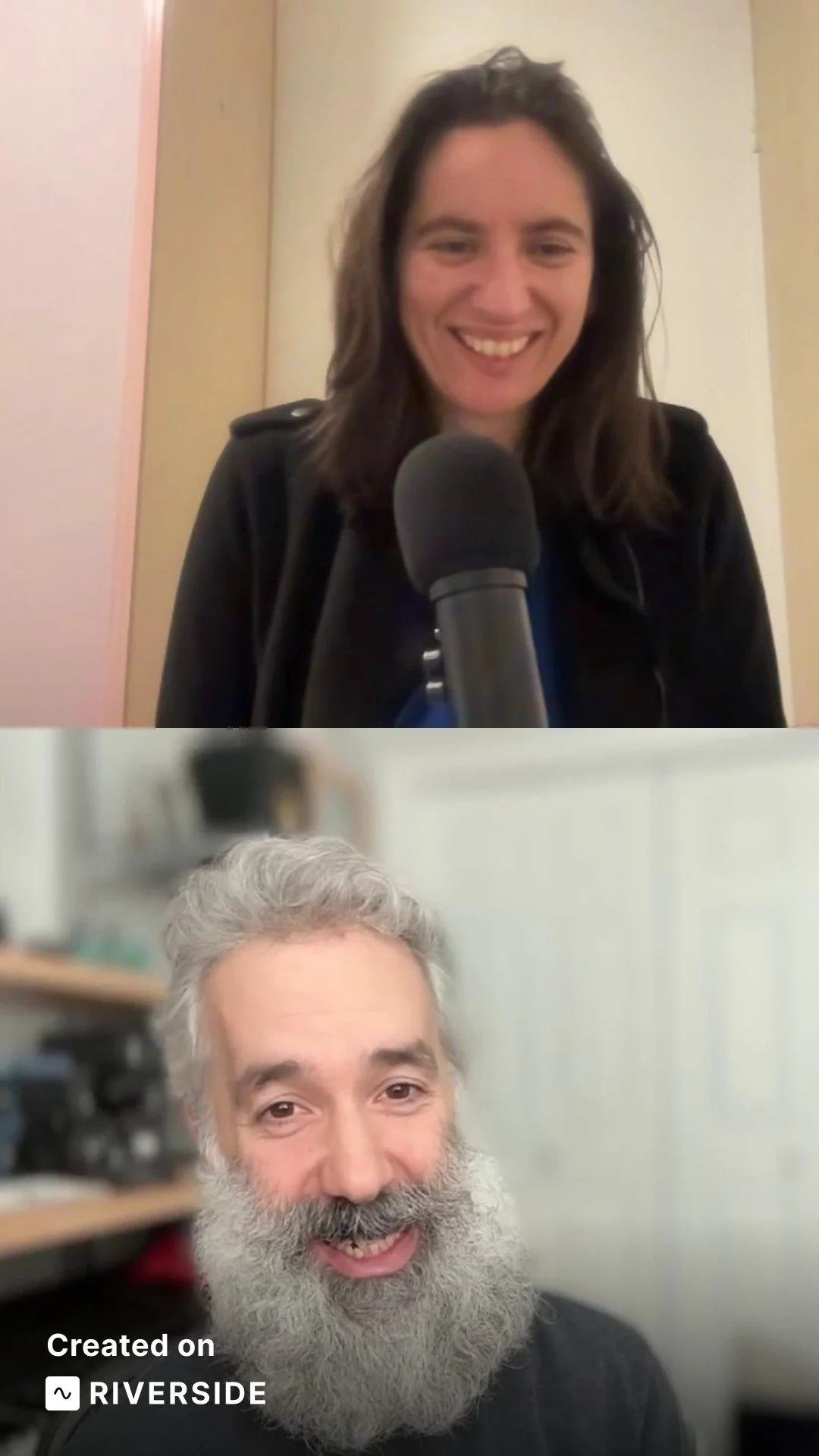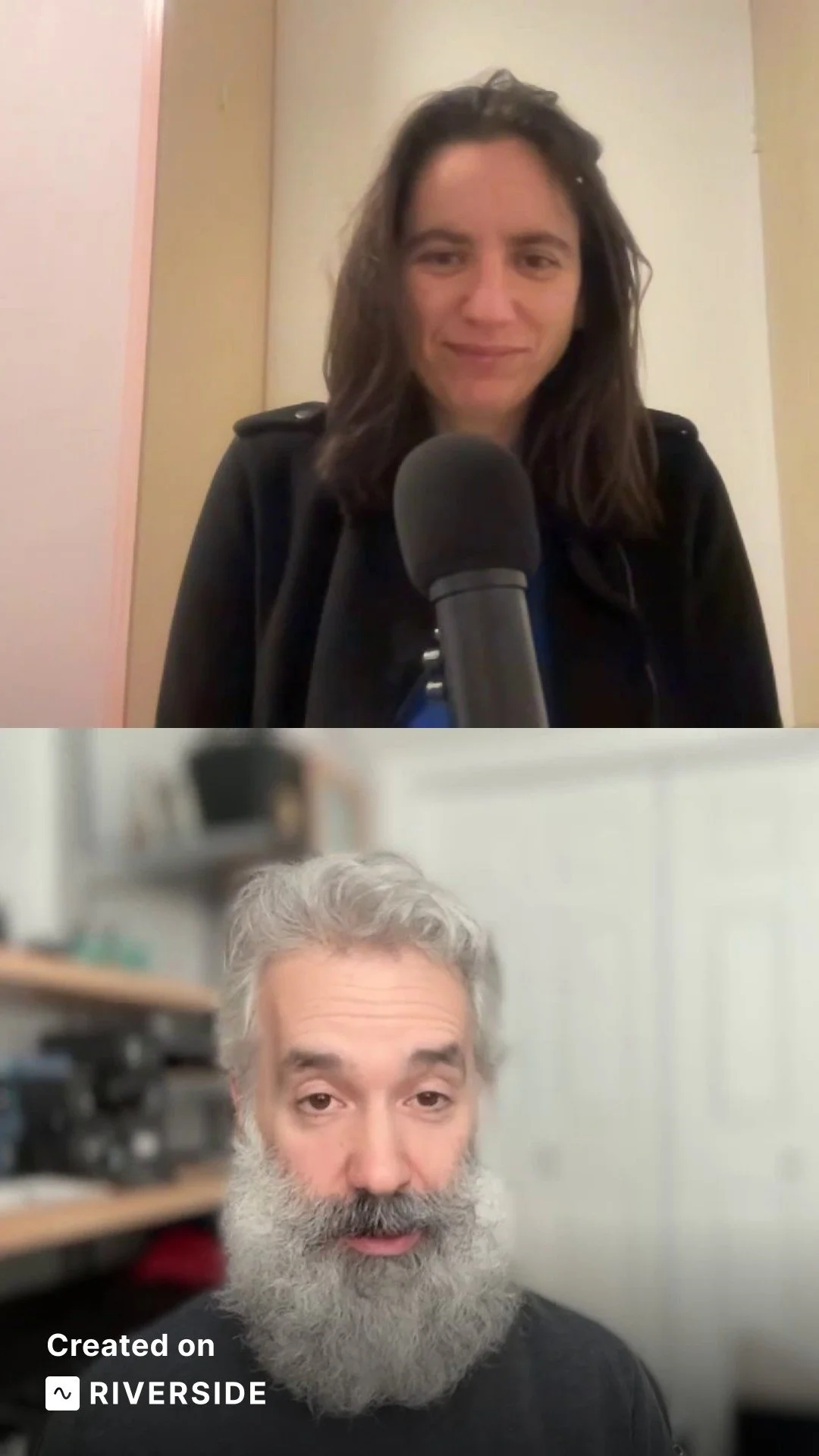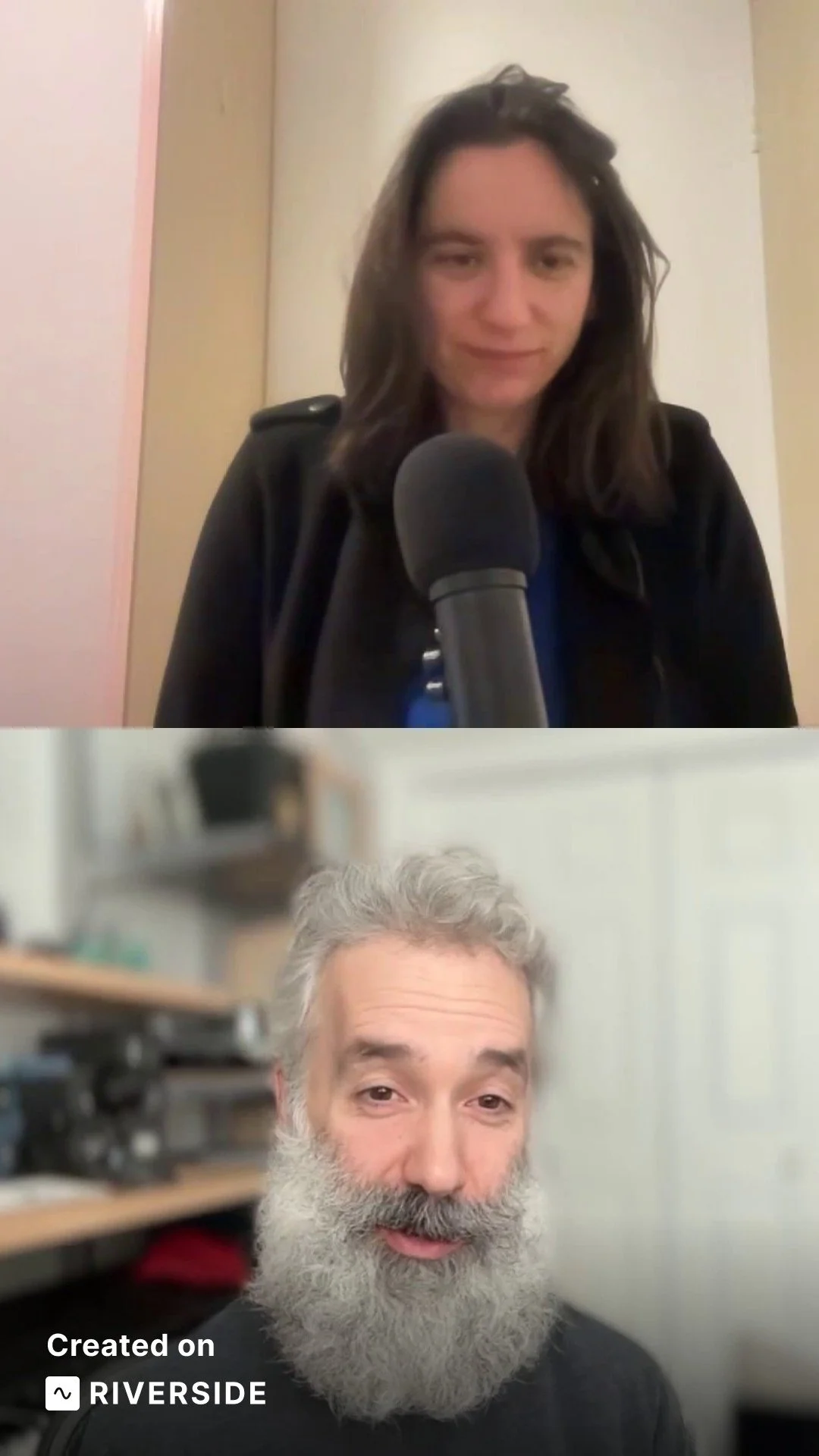
Falling in Love with the Audience — Creativity, Spiritual Formation, and Finding Your Voice with Andrew Nemr
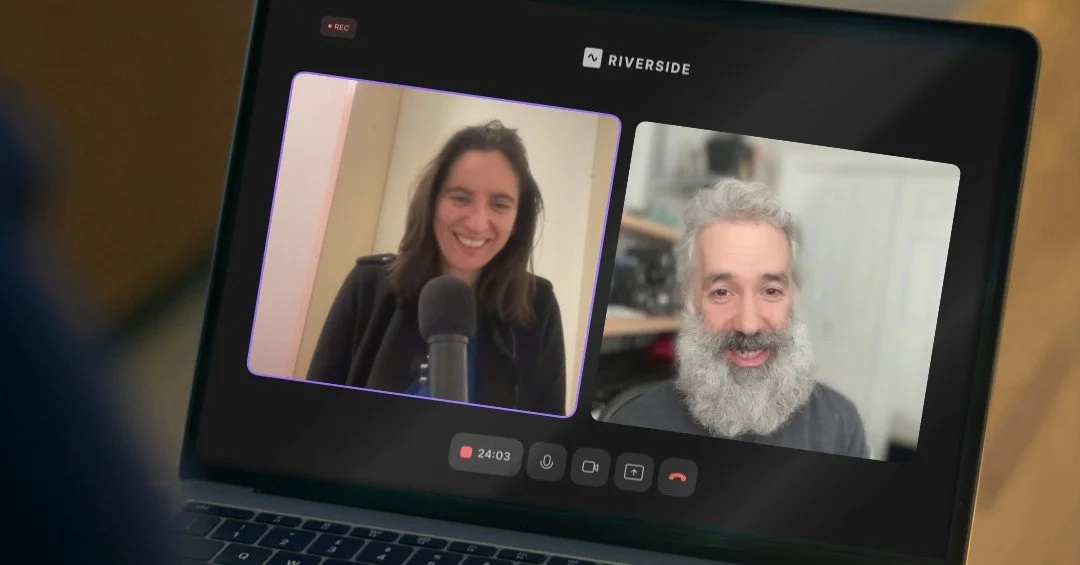
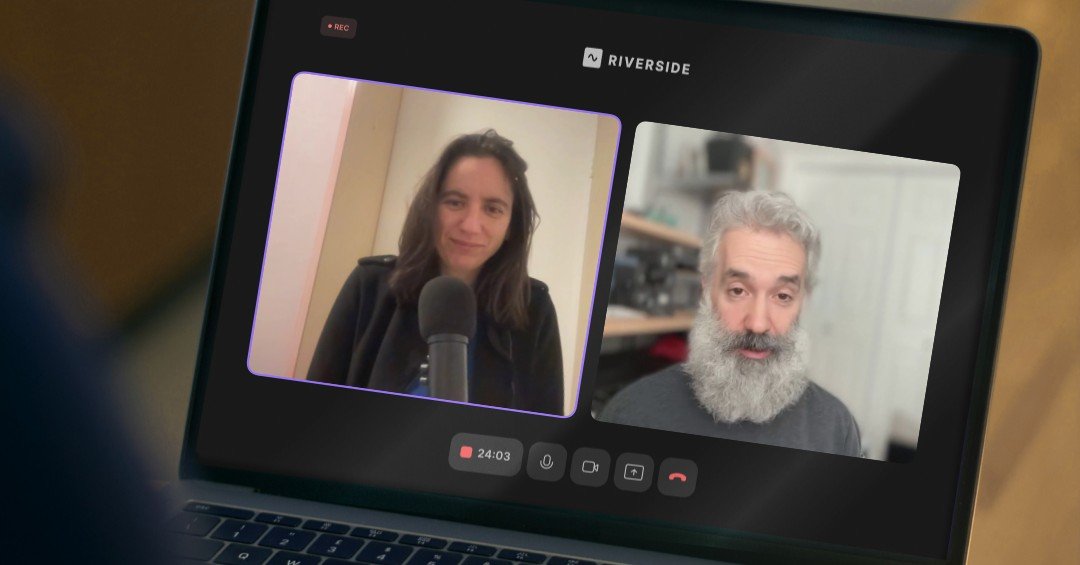
Listen to the entire episode on Spotify, Apple Podcasts, most major podcast platforms, or at this audio player on the website.
Table of Contents
Squarespace Show Notes
Squarespace SEO Title & Meta Description
YouTube Title Options (5)
YouTube Description with Chapter Markers
Instagram / Facebook Caption
LinkedIn Caption
Threads / X Caption
Libsyn Fields
1. Squarespace Show Notes
Episode [XX]: Falling in Love with the Audience — Creativity, Spiritual Formation and Finding Your Voice with Andrew Nemr
About this episode
What does a tap dancer know about becoming a whole person? As it turns out, almost everything. In this episode, Melanie sits down with Andrew Nemr — tap dance artist, storyteller, speaker and coach — for a conversation that glides from the stage to the soul and back again.
Andrew spent decades as a performer, ran his own tap dance company for ten years, and gave a TED talk while tap dancing. Then, in 2019, running an arts organisation in Vancouver, he burnt out dramatically. What followed — counselling, listening groups, and discovering the work of philosopher Dallas Willard — reshaped his understanding of what he actually does: using creativity and story to explore spiritual formation, the lifelong process of becoming someone.
Together, Andrew and Melanie unpack a framework where our relationships live inside us rather than around us, why interrupting the momentum of a draining conversation works better than confronting it, and how improvisation is really just talking about something you know deeply. Andrew shares the lesson his mentor Gregory Hines gave him — that to do this work well, you have to fall in love with the audience — and why Shakespeare, writing for three audiences at once, remains the masterclass in making work that lands for everyone.
Whether you're a speaker, performer, coach, leader or simply someone standing at the edge of a first — a first show, first podcast, first pitch — this conversation is full of grounded, generous wisdom about presence, boundaries, feedback and finding your voice.
About Andrew Nemr
Andrew Nemr is a tap dance artist, storyteller, speaker and coach. He ran his own tap dance company for a decade, was mentored by tap legends including Gregory Hines, and participated in the TED residency in New York, where he became known for giving talks while tap dancing. After experiencing severe burnout while leading an arts organisation in Vancouver in 2019, Andrew's path turned toward spiritual formation, deeply influenced by the writing of philosopher Dallas Willard. Today he coaches artists and creatives through the process of birthing new work — supporting not just the skills, but the person those projects require them to become. His work sits at the intersection of creativity, storytelling and the ongoing question of who we are becoming.
Episode breakdown(timestamps to be confirmed against final edit)
[00:00] What Andrew does: from tap dancing to TED talks to spiritual formation
[01:17] Burnout in 2019 — and the counselling and listening groups that followed
[02:00] Discovering Dallas Willard and the process of becoming someone
[03:30] The concentric circles: spirit, mind, body — and relationships as part of us
[05:54] How a community of practice leaves its marks on who we are
[07:30] Handling negative influences: interrupting the momentum of a conversation
[10:38] What performing with a live band teaches about listening
[12:16] Conversations as puzzle-piecing, not a concluded fact
[14:15] Improvisation versus planning — and choreography as slow improvisation
[17:33] Spontaneity, presence, and why live moments make us feel alive
[18:30] Gregory Hines' lesson: you have to fall in love with the audience
[20:40] The performance space as sacred — honouring an open-hearted audience
[22:06] The responsibility of taking people on an emotional journey
[23:31] Audience first: invitations, doorways, and avoiding shock value
[26:31] What Shakespeare knew about writing for three audiences at once
[29:04] Jargon, assumptions, and making your work accessible
[31:28] Simon Sinek's question: "What does that really mean?"
[37:42] Getting concrete: learning what your work does from your clients
[39:50] Coaching an artist through his first solo show — identity and formation
[43:31] Identity as a snapshot, formation as the ongoing process
[47:33] Tribes, trust, and the biology of safety (and what Simon Sinek says in Leaders Eat Last)
[52:07] Boundaries, energy, and pouring from the overflow — not the bottom of the cup
[56:34] Jimmy Slyde's advice to a twelve-year-old: dance from your heart
Key insights
Andrew reframes what we become through Dallas Willard's model: our spirit sits at the centre of concentric circles, and even our social relationships are part of our person — which is why the people around us shape our desires, and our very being.
His practical wisdom for draining relationships: rather than confronting the pattern head-on, interrupt the momentum of the conversation — and let the intentional interruption open the door to honesty.
On improvisation: it's simply talking about something you know a lot about — and choreography or a written speech is just slow improvisation you can edit.
Gregory Hines taught him that to do this work well, you have to fall in love with the audience — welcome them into your life for the evening, and say goodbye at the end of the night.
Inspired by Shakespeare writing for peasantry, nobility and aristocracy in the same play, Andrew designs multiple doorways into every talk or show — success is when the work lands well beyond your own niche.
From Simon Sinek at the TED residency, the question that still guides his writing: what does that really mean? If you can't answer it, there's work to do.
Andrew treats identity as a trailing metric — a snapshot — while formation is the real, ongoing question: am I on the right track to become the kind of person who can do these things consistently?
On sustainable visibility: he sets deliberate limits on how open and available he is online, so he's offering from the overflow of his cup rather than operating out of the bottom of it.
His closing wisdom, from tap legend Jimmy Slyde: just dance from your heart — give yourself the freedom to see what comes out of you, then iterate with feedback from trusted people.
Connect with Andrew Nemr
[PLACEHOLDER — Andrew's website/socials to be confirmed]
Join the community
Join The Motivate Collective community for more conversations, events, and resources built around growth, wellness, and conscious living: www.motivatecollective.com
Special Opportunity for the Motivate Collective audience:
10% off your entire order at HumanCharger
Support your energy, circadian rhythm, and confidence
Code to be used at checkout: THEMOTIVATECOLLECTIVE
As seen on The Motivate Collective Podcast
Get your HumanCharger light therapy headset now.
https://humancharger.com/THEMOTIVATECOLLECTIVE
Episode Transcript — Andrew Nemr on The Motivate Collective Podcast
Names corrected in this version: Jimmy Slyde, Simon Sinek, TED, Dr Angela Genoni, Sankalp (neuroscientist). Transcript otherwise as recorded.
Melanie Suzanne Wilson (00:00)
Andrew, welcome to the Motivate Collective podcast.
Andrew Nemr (00:04)
Thank you so much for having me. Good to be here.
Melanie Suzanne Wilson (00:07)
You do some great work with creativity and with storytelling. How do you explain to everybody what exactly you do?
Andrew Nemr (00:16)
The explanation I feel, has been an ongoing journey. So I started out as a tap dancer. So for many years, it was just, what do you do? I tap dance. Great. Feels simple. And then that question evolved into, well, where do you do that? And I ran a tap dance company for about 10 years, so it was there for a while. And that evolved into storytelling and public speaking while tap dancing. So you give a TED talk while tap dancing is also not normally a thing and not necessarily something that you explain. You say lead with the TED talk or lead with the tap dancing. It depends on the crowd, I guess. But I guess in short, the thing that I do the most is use the idea of creativity and stories are a mechanism there to explore the deeper idea of spiritual formation.
Melanie Suzanne Wilson (01:17)
How does that all lead you to spirituality?
Andrew Nemr (01:20)
So for me, I burnt out. That's a big part of my story. In 2019. I was running an arts organisation in Vancouver, British Columbia. And after about a year and a half, I was reaching the end of my rope and burnt out pretty dramatically. And on the other side of that, that experience was counselling and some listening groups. I come from the Christian tradition. So listening groups in that world are folks getting together and listening to God on behalf of one person in the group. I'd never done anything like that before. And I also in that time, landed on the work of Dallas Willard, who is a philosophy professor out of USC, University of Southern California, and also did a ton of writing around spiritual formation in the Christian tradition.
And that work, his writing specifically, unveiled this idea that, like, there's a process happening for every person. We normally talk about it as we're becoming someone, right? And we're always in this thing of becoming someone. And for Dallas, the thing that resonated for me is that the central part of the person and the thing that is being shaped in that journey most profoundly is our spirit, quote unquote.
You could call it like our will or the centre of our being or the seat of our desires. But that there's a lot of clarity in that and in some of the frameworks that Dallas talks about. And that landed me on this kind of like central focus where, man, if I can use all the tools that I've been given and have trained up over my years to talk about this thing, let's do that.
Melanie Suzanne Wilson (03:24)
Right.
Right, so the soul is where our desires come from.
Andrew Nemr (03:30)
Yeah, so there's a framework, right? And different traditions have different ones. And I think the one that I heard from Dallas, and none of these are like written in stone necessarily, but like any model, frameworks can be helpful to deal with things that we can't otherwise measure or see or kind of get our hands on. And so his model is to think of kind of concentric circles, right? So, these are the parts of a person. So the centre circle is our spirit or our in, like the oldest, the older languages, our heart or our will, right? They're all similar. One's circle out from, and that centre circle is the place where action originates, right? The energy that we end up seeing as action originates in that centre circle in a particular direction. So you go one circle out from that, and you have a person's mind, which includes their thoughts and their feelings. Interesting framework. And so you can imagine we have a particular action that's initiated in in our our core, and it has to get through our thoughts and our feelings first, and so we can think about whether that action we actually want to act on it or not. And then circle out from that is our body, and so that's our physical being. And so our action has to get through our thoughts and our feelings, and then it has to show up in our body; it gets manifest in our body.
And then there's a there's another circle out from that, and that is our social relationships. And so Dallas would say that our social relationships are part of our person. So they're like on the inside of our being, more than kind of external. That also was something that I was like, "That's really interesting."
Melanie Suzanne Wilson (05:42)
It is. That's getting my attention. How does that sit with you? How do you end up saying that our social relationships are within us internally?
Andrew Nemr (05:54)
Yeah, so the best example I have is as a tap dancer. As a tap dancer, I grew up with a lot of teachers and with a whole host of contemporaries, colleagues, people that I danced with. And from our interactions, I was immersed in this community of practice. And from our interactions, my dancing has marks from each one of the people that I took to and decided I wanted to be with in this journey. And so having that as like a focus practice and a thing that I did, but these social relationships left their mark on me very specifically it wasn't so big of a jump to get to a model where you know my parents and I'm an only child so I don't have like the sibling thing but my cousins or my friends or colleagues that I developed work with feel like they're more a part of me internally than something that's just external.
And so that relationships that relationship affects my person. It affects the things that I like to do, the things that I don't like to do. It affects the things that I want to pursue and the things that I don't want to pursue. And the shaping of those desires is a shaping of me, like my being. So it sat really well when I heard it.
Melanie Suzanne Wilson (07:30)
That's good. I'm wondering when you see people who have a colourful, perhaps negative influence, and you want to be compassionate, but you know that you need space from that to be more to be better within yourself, then how do you handle that?
Andrew Nemr (07:53)
That's a good question. So you're asking if one of these social relationships that I have that we're now saying are like on the inside of me is actually a negative, like a net negative influence. What do I do?
So I think, I think interrupting the habits of the relationship are probably the start. So every connection has a dynamic. This is the way that I think about it. If I go to sit with a particular friend, we're probably gonna end up talking about a certain thing or a couple of different things. The back and forth probably has a similar rhythm to the last time that we sat and talked.
If this particular friend always talks about the thing that's worst in their life, if they always point out the things that are bad in my life or in my character while we sit with each other, maybe one thing that I can do is, when I feel the conversation turn that way, I'm just gonna excuse myself and go to the bathroom.
And literally interrupt the momentum of the conversation.
Or I might just interrupt and ask about what they want to drink, or if I can get them something, if we're at a coffee shop, or, you know, there's one way to do it where you try and get them to stop what they're doing. But my experience is that's way harder than just interrupting the momentum and allowing them to realise that maybe that interruption is more intentional than not.
And once they realise that the interruption is more intentional, then they might ask you, why are you doing that? And if they're now asking you, then there's an opening for you to say, well, you know, every time that we sit, the conversation kind of goes this way. You're the one initiating it. I don't really like that. So I've just decided I'll try and interrupt it.
Melanie Suzanne Wilson (10:06)
That sounds really good. It's reminding everybody of the back and forth and the metaphorical dance of a conversation. For those of us who end up in our own heads a lot, it's easy to forget that a little bit. And of course, there is some dynamics where one person is a bit more chatty than the others. That happens as well. I'm going to assume and guess that your performance background shapes how you relate to conversations. Do you think so?
Andrew Nemr (10:38)
Yeah, I think so. I think there's, in practice, yes. I think the craft also helps. So in tap dancing, if I'm performing with a live band, say, I'm in conversation, especially if it's an improvisational context, I'm in conversation with every other player at the same time. We have a song that we're going through, so there's some structure, but I need to be listening to everybody and be open to responding or not responding as we go. So take that context into a conversation. Conversations, if they're one-on-one, there's a lot less to listen for, right? So now you have a lot of space, which can be helpful. If I'm too much in my head, I might start, you know, getting ahead of the conversation. And so I've had to learn how to slow down if there's not so much input. But yeah, I really enjoy listening. And I really enjoy listening.
Listening to underst to understand, right? To have a sense of not just what somebody is talking about, but w where are they coming from? Why is this important to them? What are they trying to work out or really say with what they're saying?
Melanie Suzanne Wilson (12:16)
So you're able to see that when people are talking through things in a conversation, sometimes they're trying to piece the puzzle together.
Andrew Nemr (12:23)
Yeah, I don't think every conversation is kind of a statement of concluded fact for a person. Right? I know it's not for me. And especially in the work that I do, so much of it is unique to an individual and a practice of kind of mutual sensing. So like, we're all just trying to figure out what's happening.
And trying to have an idea of what the best next step would be. And if you enter into that space with an inflated sense of knowledge, then you're gonna stub your toe. So yeah, I kind of hedge on the other side and I say, well, I suspect that somebody might be really concerned about something, and that's why they keep bringing this topic up, but it's unresolved in a way. And so how can I be a conversation partner to see, well, do they want it resolved? Cause if they don't and I try to resolve it, that's not going to be helpful. Right.
But if they do and I can support that, then great. I can be helpful in that way.
Melanie Suzanne Wilson (13:47)
Absolutely. That's a source of compassion for so many people because sometimes we hear about something in a conversation and we're wondering, gosh, do I need to hear about this? And then when we remember that people are trying to piece the puzzle together, that helps a lot. I want to pivot and talk about performance because this translates to that so much. Let's start off with interacting with audiences. You mentioned that you do some improvisational work. And look, as a speaker who did various forms of speaking for a long time, I prefer so much improvisation. And I have compassion knowing a lot of people want to feel more reassured when they've mapped out exactly what they are going to do, but then there's a humanity and spontaneity, but even adapting to audiences requires a bit of considering the moment that you are in. So how do you navigate that balance of improvising and planning things out and adapting to audiences?
Andrew Nemr (15:01)
Sure. That's a big question. I think. So let me start with the improvisation part first. I like to think about improvising as talking about something I know a lot about. And so it's not as scary when you know a lot about something to just say, "Hey, could you tell me, you know, give me five minutes or give me 20 minutes," because it's easier to talk longer than shorter if you're improvising. Because you're working it out, right? Give me 20 minutes on I don't know, like why you enjoy tap dancing. And I've spent 30-plus years like working out that question and experiencing that. So blah, blah, blah, blah, blah, blah, blah, blah, blah. Like that'll go out and we can improvise that talk for a long time. I also think about improvising as a conversation. So it's not just me saying a bunch of stuff. It's me saying things that may land at a question that I then have to go and answer. And that answer might lead to another question. And so I answer that one. And so there's a kind of ongoing development of that. I also look at so in the in the tap dance world, choreography would be the analogy to like writing out a speech, right? And I think about both those things, whether it's writing or choreography, as really slow improvisation that I can go back and edit and then run through again and see if I like it.
But ultimately, a set piece, I want to feel as if it was happening in the moment. And so I want to feel like it's just the natural thing that needs to happen.
So that I can be free to make adjustments for the moment and the audience that I'm with. Right.
Melanie Suzanne Wilson (17:06)
Yes, I completely agree. It needs to feel natural because do you find that an audience connects more with what someone is doing when it feels more real and authentic in the moment, and with how we are built as humans, the spontaneous moments, that's how to put it. Do you think the spontaneous moments are what make it feel a bit more real?
Andrew Nemr (17:33)
Yeah, I think those are the ones that make us remember that most of life is actually spontaneous.
Right. I think we we're we're designed in a way to be able to do things kind of rote, right? Like if we had to spontaneously be attentive to everything that happened in order for us to be able to walk or to drive, we'd expend so much energy in those activities, we'd go straight to sleep. So thankfully, we don't have to do that. Like we can train those to become habitual. But if I trip while walking, all the senses go up, and I'm now in like a spontaneous new moment, and you know, the adrenaline shoots and all the things happen, right? And that makes me feel I maybe we could say that that makes us feel alive, right? Not the danger so much as the newness of it. We were just walking. This is something that we take for granted always and forever, and now we couldn't take it for granted in that moment. And I think that's the thing that, you know, live theatre does really well. Improv comedy does really well.
And I think there's something to be said for how much of live theatre or performance things are actually set pieces but feel very alive, and how some set pieces can feel just like not, even though they're happening kind of right in front of you. And I think what you touch on is like the ability for the performer to be present in that moment makes it possible for the audience to also be present in that moment in a different way.
There's in the in the in the tap dance world like there's different approaches, right? And I had a teacher, a mentor of mine, his name was Gregory Hines, that basically said to do what we do well, you have to fall in love with the audience.
You have to like welcome them into your life for the hour and a half that they're gonna be there with you and then say goodbye to them at the end of the night.
And that's a lot. Like it's not it's not a little thing to do, but it makes a world of difference, I think.
Melanie Suzanne Wilson (20:24)
Welcoming them into your world and then say goodbye. That is very deep. And what you're saying is that it's about a real connection, a very deep connection with the audience where they are feeling what you are feeling and seeing what you are seeing.
Andrew Nemr (20:40)
Yeah, I think the performance space, whether it's a public speaker or theatre or you know, it could be a bar that has a band, that space, for lack of a better word, is sacred in so much as the audience prepares themselves for the moment that they're going to have in that space. And part of that preparation is something like, okay, I'm going to crack open my heart so that while I'm sitting here and the band is playing or the show is going or the person is talking, I am more susceptible to receive what's going on than not.
And for me, if someone's like intentionally prepared themselves to go like open up that door, that's really special and needs to and should be honoured. And you know, I do whatever I can to make sure that what we've prepared to go in there is something that would be good in kind of the best definition of that word.
Melanie Suzanne Wilson (22:06)
Guessing and trusting that you would see a sense of responsibility that we all have when we have an audience. You're talking about people opening up their hearts to share your experience together. And that's a very vulnerable place. If you are bringing audiences on an emotional journey, and when people are talking about anything, I wanted to broaden this for the listener right now, because someone could be pitching or announcing an idea in their work, and they're telling everybody we're going to go in a new direction. And people have that feeling of, ooh, new things, something unfamiliar, we're going on an emotional journey of I'm going to adjust to a new thing. Or if someone is doing a TED talk or equivalent, they are sharing their truth. I know that I need to hold space in a way on the podcast, partly with the guests, because I've had some people sharing very sometimes traumatic experiences or in any way vulnerable. And then I also know that people are listening to this. So do you find there's a great responsibility in saying, okay, we're going to bring people on an emotional journey. Where do we want them to end up? And how do we want them to experience this along the way?
Andrew Nemr (23:31)
Hundred per cent. I think, you know, there's an adage in the arts world that, like the artist's voice matters, the audience doesn't matter, you should do the thing that's in your heart and kind of get that out into the world and think about the audience last. And I'm backwards. So I think about the audience first. If there's a if there's a person sitting in front of me, what is the best thing, given the tools and the things that are bubbling up inside of me, that I can share for them? And more often than not, it lands. It and it feels like the good thing for me, like I've done a good thing, and I can't control how somebody receives something, but I can do my best to deliver it in a way that is that is kind and meaningful. You know in when you're giving a talk, or I guess what, when you're expressing anything, you can always go for shock value. You can do the thing that is, you know, surprises the audience to try and get their attention.
I try and stay away from that because I don't like being shocked. So I would not want to do that to someone just for the sake of getting their attention so that I could tell them the thing that I want to tell them. Right? I'd rather offer as many invitations, right? Soft ones, different angles, whatever it is, to have somebody say that one's interesting. Let me sit up. So, okay, now you're in. Now you're with me. And now we can go. But when you're working with, you know, audiences of more than 10, right? Whether it's a hundred, five hundred, the variety of potential invitations is really, really broad. So one of the tricks that I use, which might be interesting for somebody listening, is I will try and think of how many doorways into the whole conversation that I'm trying to have can I offer along the way?
And the person that inspired me to do this was actually Shakespeare. So learning that Shakespeare wrote plays for three different audiences that were all present in the same time.
That would have like not the same life. So you had kind of the peasantry, you had the noble people, and then you had the aristocracy. And if you go to the Globe Theatre in the same play. Right? And he and the story goes that he would have jokes that would land for one group and not the other, but not offend the other group.
Melanie Suzanne Wilson (26:31)
Did he write for all of them?
Andrew Nemr (26:44)
So he was literally writing for diff for three different audiences at the same time in the same play. And his plays worked for all three audiences.
So I'm a tap dancer. If I create a show that's only gonna land for tap dancers, that's not success for me. If it lands for tap dancers and musicians, okay, that might be better. Or tap dancers and theatre people, that might be better. If it lands for tap dancers like theatre people, and folks who like stories, sweet. Now, now we're at a place where like, the thing is working. Right? The mechanism by which to share is like hitting.
Melanie Suzanne Wilson (27:33)
Yes.
What I'm saying in that is you are aiming towards people and audience types who want to connect with a particular thing more than specific types of people because you are broadening it to people who appreciate a story. There are some who don't want to sit and hear a story.
Sadly, in this day and age, with the social media attention span, whatnot, some people want 30 seconds, and they'll get their 30-second reel from this. But for example, for those who want an hour of conversation, they can hear us having an hour of conversation. So it's not everybody, but your people are more broad than the people from one group or profession. That's what I'm hearing from that. And this translates to a lot of different types of presenting and performing because so many professionals will talk about what they are doing, perhaps explaining it to a team, explaining it to whoever, and they'll chuck in the jargon and the acronyms. And it can be as simple as does everybody is everybody familiar with what I'm saying? Can I put literally three words extra in to make sure everybody understands?
Or what else do you do with the jokes, anything else to connect to everybody?
Andrew Nemr (29:04)
Yeah, I think jargon is a huge deal, right? Especially in public speaking. And especially if you have a s a a speciality that has a lot of words that are unique to that speciality, right? One thing that I do when I'm writing is I if I if I put down a word and I go back and I'm reading and I'm like, that word has like 10 assumptions in it. Like, okay, I've got to replace that word at least with two sentences or break it out and kind of work out the assumptions that are in that word, like that word assumes that the person reading knows these three things. Let me just write it out. So that whoever's reading, if they don't know those three things, now they know they do. The frame is complete, and they can keep going without having to look the word up. Cause goodness, shorthand is helpful in groups to communicate quickly. But if you're trying to share with an audience that is not the group, then those words don't work.
Melanie Suzanne Wilson (30:18)
Absolutely. And eventually, people will be selling an idea to a decision maker, or they could be wanting more people to buy their thing, whatever it might be. And we need to be able to acknowledge, okay, some people understand these terms, other people don't. How can I simplify it? And I would be so keen to know how you explain to anyone what you do or how you bring simplification into what you do. My example is I was writing for a software service a few years ago, and to this day, I have a blurry memory of the technical terms. What I remember is they connected things together so the computers kept the street lights on. Great. That's all I remember. And that's what I do. I dumb things down because I see things in a non-technical way, and then that's what other people need as well. Not dumbed down for stupidity, but we can all access. So what sorts of things do you do to make sure that everybody can access what you're bringing?
Andrew Nemr (31:28)
Yeah. Yeah.
Yeah, so there are two things that I try and remember. I don't always remember these, but I try. One was an experience that I had, which was I was part of a program that TED ran, which was a residency in their New York office. And there was like maybe twelve, fifteen of us in the residency, and one day Simon Sinek was gonna come to the residency and talk with us. I'm like, this is the guy. This is amazing. He's gonna be here in person. He comes, he sits, he's like, "Cool, tell me about your projects." We're all there working on something. And I'm trying to be a slick and impressive, and I have a mission statement. And so I tell him the mission statement. And I have since blanked on this.
Melanie Suzanne Wilson (32:06)
The dream.
Andrew Nemr (32:31)
On what I actually said, because I remember his response. And my mission statement was something about supporting the oral tradition of tap dance with technology and dot dot dot dot dot. And he
Melanie Suzanne Wilson (32:43)
I know what he would have said, I can sense it.
Andrew Nemr (32:46)
He looked at me and said, So what does that really mean?
And I looked at him and was like, you know, I don't really know. And that's a problem. I can I can I can show you, but it's longer than like two sentences. That's like a three-hour afternoon. I can show you the whole thing. But I don't I don't know how to explain this in words. And so what does this really mean?
Is the question that I try and remember. If I'm writing and I'm trying to get something out, pause, Andrew, what does this really mean? And if it says what it means, cool. But I can't be the only tester because I'm the one writing. So I have to test it out on people.
And so I'll call up a friend or in casual conversation, I'll say, you know, I've been working on this thing, and this is what it's about. And if they go, what does that really mean? Then I've got work to do. If they go, yeah, that makes sense, then you know, the language that I'm using is hitting and it's working and the connection is right. But there's those those are the two things. It's an embarrassing question by Simon Sinek and testing things out on your friends.
Melanie Suzanne Wilson (34:05)
I like that so much.
Test things out on your friends and remember the words from Simon Sinek. What does this really mean? That is a piece of wisdom that everybody can learn. Whether someone is pitching to be on a podcast like this one or anything else, whether someone is pitching an idea anywhere. I appreciate that so much. I can tell you most people who pitch to be on the podcast are, hopefully they have a bio, it's fine, or they'll say I do this. But occasionally I'll see I empower women. Okay, great. What do you actually do? Or I'm changing lives. I'm connecting people with, you know, a higher purpose, to change the world. I there was one, look, there's a phrase I'd have to dig it up, but I shared a phrase. It was a whole string of things that meant nothing at all. And so that comes up mainly from the spiritual people. And sometimes, a lot of the time, it turns out they used to be a psychotherapist; they're a meditation teacher. They have something. But you know, I think we're told to sell the benefits of what we do. And let me know if this lands with you. I think that sometimes we're so focused on the benefits of what we do that our main tangible gets lost a little bit.
Andrew Nemr (35:44)
That lands completely. I've totally been caught there. A hundred per cent. I have, and I have friends who have told me explicitly, like, I don't do concept; you have to tell me an example, and so I lean on those friends when I'm working on something.
Melanie Suzanne Wilson (36:02)
Yes.
Andrew Nemr (36:08)
You know, especially if you're dealing with spiritual formation or a religious tradition or things that are by their nature not tangible, but you feel them as concrete, and so you want them to be shared as concrete. Because the way that we think about these things can affect our life, right? It's like if you think that your spirit is a thing, it's different than if you think that your spirit is like this enigmatic whatever, right? That will change your conception of how you try to form it. If you think that it can be formed at all. So, I mean, and what I just rambled through is probably not specific enough, right?
Melanie Suzanne Wilson (37:00)
No, it's okay.
The it's you're talking about the abstract, and that could be the spiritual, but it could also be concepts like success. Well, what does that actually mean? I want everybody to be more successful. Okay, great. Well, how are we going to get successful? We make anything abstract because even any textbook anywhere has had chunks of it that wanted us to just get abstract about something.
Andrew Nemr (37:28)
Yeah. And so I th I think the I think the practice is learning from people who you work with what working with you has done for them.
Melanie Suzanne Wilson (37:41)
Nice.
Andrew Nemr (37:42)
Right. I the hardest thing that I've done as a performer, as a coach, as anything is like try to say this is what I do.
Because at the end of the day, what I do is dependent on the people that I work with, because it's a collaborative experience. But I've asked people what working with me has done for them, and they've told me. And then I can say, this is what I've done for some of my clients. And you just list it out. And that makes it concrete. And it's not made up, it's not abstract, it's not general; it's very specific. And then that actually helps me focus. Because I can say, this is how my work landed with this client. What happens if I lean into that? What happens if I do more for clients like that and share that outcome a little bit more?
Melanie Suzanne Wilson (38:50)
So you're doing coaching. That's a great example. There's so many types of coaching. And I can tell you, I have some coaches who say, You're going to grow. Okay. What will that look like? The best coaches who pitched, and I haven't signed up yet, I will. They will say, Okay, would you like to have this specific goal? And then I have some who are saying, Where they'll just say, Do you want support?
What sort of support? What does that look like? I have no idea. But what you're saying is that you zoom in, and I'd appreciate, I'd really enjoy one of those examples from your clients. Because if anyone listening to this podcast is even thinking of becoming a coach or something similar, they can be inspired by your example of how you illustrate results in a very specific way. I think this is a form of storytelling, really.
Andrew Nemr (39:50)
Yeah, so when I when I first decided to make the transition from being a hundred per cent performer to offering coaching, I went through all the confusion. What kind of coach do you want to do? What do you call it? Where's the language? All the things. And where I landed was three three kind of areas of expertise or three pathways for coaching. One was creativity. So working with artists who are working on a project who need support in all the things that come with trying to birth an idea.
And I had a client before I got that language who asked me to come in and coach him while he was developing a solo show. It was his first solo show. He didn't want a director, and he didn't want a choreographer like someone on the technical side. He wanted someone that helped him become the kind of person that could bear dealing with birthing a solo show. Right? The new responsibilities, trying to pitch it, dealing with new collaborators, like that's all an impact on your being. And yes, they're new skills, and you can kind of work for work at it from a skills-based and kind of a task-based place, or you can work on it from a confidence language relational care, like maturing person space. And I do the latter. Right? So I got all the language on what I do for artists like that by working with this client and asking him after: could you give me like three sentences on how this was? And I think one of the sentences was something like, your work helped me know who I was as an artist more deeply, so that I could get through this work.
Melanie Suzanne Wilson (42:05)
That, that is identifying the type of work you were doing because it's more it's more than those categories that you listed. That's identity. What you said earlier as well, he became the person who and that that is fascinating me so much because you mentioned confidence and and it would be interesting to even explore for a bit how much of this is we need to believe we can be something, how much of it is we need to have the skills to do it, and how much is even trusting our capabilities to say, okay, maybe I will learn as I'm going along, that sort of thing. What you described with that person doing his first solo show.
I know that a lot of people can relate to that because we all do a first at some point. And it could be starting a podcast, it could be, it could be talking to in-person audiences after someone has been on YouTube a long time, anything like that. People start a new thing, and there is this identity shift. So how much of it is that?
And how much of it is something else?
Andrew Nemr (43:31)
Yeah, that's interesting. I look at identity as kind of a snapshot, and I look at formation as this ongoing process. So yeah, there is an identity question before you have done the thing that you're about to do for the first time, you aren't the person who's done that thing.
Right. So the identity shift afterwards might be something like Now you're the kind of person who can at least do it once. But there might be a question about whether you can do it again and how consistent you can be in doing that thing. And so for for me, the identity it's been it's been better for me to move the identity question to the side and leave that as a check-in or for other people to worry about, and deal with the formation question from a relational aspect. Am I on the right track if I want to become the kind of person who can do these things?
Am I on the right track if I want to be able to do this thing that I did once consistently?
And what kinds of interactions do I need to have on a regular basis for me to be on the right track?
Right. I'm a firm believer that we are formed like in profound ways by the interactions that we have. So if I want to build my confidence in a thing, I either need to like try it a bunch of times so I have practiced interaction with the thing, or if I'm already do the th if I'm already doing the thing and I just need the confidence that it's ready, I need to get trusted eyes on it. People who I would trust their opinion to tell me whether this thing is ready or not.
Melanie Suzanne Wilson (45:47)
Yes.
Andrew Nemr (45:48)
And I guess that would kind of be the answer. That would kind of be the answer my answer to that question is that you're right. I look at my identity as like a trailing metric to the to the question of who I'm becoming. Because once I see it as my identity, it's already there. And I'm already like potentially challenged with the next thing.
Melanie Suzanne Wilson (46:21)
I'm seeing that this is another way that surrounding ourselves with the right people will shape who we become. You are talking about getting feedback from people through your work. And also, of course, you adapt to what an audience needs, but you see that feedback as being crucial. It broadens so much on this show. I've had health people on here as well, and Dr Angela Genoni said that the gut is changing based on the people around us. And Sankalp, the neuroscientist, said that dopamine is impacted by our surroundings. And now you're saying the impact, of course. What was it? The feedback people give you will shape your performance. So literally on any level, be it the cognitive adaptation of what we are doing, all the way through to how our gut feels, being around the right people seems to be a big piece of this puzzle for where we want to end up.
Andrew Nemr (47:33)
Hundred per cent. I mean I think there's I think we're built for that. Right? We're there's there's some literature I'm probably out of my league at this point, but there's an idea about human beings effectively being tribal. Right? That we are designed to be in groups of no larger than 120 to 150. That there's a there that's kind of the max, and then there's a twenty-five to thirty as kind of like the smaller large group, and then there's a twelve, and then there's a three to five, right? How we gauge intimacy in relationships and our ability to be vulnerable and to be known and to know others at some scale. But to know and to be known is also to be able to establish trust. And to be able to establish trust, which effectively gets us out of the dopamine cycle and into kind of serotonin and some of the other mechanisms which to close the loop Simon Sinek talks about in Leaders Eat Last.
Melanie Suzanne Wilson (48:52)
What does he say?
Andrew Nemr (48:53)
So he says something like there are biological mechanisms that allow us to move out of a dopamine cycle into something that's more trustworthy and more stable, and then would allow for more the kind of productivity would not be the best word, but for the kind of activity that yes, the kind of activity that you would want in a in an in any kind of organization, for the organization to flourish and for the people within that organization to flourish. Right? So dopamine comes out of the achievement of a task.
Melanie Suzanne Wilson (49:27)
Creation.
Andrew Nemr (49:48)
Right. I'm searching for something, I got the thing. Ding ding ding. Congratulations. Right. However, that cycle can be hijacked, and it can be distorted. It also means that if you are unable to hit that task, or if you have too many tasks on the thing, you will burn yourself out trying to get the dopamine hit.
The step up and I'm trying to remember which biological mechanism it is. It's either oxytocin or serotonin. One of the two. Cause it's effectively a three-stage ramp, dopamine is the most basic. The next two move into relational trust. And either oxytocin or serotonin is, you know, popularly referred to as the love drug, where if you fall in love, that's the biological mechanism that keeps you there. That says, this is your person, this is which opens up the floodgates of trust and exchange and generosity and vulnerability and safety, effectively, for all those things to happen. So what does it look like, I guess, for an artist fall in love, establish that kind of safety with their audience, right? And then say goodbye, kind of turn it off at the end of the night. What does it look like for a leader to do that with the people that they're leading? What does it look like for one to try to do that with themselves or with the small group that they're around, so that the s the safety becomes the bedrock for the freedom to express yourself, the freedom to create, the freedom to make, the freedom to find out what would come out of you if you just let it come out?
Right.
Melanie Suzanne Wilson (52:07)
Yes,
Question there. You talk a lot about connecting with the audience, falling in love with the audience, and then switching that off to go home afterwards or to step back afterwards. I'm curious about that. Because to some extent, firstly, what came to my mind initially is that it takes a lot of energy. For me, the benefit of realising, okay, we need to detach afterwards.
It's that for me, it takes a lot of energy to connect deeply with a group. And if you're doing that a lot, say every day, every week, for a while, I was supporting community twice a week, and it took so much energy. Whatever a form that might take, maybe that's a part of it. But also, we all need to live our lives. And for you, this is it is a performance for a moment.
But then what leads from that, in my mind, after that is thanks to the internet, and maybe we need to set a boundary here: people who perform or present or lead influence, we're constantly connected with our audiences. They can reach us whenever we want.
Andrew Nemr (53:28)
Yep. Yes. Yeah, it is challenging. I think there was a time where it was easier to say, I'm here from seven PM to eight thirty at this spot, come and see me. And then if you stayed after to meet the people in the audience, like that was a bonus for everybody, and then you would go home and you would you know, I'm
Melanie Suzanne Wilson (53:53)
Yes.
Andrew Nemr (53:58)
Many times experience what we call just coming down from a show where the amount of openness starts, it just closes back in because you don't need it. You don't need to stay that open. And so your body kind of just shuts those doors and says, Okay, now I'm back to the scale of one to two and one to one, and I think that's a model I try and keep. Because I think that's more human. It's more the human scale than what is available to us now. And what's available to us now is something that's much more well, you could be open for everybody all the time if you wanted. And I don't know.
I don't know what kind of person I would become if I did that. And I don't know if I would like that person for me. So I try to boundary myself and say, Alright, I can put up a video once a week. I can go live once a week. I can, you know, put all the things down in a newsletter that goes out once a month. I can you know go on to something like threads or twitter where it's just updates once a day, twice a day but more than that I start feeling like I'm operating out of the bottom of my cup as opposed to what's extra and I'd rather what I'm offering and what I'm giving to be the extra that there's tons of stuff and it's all there and just like starting to pour out. That's what I'd like to give. And so once it's given, even when I come back home, I still have like a f a sense of fullness and fulfilment rather than a sense of draining.
Melanie Suzanne Wilson (56:05)
Absolutely. As we wind up, it would be amazing if you could share one piece of wisdom for anybody who is considering or starting to take the leap to connect with any forms of audiences, maybe in a new way or doing this for the first time, shifting format or their first format. What can people do to take the leap in their next work?
Andrew Nemr (56:34)
When I was 12 years old, I went to a tap jam, and the person who was hosting it was a very, very old tap dancer and very, very well respected. His name was Jimmy Slyde. And it was gonna be the first time that I ever improvise with a band. And so I go on the stage, and Jimmy Slyde is very, very kind. He tells the band what music to play, and he looks at me, and he says, just dance from your heart, because if you dance from your heart, you'll never be wrong.
I don't necessarily agree with the second half of that statement anymore, but I agree with the first half. And if you can give yourself the freedom to see what comes out of you, it's the easiest way to find your voice. Just start talking. Just start playing. Just start writing. And iterate from there.
Make the adjustments that you would want to see if you listen back to yourself, read back what you wrote, and you can make adjustments based on feedback that you get. Again, either from trusted people, or if you're gonna- if you're brave enough, if you've if you if you want to do it, just like put it out there and see what people say. Just know that if you go to the internet for feedback and you don't have kind of trusted counsel around you, that can be really, really hard, right? Not everybody on the entire internet has your best interests in mind. So when you're in a stage of growth, you want to be able to have some way of navigating all of that mess where you can get in the same video, you're a master wordsmith, and like this person's an idiot. Why are they even on here? You know, like those two things can happen in the same comment thread. And we're wired to pay more attention to the negative than the positive. So those comments can weigh more heavily. So I would just warn against that. But yeah, from your core, just start getting it out and see where it happens.
Melanie Suzanne Wilson (59:13)
Thank you, Andrew. Thank you so much for the insights, the wisdom, your experiences. Thank you for being on the podcast.
Andrew Nemr (59:23)
Thank you for having me. This was a true joy.
Melanie Suzanne Wilson (59:26)
I appreciate it.