
Let Go & Be: Energy, Boundaries, and Burnout Prevention with Lisa Gornall
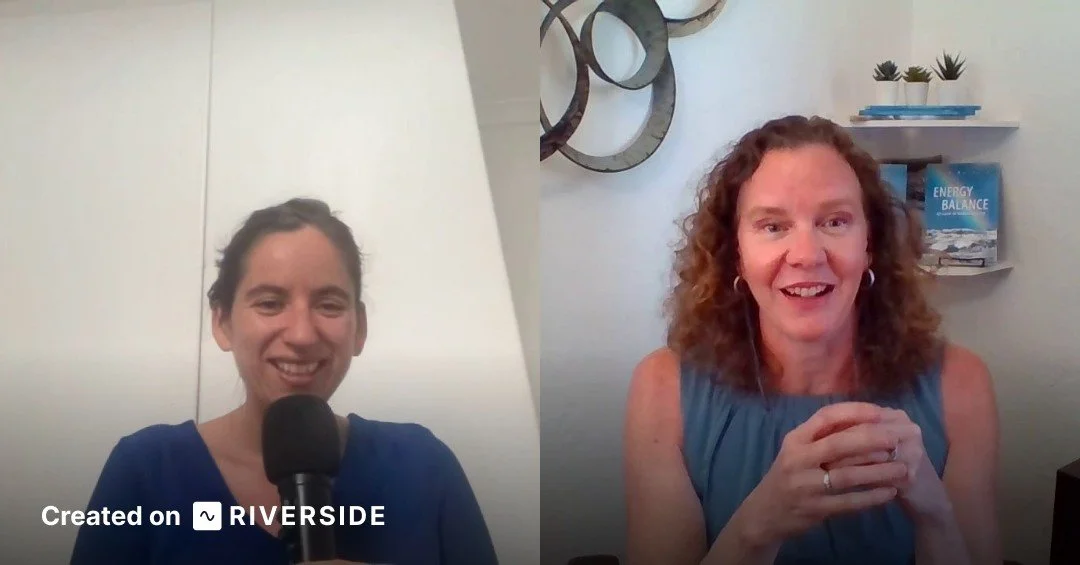
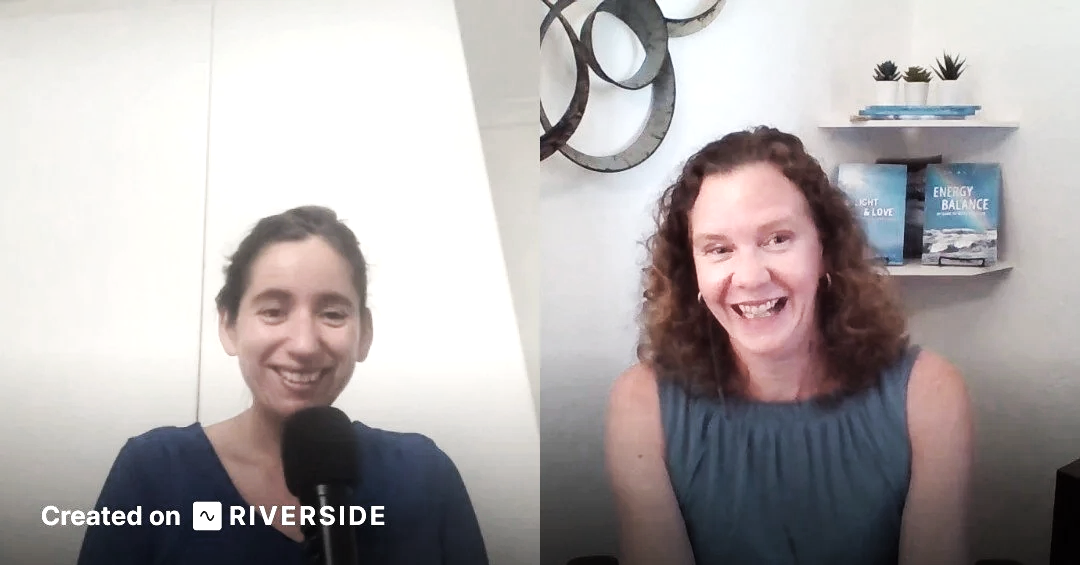
Listen to the entire episode
**Host:** Melanie **Suzanne** Wilson
**Guest:** Lisa Gornall
**Format:** Interview
**Runtime:** ~1:03:07
---
## Episode Summary
In this episode of *The Motivate Collective Podcast*, Melanie **Suzanne** Wilson sits down with medium and burnout-prevention guide Lisa Gornall to explore what it really means to feel “stuck”—and why it often has less to do with motivation and more to do with energy, unmet dreams, and unspoken emotional weight.
Lisa shares her lived experience of reading and clearing energy, her perspective on why sceptics aren’t her audience, and why many high achievers overwork as a way to “prove” their worth—often at the cost of their health, relationships, and joy. Together, Melanie **Suzanne** and Lisa unpack boundaries, divine timing, generational patterns, and the difference between being busy and being aligned.
This is a conversation about choosing a life that feels lighter—before burnout forces the lesson.
---
## Key Takeaways
* Feeling stuck is often a signal you’re disconnected from your dreams—and from what you’re here to do.
* Burnout isn’t a badge of honour; it’s your body and energy system demanding a course correction.
* Overworking, overgiving, and “being the hero” can be subconscious strategies to seek approval or feel worthy.
* Boundaries only work when they’re set *and enforced*—with time, clients, relationships, and your own habits.
* Your nervous system (and energy) needs daily “recharging” rituals—especially before you give to others.
* Joy isn’t optional; it’s a pattern-breaker. If you don’t schedule joy, work will expand to fill everything.
---
## Chapters / Timestamps
* **00:00** Lisa explains her work as a medium and how she supports burnout prevention
* **01:06** How Lisa realised her abilities were different (Reiki training + early experiences)
* **03:06** Sceptics, boundaries, and why she doesn’t “prove” her work
* **04:14** Catholic upbringing, intuition, and the difference between energy work and card reading
* **05:45** Why we store stress in the body—and how it spills out later
* **06:20** Mic glitch + going with the flow (real-life podcast moment)
* **07:09** Who seeks this work: stuckness, overwhelm, therapy not quite landing
* **08:00** Relationships, hormones, and the moment women stop tolerating misalignment
* **09:46** Dreams as a roadmap: why promotions don’t fix the emptiness
* **11:35** Purpose blocks, fear, and “past life” patterns (Lisa’s nursing story)
* **12:55** Why Lisa left nursing—and what she learned about healing + hospitals
* **15:34** Where stress commonly lives in the body (chest, stomach, hips, throat)
* **17:14** Clearing the past, “white light,” and how energy becomes physical illness
* **19:33** Divine timing and course correction
* **20:05** Fate vs free will: what’s predetermined vs what we can change
* **21:57** Groundhog Day patterns: repeat lessons as an invitation to heal
* **23:06** Mind blocks: self-sabotage, victim energy, and reclaiming power
* **25:00** Indifference in relationships + energetic recognition
* **26:57** Generational patterns, DNA, and breaking cycles
* **30:35** High achievers, approval, and why success can be driven by “proving”
* **32:12** Overworking as protection: avoiding relationships by staying busy
* **33:40** Overgiving early in business + the importance of client boundaries
* **38:33** Do we *have* to burn out to wake up? (spoiler: no)
* **40:02** The battery metaphor + Brene Brown’s “percentage left” check-in
* **44:05** Practical resets: start time, end time, lunch, and off-time
* **46:18** Joy audit: why most adults can’t name what brings them joy
* **50:23** Rescuer/hero patterns + why most people don’t want to be “fixed”
* **54:15** Why we can’t see our own limitations without objective support
* **56:08** “Freeple,” value, and why free rooms can keep you small
* **1:00:43** Melanie’s closing question: 3 practices for protecting your energy in business
* **1:02:28** Final takeaway: boundaries + “Let go and be”
---
## Topics We Covered
* Burnout prevention (energetic + practical)
* Boundaries in business and relationships
* Overworking, overgiving, and approval seeking
* Feeling stuck vs being misaligned
* Stress stored in the body and emotional “later”
* Divine timing and life course correction
* Generational patterns, DNA, and repeating cycles
* Joy, play, and rebuilding a life that feels human
---
## Quotes Worth Sharing
* “Your dreams are your personal roadmap to happiness.”
* “Busy doesn’t mean aligned.”
* “Boundaries are useless if we don’t set them and enforce them.”
* “If you’re triggered, you’ve got to do some letting go.”
* “There is no magical someday. It’s now.”
* “Let go and be.”
---
## Action Steps (Listener Challenge)
Try this for the next 7 days:
1. **Start-of-day reset (2 minutes):** Before your phone, before emails—breathe and choose a grounding intention (calm / peace / balance).
2. **One boundary upgrade:** Pick *one* line you’re going to hold this week (work end time, client time limit, no weekend work, no instant replies).
3. **Schedule joy as it matters:** Add one small thing to your calendar that makes you feel like *you* (even 20 minutes).
---
## Guest Spotlight: Lisa Gornall
Lisa Gornall is a medium who supports people who feel overwhelmed, burnt out, or stuck—helping them identify what they’re holding in their bodies and energy systems and guiding them toward release, recalibration, and forward movement. Her approach blends intuition, energetic clearing, and firm boundary-setting to help people reconnect with purpose, joy, and self-trust.
---
## Host Note (Melanie Suzanne Wilson)
This episode is a reminder that ambition without self-connection becomes depletion. If you’ve been pushing, proving, or powering through—please hear this gently: you don’t have to be wrecked to wake up. You’re allowed to build a life that feels aligned *and* sustainable.
---
## Calls to Action
**If this episode helped you:**
* Share it with someone who’s carrying too much.
* Leave a rating/review so more people find the show.
* Follow *The Motivate Collective Podcast* for weekly conversations that support your growth, your voice, and your wellbeing.
---
Transcript
Lisa Gornall (00:00)
Sounds good.
Melanie Wilson (00:02)
Lisa, you work with people to prevent burnout. How do you explain to everybody what exactly you do?
Lisa Gornall (00:12)
So I'm a medium.
So I was born with the ability to become one with people's energy. So I can literally feel what you're holding in your body, why, sometimes, how long it's been there. And then I'm intuitively able to help you let that go. I can tell if it moves somewhere else in your body, if it's not really leaving. And then we reprogram it with positive energy. So that's one of the major things that I do with everybody that I work with.
Melanie Wilson (00:39)
Okay, how did you get started with that?
Lisa Gornall (00:43)
I was blessed in that I was born with that ability. I had no idea that what I did was different. I thought everybody could read energy the way that I do. had no, I mean, we all have intuitive abilities. I just didn't realize that I was like really intense with what I can do.
Melanie Wilson (00:47)
Okay.
Okay, so how did you realise you can do this?
Lisa Gornall (01:06)
So as I got older, and I started just talking to other types of healers, like Mayan shamans, I did Reiki, became a Reiki master. And as I put myself in those areas, I would realise, like, you know, like the Mayan shaman would be like, you have this here. And I'm like, yes, and I have this, and I have this, and this is from this life and from this experience. And his eyes just got really big. And I was like, okay, now everybody can do this. And like when I got the Reiki master training,
Like I could see the attunements, whether or not they would like take place or not. And the person that was performing them can't even see that.
Melanie Wilson (01:40)
What...
What does that mean?
Lisa Gornall (01:45)
So Reiki is like an ancient Japanese hands-on healing technique. And there's three different trainings that you go through to become a Reiki master. And what the master does is they stand in front of you and they do something three times, like in certain chakras and they say certain things to open up the chakras to give you the attunement. Well, I can see when the attunements weren't taking. I can see where there was a block and why there was a block, what needed to be let go so that way they could receive the attunement in that space.
So that's just a couple of examples. And then when I was like nine, we had a paranormal investigator come to our house because we had a spirit in the house. And as soon as she like was there, she was putting her into the white light, like I could see the spirit. And I was like, like all of these times that like, you know, I had seen the spirit in the house or in my room or like messing with the cat or whatever. But because nobody had ever said to me, Hey Lisa, this is a spirit. My mind didn't know to categorise it as a spirit, or this is what this is. And even when my uncle had died, and my grandma couldn't connect with him, I was like, Uncle David's right outside. He's on the porch. All you have to do is just see him there. My mom and my grandma didn't say, Lisa, you're seeing spirits. It was just kind of like, I just saw these things, and I said things, and nobody said, this is what you're doing.
Melanie Wilson (03:06)
Okay, so you could just say things. I'm wondering, how do you deal with the sceptics?
Lisa Gornall (03:17)
Well, the sceptics aren't my people. I'm not here to try and prove it to them. I've been doing this my whole entire life. I'm 49 years old. I'm not here to prove to anybody. You either get what I do and I can help you, or you don't get it, and that's totally okay. But I'm not gonna try to like get you to see or believe me. You know, and the funny thing is like I was actually very analytical. My grandpa was an education for NASA. My grandma was a nurse. Like.
You know, like I was taught to look at things very analytically, which is why I think it took me so long to realise that I had these abilities, because like I didn't, you know, understand how to process them, because, you know, there's not books when I was growing up that explained any of this to me.
Melanie Wilson (04:00)
Okay, that's something. So you weren't growing up surrounded by alternative spiritual thoughts. You weren't growing up in an intensely religious space, I assume.
Lisa Gornall (04:14)
Well, we were very Catholic. So we were very like we went to church, we did all the things that were required of us. And my mom was open, and my dad is very intuitive. But like, it wasn't like, you know, my mom would like take my sisters and I into the bedroom and like she would pull out like cards and she would, you know, you had to say if it was red or black, where the card was, why couldn't do that? There's no energy on that for me to read. Like, I don't read inanimate objects. If you lose something and you call me, like, I don't know where it's at. That's not my gift, right? That's not how I work. Like, I have to read the energy. So my sister's kind of burned out on like that kind of stuff at a young age, but there was, there wasn't a lot of alternative things happening besides my mom bringing in that paranormal investigator to clear the house. There wasn't a lot, you know, happening.
Melanie Wilson (05:08)
Right, right. So there's a big difference between what you do and how people read cards. And there are trends for that now. There are Tarot, there are other cards. So this is totally different. With what you do, is it a bit more intuitive? Are you going with a feeling?
Lisa Gornall (05:16)
Mm-hmm. Mm-hmm.
Mm-hmm.
I just know. So I'm just becoming one with the energy, and I feel it in my body as if it's mine. So wherever people have their blocks, like I can feel it. I'm not going to go through your blocks with you on your podcast, and we're not going to do that for you. like, but I can, like that's like, that's what I do. And that's what I do in my calls because what happens is, is we store things in our body to deal with later. When's later? Right?
Melanie Wilson (05:45)
Okay, so are you feeling it?
Lisa Gornall (06:00)
We don't know when that later moment is going to be. So it's really important that we start to recognize like, I'm stressed, I'm overwhelmed, I'm mad, this person hurt me, right? And we just keep storing all this energy and we don't deal with it. And then what happens is that we implode as some poor, innocent bystander. And then we have to fix it.
Melanie Wilson (06:20)
I want to apologize, it flipped to my phone microphone just when I was...
Lisa Gornall (06:29)
⁓
Melanie Wilson (06:36)
I... what? I swear to you this has never happened. One second. Okay, there it goes. It's back to the right microphone. I was just making sure it doesn't have the echo. I'll edit this part out, don't worry, but I was making sure it doesn't have the echo, and then it switched.
Lisa Gornall (06:39)
you
That's okay. I just try to keep going in case it could still get me, and I was like, whenever you were doing was okay.
Melanie Wilson (06:53)
No, it's cool.
Yeah, yeah. We'll just use your stuff. No, that's going with the flow so much. So I'm wondering in what situations do people need to seek someone like you for help?
Lisa Gornall (07:09)
Thanks. Yeah. People usually come to me when they feel stuck. They're not happy with their life. There's something big going on and they don't know how to move forward. And they've usually tried therapy. Most of my clients come to me and they've had some experience with therapy and it didn't quite get, I also have a lot of people that have worked with a lot of different types of healers that can do pieces or parts of what I do, but they couldn't do all of it. And so people have done some type of self work before they come to me. If they haven't, it's very difficult, and I'm probably not the person to start with because they're like, I don't know how I feel. You need to at least know how you feel when you come to work with me. Yeah, it happens.
Melanie Wilson (07:52)
They need a starting point. And I'm guessing there would be some cases where people are in extreme situations, and they need more help than getting unstuck.
Lisa Gornall (07:54)
Mm-hmm.
Yeah, I mean, it just depends. Like a lot of people feel overwhelmed or burnt out. A lot of women come to me when they're not happy in their relationships anymore, because a lot of times women settle into relationships, you know, at a young age, or there's nobody else around, or they've been with their partner for so much time, and they're like, we just have to get married. And then, you know, as we get older, as we hit those hormone changes, and we don't have the patience for all that anymore.
A lot of women come to me, and you're not going to see this on my website anywhere because the husbands would not approve, right? But to leave their relationships when they no longer were.
Melanie Wilson (08:41)
It's interesting, and I need to be careful about what I say with that sort of thing, but do you find that sometimes people have a gut instinct or a feeling?
Lisa Gornall (08:51)
That's it.
Melanie Wilson (08:55)
And you can't fully articulate it, but sometimes you just know something.
Lisa Gornall (09:02)
Mm-hmm.
Yeah, that's my life.
Melanie Wilson (09:07)
For those listening, we're sitting and just nodding for a while. Nodding. I love it when I have a guest who's just on the wavelength. Totally. Just nodding. So, okay. So that happens quite a bit. um, and, and so the stuck feeling, is there any difference between people thinking they are stuck and really being stuck?
Lisa Gornall (09:23)
Mm-hmm.
Melanie Wilson (09:37)
Or if we think we're stuck, is that simply what's going on? Is there sometimes more to it?
Lisa Gornall (09:46)
Usually, if we're feeling stuck, it's because we're not doing what we're supposed to be doing, and most people are disconnected from their dreams, right? Your dreams are your personal roadmap to happiness, and how many of you out there have your dreams sitting back there on a back burner of some day? Like you're not taking any steps. You're not doing anything, and you're like, you know, I'll get to it eventually. When we're not doing what we're here to do, we feel stuck.
We get angry, and we throw ourselves into work, thinking like, well, I'm working, I'm busy with work. But then it doesn't matter, like how many promotions you get or raises or whatever, because it's not enough. We are here to follow our dreams.
Melanie Wilson (10:29)
Yes. Doing something doesn't mean you're doing your calling. And the way I translate that sort of thing is I wanted to differentiate the great dreams that we can have, where, for example, I grew up hearing that some dreams are far-fetched, and there was a time in history when, f you remember the Idol shows were coming out and so it was one person in an entire nation who was winning the dream. So it was a scarcity thing that happens. But I think what you're describing is what some people call alignment now, or it's that to translate it into the thought that, or the framework that I grew up with, it's that we're all built a particular way.
Lisa Gornall (11:03)
Mm-hmm. Mm-hmm.
Melanie Wilson (11:25)
And in a way that can serve a purpose. So do you see people sometimes simply not serving their purpose? Like maybe they have a skill or a strength in a particular thing, or they could do great work and great contributions with a particular group, a particular place, and they're literally not going there.
Lisa Gornall (11:35)
Mm-hmm.
That happens all the time because sometimes people, you we grew up in our parents' family, those closest to us tell us that's not an option, you can't do that. Sometimes we're afraid of doing it. Sometimes we're guided by past lives. The reason I went to nursing school was because I was being guided by a past life. In sixth grade, when they're like, what do you want to do when you grow up? I wrote a whole paper about being a nurse. I saw myself at this red cross truck. I saw my husband was over in Europe somewhere, fighting the war.
I wanted to find him. I left our kids behind, and I went there. I was 12. I'm not married. I don't know this person. And yet that was guiding my future. And so many times, we're guided by past life experiences. Whether we're open to it or not, it doesn't matter. We have irrational fears. have, you know, we meet certain people? We're like, absolutely not. Right. There's all this past life stuff that's guiding us that we're not even aware about, but past lives also guide our dreams or our failure to follow them because we have fears.
Melanie Wilson (12:55)
Did you end up working as a nurse as well?
Lisa Gornall (12:57)
No, I did not. I had two classes left to graduate, and I changed my major, and my gosh, my grandfather that worked for NASA, was livid. He's like, being a nurse is good enough for your grandmother, it's not good enough for you. But I was sitting, sitting on my patient's bed, which is not allowed. I was on the cardiac unit, and I was giving him 20 pills, and he had a tendency to hide the pills. And so I had to, like, really make sure he was taking all of his medications.
And I just felt like in his chest, there was something going on with the family and we needed to address it. And so I asked him how things were going with his family. And he said that he was estranged from his daughter. And so we kind of talked about that. And I was like, well, you're the dad. You've started this pathway with them. They followed your lead. Like, you can go back and you can fix this. And he took all of his pills, and he was so happy, and he was smiling. And I hated every single day that I went to clinical, but I'm so glad that I went because I have that knowledge and a lot of my clients have injuries and they get sick or whatever. So I'm able to read that as well. I'm definitely not a medical medium. I wouldn't claim to be that in any way, but I have an understanding when those things happen. And last year, my dad had a double bypass surgery, and he almost died twice. And being in the hospital for 20 days with all the nurses doing the energy work that I do, I was so grateful that I had the knowledge.
Melanie Wilson (14:14)
Yes
Lisa Gornall (14:22)
And I could not believe that the medical system was not doing any energy work at all because that's what really helped my father. He was in a coma for eight days.
Melanie Wilson (14:31)
That's a lot. I have so much sympathy for that. And I must admit, I'm still wrapping my head around the energy part. I've been hearing perspectives that are scientific, all of that. But part of what you said is the relational side, that if someone is perhaps near the end of life or in a situation, whatever it might be, part of it could be they have a physical issue that needs a pile of pills. Sorry, my eyes popped when you said 20 pills. I don't know how normal that is to take that many, but.
Lisa Gornall (15:04)
Depends on how many conditions you've got.
Melanie Wilson (15:14)
Fair enough, but aside from the physical conditions, people can have these underlying issues, like relational concerns and other things. And we all know that stress and feelings and so on can affect us physically, right?
Lisa Gornall (15:34)
Mm-hmm. Well, they manifest, right? Like I was saying earlier, we store that stuff in our body in specific areas to deal with later. Common places that people store their stresses in their chest, they feel like there's a weight pressing on them in their stomach, right? Like their stomach feels tight, maybe their hips feel like they can't move, or they feel like they can't speak. Those are the four common places people store energy, and they just keep putting it there until they explode over something that had nothing to do with something just to release some of that stress, some of that pressure, right? And then we got to make amends and fix things. But we only release a little bit. Like we are not taught to let go.
We're taught to deal with it later. You're busy. Focus on the task at hand. You can deal with it later. It's kind of like the dreams, right? The dreams are on the back burner, and all the stress and the worry and all that stuff that we carry. We just keep carrying it. We are not taught to clear it and let it go. And it manifests in other things.
Melanie Wilson (16:33)
Absolutely. And the dreams you talked about, people basically, well, being in situations that could lead to them either continuing their lives or not. And it really reminds us that if we have something in life that we need to do, if we have something that is our calling or our purpose or a problem to solve, then you don't know what's going to happen tomorrow and, and it might make more sense to address things or attempt things today. Do you think so?
Lisa Gornall (17:14)
I agree with that completely. Anytime that we're carrying and holding on to anything from the past, it keeps us stuck. It's like a weight. There's this image I like to share on social media where there's this blue butterfly with a string, and it's carrying like this rock. Imagine that. But that's what we do to ourselves all day long. Somebody said something, and we're hurt. Somebody does something, and we're hurt. We're mad about something that happened to us in our childhood. We're mad at stuff that we carried in from past lives.
What are we doing to clear that energy? And it taints us. know, like one of the things I like to teach people to do is to bring in white light, which is God, love, universe, source, whatever you want to call it. Right. And you've heard that we're born into the light. We cross over into the light. Like we are the light. But as we put all this negativity and stress and worries in our body, it blocks that light from channelling. It's kind of like a river getting clogged up with debris. Right.
This is energy, and it turns into matter, physical illness, physical disease, what have you. So you want to clear your energy out so that way you're in a good space, and you're not easily triggered. You feel better, and you attract in more abundance.
Melanie Wilson (18:29)
Over here, I have seen a slight trend. I don't know statistically how common this is, but I would wonder how many elderly people pass away almost precisely after they turn 100 or after a particular birthday. So the difference in Australia, maybe some other countries do it as well. Clearly not in America, but when someone turns a hundred, they can get a letter from what was the queen. Maybe the king does it. I don't know. They have their own stuff going on right now, but that was the tradition for a long time. If people were that way inclined, and it's amazing, realising that some people really did somehow just keep going and then pass away after that. And sometimes.
Lisa Gornall (19:19)
Mm-hmm. Mm-hmm.
Melanie Wilson (19:24)
Also, things just line up neatly in our circumstances, where something pops up at a moment that it just feels too good to be coincidental. I'm wondering, have you seen timing just looking a little bit divine sometimes?
Lisa Gornall (19:33)
Mm-hmm.
Timing is always divine. Even if we don't think it's divine, right? Like, even if we think something happens that's bad, that is happening to course correct us to get us back on our best path. Divine timing is happening all the time. It's just, are you aware of it or are you not?
Melanie Wilson (20:00)
Right, it's always divine timing.
Lisa Gornall (20:03)
It's always happening.
Melanie Wilson (20:05)
I love these sorts of questions. I'm so keen to ask. I mean, everybody will have a different take on this, but how do you balance the, what do you call it? Predetermined fate and steering our own destinies.
Lisa Gornall (20:23)
I like to describe it as you have your pathway, right? Like you come into this life and you say, these are the things that I want to do. These are the things that are going to happen. These are the challenges I'm going to take on. Right. And then you hit that challenge, and you're like, actually, I changed my mind. Never mind. I don't want to do that anymore. I'm to go over here. But you keep getting pulled back to whatever that thing is because there are certain things that you are supposed to do. And then the things that aren't set in stone.
You know, maybe you said, well, maybe I'll aim for this, but if I don't do it, it's okay, because then I can go this way. Right? So it's very fluid. Like, there are some things that are going to happen that you don't have control over, but you have control at all times over how you think, how you feel, your energy, your environment, what you're eating. There's so many other things that we do have control over. So when we're having experiences, we can decide, is this a good experience or is this a bad experience?
And how we decide to think about whatever's happening greatly impacts how easy or how hard it is to get through the thing. And if something keeps happening on repeat, like you're the common denominator, it doesn't matter where you go, but this thing keeps happening. You have some inner work to do. Like that is your red flag. That is your sign. Like, Hey, pay attention here. You're not getting this. If you keep doing the same thing, you have something to heal, and so that's how you can know that that's one of those predetermined things.
Melanie Wilson (21:57)
Sometimes the world is telling us something by giving us the same lesson until it's Groundhog Day, right?
Lisa Gornall (22:03)
Right? It is. It really is. And so if you're just like, why me? You're a victim. You've handed over your power. It's going to be a really hard struggle. Right? So you always want to be like, okay, this is happening. How do I move forward through this? Is there anything that I need to let go of? Is there anything that I need to do in a new way or differently? Is there somebody that I should talk to about this so I can have a different perspective? Because we get so stuck in our heads and we build things up and we make them really, really hard. And then it just all adds to that momentum of like, I can't move forward, I'm stuck, and I can't get past this. But we can.
Melanie Wilson (22:44)
We can.
Lisa Gornall (22:45)
We can.
Melanie Wilson (22:47)
We can. Yes, we have to just get ourselves unstuck. We really do. I was going to say that if you did want to talk about my blocks as an example, then you'd be welcome to, but I don't know what that would involve. Or if you wanted to talk about your own blocks. Okay.
Lisa Gornall (23:06)
Yeah, yeah, we can talk about mind blocks. I do a lot of training on mind blocks. So there's a lot of different things that, you know, we do to ourselves to hold us back from what it is that we say that we want, right? One of those things is self-sabotage, right? And self-sabotage is always something that we do to ourselves. You can ask for abundance all day, every day. You can have the gratitude journals. You can do all the things, but if you have decided that you can't have whatever it is that you say you want to have, you're self-sabotaging, you won't have it. Like I always do this block in front of my chest, like you're blocking yourself from having it. The other thing is the victim. And I always do a V, and I go down into the ground. Victim is when we believe other people are doing stuff to us, right? It's like you're pointing a finger, but you've got three fingers coming back at yourself, right? We're not victims. If we are like this, let's say, like if somebody is raped or somebody takes advantage of them or something like that, when you go into that victim’s place, we hand over even more power, right? Because then we go into this deep fear of this could happen again, I lost my power, I lost control, what have you. So whenever something happens like that, we wanna make sure that energetically we are doing the inner work, healing, forgiving.
Clearing and not continuing to carry that energy because the moment that we think we've lost our power it impacts every single thing in your life. It's very hard to get out of right They'll be like pull yourself up by the bootstraps like that's an American saying, pull your pull yourself up by your bootstraps, right? When you're in victim, it's so dark, and it's so hard, and people start isolating from you. It becomes like this whole thing, so we don't want to go in that space and then…
Melanie Wilson (24:57)
Is that because people can sense it?
Lisa Gornall (25:00)
We can, we read energy. Even if you don't understand that you read energy, we're all reading energy. You know when you meet somebody if you like them or if you don't, or if you're indifferent, right? The worst relationships are when you meet somebody, and you're indifferent. Because those, as you get older, like especially, you know, marriages and stuff, those ones are just like, the grass is greener somewhere else, the grass is green over there, like I'm indifferent, right?
The indifferent people they're not going to be your best friends. They're not going to be the people you want to hang out with all the time. And you definitely don't want to marry them. The people that you meet, and you're like, I don't like you, you probably have some past life stuff with them that needs to be healed. We can recognise the energy in different forms in different lives. And then if you meet somebody and you love them, then you have some connection with them that you're bringing forward. We are like, hey, we're finding each other again. Hey, we're connected. Like, hey, let's create a relationship. And those work together really well.
Melanie Wilson (26:00)
Have a juicy, weird question. Not juicy, but a bit of a controversial question.
So if someone is, for example, hypothetically, every so often having a feeling of wanting to just get away or flee, and they know that past generations had a mentality of blend in and essentially hide yourself in plain sight, and you'll be safe if you do that. Have you seen people having some sort of mentality of either blending in in plain sight or just running away, not literally running away, but just avoiding things in some way, that sort of thing, various forms of avoiding. Have you seen that in some sort of generational way in the past?
Lisa Gornall (26:57)
absolutely. And I've seen people who are adopted meet their biological family members or, you know, a couple of them or whatever. And the patterns are astounding. So even though they're raised in a different environment with totally different people, they have a few of their things, but they're not as strong as the genetic patterns that come through our DNA.
Melanie Wilson (27:20)
Yes, I was thinking that earlier that, you know, we talk about these generational things and it can sound very woo-woo, but part of it is DNA and some schools of thought these days have said that traumas, experiences, what not, somehow influence our DNA and they seep through to the next generations. Have you seen ways that people can break the pattern? Is it about these blocks or is
Lisa Gornall (27:21)
There's a lot happening.
Mm-hmm.
Okay.
Melanie Wilson (27:50)
There are more to it.
Lisa Gornall (27:50)
It is.
It is. Well, they call them like generational family healers, right? So like I can tell you about like, you know, a lot of the relationship stuff that I healed in my family. Like when I look at my grandmothers on both sides and the relationships that they had, they weren't, you know, they weren't amazing relationships. There's a little bit of abuse in there, right? And then
you know, watching my parents and, and, know, just seeing all those different levels. When I first started dating, I started dating those similar types of men and I would see it and I'd be like, Nope, Nope, Nope. Right. And then I didn't do a lot of healing work with my dad until after my girls were born and my girls are 21 months apart. So when they were born, I did all this work and I came back to my dad and I was like, Oh my gosh, dad, I'm so sorry for blah, blah, blah, you know, whatever. And then when my girl started dating,
They were dating these types of men too. And I was like, but I didn't marry that. How is this happening? Like, this is not what you see in your family. How are you dating men that can be emotionally manipulative or abusive to you? Because I did the work after they
So it got passed down to them. So I'm always like, no, I'm like, who are you dating? What's happening? I see this. No, right? So it's probably not super fun for me to be your mom, but my clients love it. Cause I'm like, no, no, no. But absolutely we have these patterns that we just, we, we, we not only are we repeating what we see, but there's something energetically going on that we just keep carrying through the line until it keeps getting healed.
Melanie Wilson (29:14)
You
Lisa Gornall (29:33)
and then it shifts things for the next generation.
Melanie Wilson (29:37)
It's so fascinating when we can see that people, be it ourselves or anyone else, people can truly end up with daddy issues or mommy issues.
Lisa Gornall (29:48)
A lot of people have them. Most people, I would say, have them, to be honest. You know, because we're seeking approval. We want that love that we didn't get from them. And then we keep dating people who have those things, trying to prove it to them, because it's going to be different. But is this a person?
Melanie Wilson (29:53)
Most.
Okay, that's
leading on a path because you're talking about approval and this show aims to help people who are trying to look after themselves as they do great work. And frankly, how many people either get into workaholic habits or extra aspirational. And I wonder what percentage of entrepreneurs of high achievers
Lisa Gornall (30:25)
Mm-hmm.
Melanie Wilson (30:35)
have some sort of family issue, be it conformity, trauma, something. I just feel like it's no...
Lisa Gornall (30:44)
I haven't met somebody who hasn't. And I've
been doing this work since 2002. I have not worked with somebody who has not had something that they're trying to prove. That's what drives them. That's why they're so successful. Because they're proving it in an area where they can see the checks. Like, okay, I hit these metrics, I'm gonna get this position. I hit these metrics, I'm gonna get this raise. Like, I'm climbing the ladder to get this approval, but they're only doing it in work.
And then, and then, and then they don't have the energy to put into the relationships because all their energy is being spent at work. Right? It's this vicious cycle. It's a vicious cycle.
Melanie Wilson (31:15)
my gosh.
That's why we do it, it's not-
And it's not only to tick the boxes in the actual work. have you seen some people subconsciously at least delving into or pouring themselves into work so much that of course they're not going to have the energy or the time frankly to then. Pursue anything else. I mean, it's almost the stereotype, but maybe that is what we're doing. Sometimes we are.
deliberately or not consciously withdrawing ourselves from relational possibilities by just absorbing ourselves into work.
Lisa Gornall (32:12)
Mm-hmm. And then it keeps us safe in the relationships too, because even if we're in one and it's not working or we're not happy in it or whatever, you don't have the bandwidth to deal with it because we're so immersed in our work. And if work's not enough, then we're over giving to the community or we're over giving to like whatever. It's like we just are on autopilot to just auto over whatever.
I'm always writing articles and videos out over giving over working over caring over whatever because
Melanie Wilson (32:46)
Did you
see my bio? This is just spooky.
Lisa Gornall (32:50)
Well,
I did, but that was last week. But this is what I do. And what I help people do is I help them get to the root of why they're over giving. Why are you overworking? What are you trying to prove? Because here's the crazy thing. We can't prove something to anybody else. When we come to people like trying to prove something, it gives off an icky vibe and they're like, ⁓ I don't want to be there.
Right? The moment we start trying to prove something, we've lost it. When I was, you know, first starting my business and I was trying to prove I had my intuitive abilities, people took advantage of that. Cause it's, it's like, yeah, because they're like, you're trying to prove something. Let me get from you when I can. Versus when you stand in your power.
Melanie Wilson (33:30)
Really?
What did people...
What did they try to get? What happened?
Lisa Gornall (33:40)
When they were just trying to like ask me
questions outside of session time or like just trying to get more like back in the day when I first started, I had like free 30 minute session or whatever. They would just try to keep pushing and like, I just had to create boundaries around all of that just be like, this is what I'm giving and no more. Because the moment you start trying to be like, Oh, let me help you. Like one time I had a kid who had an alien, I don't even know, like white light, white light, white light aliens. Okay. And I spent like
an extra hour on the phone with this kid back in the day because he was so in the trenches. Like there was so much clearing and like so much stuff and it was insane. And I didn't get paid a penny for it. Cause I was just trying to prove that I can see it and help. like, you know, I had, you know, all the counter to what he was doing, like everything he said, I was like, no, this is the truth. And you're like, I'm like, I hear you energetically, this is the truth, right?
Melanie Wilson (34:26)
⁓
Lisa Gornall (34:36)
And he got to a good place and he was really grateful. Even at the end, he's like, do you want me to pay you? And I'm like, I don't even know what to do at this point. Like, let's just go. think we're done. Right. But when I first started working, I think too, because of like the analytical background that I came from, and I think also just, you know, me proving my worth through overworking and all the different jobs that I've had as well. You know, it just was something that just came about that I was trying to heal.
Melanie Wilson (35:04)
So did you have an overworking tendency? said that you were proving something. It sounds like you were helping someone even more to prove something.
Lisa Gornall (35:10)
Yes.
Mm-hmm. Mm-hmm.
Yeah, that I was good at my work, right? That I could do this, that this was what I was here for, right? Like just going over and beyond and above. And a lot of people do that by, you know, working extra hours every day, working on the weekends, you know, buying people presents or like, you know, going above and beyond relationships, just trying to make up for it in all these ways because like they're not present. Like there's all this
over giving and over doing that we're doing in society and that's not what we're here for.
Melanie Wilson (35:54)
my goodness. The relational version of that, think people can relate to this as well. And that's showing me that we do all need to set standards for ourselves. think the vague, yes, boundaries. I didn't even understand that word for so long, but I think I can vaguely tell you, and it wouldn't really say a lot, that
Lisa Gornall (36:09)
and boundaries. ⁓
Mm-hmm.
Melanie Wilson (36:23)
At least once in my adulthood, probably more, there would be someone who says, are you free? Are you around right now? Instantly. And I seriously just get up and go right away. I drop a hat and, and I think.
Lisa Gornall (36:36)
Mm-hmm, mm-hmm, mm-hmm. Yeah. You gotta ask yourself,
what is the cost to me? What is the cost? Women are known for overgiving and overdoing. There are men that do it too, but predominantly women have been taught to put their needs last, to make sure everybody else is taken care of. You're falling apart, it's okay. You're sick.
and you feel like you're dying, get all these things done. Like, you know what I mean? It's a whole different perspective on the genders, but there are men, it's just, there's a lot more women.
Melanie Wilson (37:18)
Let's explore that for a second because I, I feel like I don't relate to the cultural norm because I can't wrap my head around this weird mentality where we are meant to have the version of a woman's hero's journey where we became completely wrecked and then rescued ourselves. But look, I appreciate the people who created great success amid
their burnout and exhaustion. I appreciate that. My version of it is at one point in life, I was rushing around for things that weren't going to create abundance. I slipped and got what's called a tibial plateau fracture. So you'd know what that is because you studied nursing. I Googled it and it's 1 % of fractures or it was at the time. So, you know, I have that story, but some people have these great stories.
Lisa Gornall (38:02)
Mm-hmm.
Melanie Wilson (38:15)
that become a hero's journey and it's great that they recovered from their burnout, but I'm worried. Do we have to put ourselves through that? Surely there could be a version of this where we find our purpose without getting wrecked in the process.
Lisa Gornall (38:33)
Yeah, I mean, I think there's just so much programming and training and our lack of self love and self worth and self enoughness and just proving to everybody that we can do all these things at what cost. And I'm serious, I'm always saying that to my clients and to myself, like, what's the cost? Because I've done it all. I've hit burnout twice, you know, once when I was 18 and then 10 years ago, for what?
Right? First lesson wasn't enough. And so it's about realizing that I'm not meant to do everything. I'm only here to do the things that I'm here to do. And I need to do things in a balanced way because we need to look at our energy levels, like our cell phone batteries. When our cell phone battery is at 0 % and it doesn't charge that night and you try to make a phone call the next day, it's not happening. But as humans,
We are at 0 % and we're like, we're going to keep going and we start going into negatives and that's how we get sick. That's how we get injured as well. And so we've got to stop this whole mentality of I can do it all. Of course we can do it all. The question is, what do I want to do? What am I here to do? What are the things that really matter to me? We need to stop getting distracted with all the shiny objects and all the distractions. When is my path?
Melanie Wilson (40:02)
The battery that is spot on. wanted to reference what Brene Brown says because she talks about marriages or partnerships and how she will say with her husband, have 20 % left. have 40 % at the end of the day. And then the other person just says, okay, this is what percentage I have energetically.
I really worry that we don't have the space or opportunity often to tell the world, our community, or whoever we are supporting. I have 10 % today. And especially as women, I think it's going to be controversial to say most of us know the working world wasn't set up for women to have more energy one week than the other. And I remember times in my career when I felt kind of shamed.
Lisa Gornall (40:53)
Mm-hmm.
Melanie Wilson (40:58)
for saying, I just don't have the energy today. You look like you're just not up to it. You're not built for the work, even though we all know how we are built.
Lisa Gornall (41:04)
Right?
Mm hmm. 100%.
100%. And that's why we push ourselves to burnout. That's the only path that there is. And the crazy thing is that people who are in the hustle will defend the hustle. They might be in the hospital recovering from some procedure and they are working and they are bragging online about how I'm still going.
And then they keep getting things. And this is what I'm talking about when like you keep hitting an obstacle and you're like, I'm not getting the lesson. I'm not getting the message. Like things are not clicking. We're not meant to overdo. When we get stuck in the hustle, we have totally lost touch with our dreams. We don't know what brings us joy. We don't do any self care. And people will be like, I got my hair done or I got my nails done. Were you on your phone the whole time checking emails?
Yeah, then that doesn't count. You know what I mean? But we are so conditioned to just keep going and give it your all and don't tell anybody that you can't do it all. Which goes back to what I said earlier. We don't have to do it all. What are we here to do? What is our purpose?
Melanie Wilson (42:23)
Yes, we don't have to do it all. And even if we are focusing on our main purpose, we need to be realistic about our energy, but also to tie in with what you do. Do you see that if people need to be realistic about their, I don't know if you put it emotional, maybe you put it as emotional energy, something like that, where maybe people are having a phase of grief or
Lisa Gornall (42:32)
Mm-hmm.
Mm-hmm. Mm-hmm.
Melanie Wilson (42:51)
they're overloaded with the personal responsibilities and still trying to get through the normal work. Have you seen that fluctuating for people as well?
Lisa Gornall (43:04)
Yeah, yeah. And that's hard too, because then you're more triggered. You're constantly triggered when you're in that space because this is happening. ⁓ It just keeps feeling that emotional charge that you have. Right? So I always tell people if you are triggered, you got to do some letting go. Because the goal is, that no matter where you're at and whatever's happening around you, you can be calm, balanced.
rounded, aligned, and be collected. And if you're not in that space, you're going to say or do things that you have to fix later.
Melanie Wilson (43:44)
Right, I'm wondering if you can do vague examples or any sort of illustration for how people can really thrive in their work and create value at scale or in some sort of great way when they are overcoming these things.
Lisa Gornall (44:05)
I think the number one thing with work especially is that we have to create boundaries around our time at work. And if you're an entrepreneur, you have to have an off time. You have to. Even if you work for a corporation or a company, we have to have an off time. It is good for the people we work with. It is good for ourselves. We are not meant to work all the time. When we work all the time, we're not going to have fresh ideas. We're not going to be happy, pleasant people.
we're not going to be in a good space. So you have to have an end time and you also have to have a start time. Like I tell people when you wake up in the morning, the first thing you should always do is bring in the white light. God love universe source, whatever you want to call it. Cause who knows where you went while you were sleeping. Who knows what dreams you had, what energy you're starting your day with. Right? So you want to bring in the white light and just say, I am peace. I am calm. I am balanced. Something like that. I am statements are always three words. Then
start to get ready for the day. Have your hot cup of something, something, eat your breakfast, wash your face, get dressed. You're not sitting at your computer checking your emails before you do that. Your day is done, right? You've got to start your day by recharging and giving yourself back more energy. Cause what if you didn't sleep good, especially if you're a woman with your hormone shifting or whatever, you've got to do something to balance your energy and give you a little bit more charge to your battery when you first wake up in the morning.
Now once you're ready for the day, okay, go ahead. Now you're working. And then you have to take a lunch, like a lunch where you can recharge and you have to have an end to the workday. We just bought like a fixture for a year and a half ago with some land. So we're outside, we might be doing things. I might be exercising. I might be in the pool if it's warm, depending on what it is. I might just go sit outside in the chair, you know?
When you have to do something to signify, this is the end of my work day. And if you have a brilliant idea or something that you think about for work, you have to write it down on a piece of paper, not your phone. Because if you go on your phone, you're down a slippery slope, right?
Melanie Wilson (46:14)
Yes, it will
lead you to then get tempted to look at everything else.
Lisa Gornall (46:18)
And then you've got to make time and schedule in things that bring you joy. Most people when I ask them what brings them joy, they don't know. They have this blank look because we're not focused on what makes us happy. We're not. And it's very normal for me to ask somebody and they just sit there and they just give me a blank look for 30 seconds. And I'm like, what are the things that you did when you were a child that brought you joy? Do you want to do any of those things as an adult?
and schedule them on your calendar so that way you do them because the only way you're going to stop overworking is if you have something else to look forward to because you've got to break that pattern.
Melanie Wilson (47:10)
the mic again. This is never happened. Oh, it's so weird. I mean, I've been holding the mic for just a few of these episodes, but yeah, it keeps just disconnecting through this one. So I was saying that, I was saying that what we need to do by the sound is to bring into the day the things that make us human.
Lisa Gornall (47:13)
There you go. That's so crazy.
Mm-hmm. We need to stop focusing so much on work and productivity because that's going to burn us out. And there is no badge of honor. There's no reward. There's no, woo, you can't burn out. It's months, weeks, when it has you, whenever your situation is of you recovering and doing all the inner work to not get back to that place again.
So if you've not experienced burnout in your life, I highly don't recommend it. I'm assuming you don't recommend it. Like you've got to make time to do the things you want to do now. Right? Like you hear all the time about like people wait to travel until they're older and then it's harder for them to get around. know, whatever it is that you want to do, there is no magical someday. It's now. You have to do those things now to give you the quality of life that makes you excited to wake up in the morning and work.
Well, a lot of people love their work. That's not what you're just here for, right? That's a piece of it. It's not all of it.
Melanie Wilson (48:40)
Yes, we are more than the work. So looking at the energy that people have and that blocked feeling, do you find that sometimes people can feel unstuck and less blocked in terms of feeling light? For me, I think that sometimes that stuck feeling can literally be like perhaps not moving freely or
just pretty much like a numb feeling. I don't know if that's what it is for everybody, but for something like that, do you find that people are freed up from whatever it might feel like when they are bringing those human experiences back into their day and week?
Lisa Gornall (49:14)
Mm-hmm.
100%. 100%. The reason
that we feel stuck is because we're not doing the things that we want to do. We're doing the things that we think we have to do in the ways that we have to do them. But really, even when people have like a traditional nine to five job or whatever it is, who is saying that you have to work more? The more you work, the more work people are going to give you because they think that you want it.
They're like, well, this person will get it done. They don't think about you on the outside world or how you feel or what are you giving up to do all these things? They're just like, they're doing all this work. I'll keep giving them more. And if we have to prove I am worthy, I am enough, I am love, I'm going to do all these things, we are so lost because we're not here to only work. Nobody is here to only work.
Melanie Wilson (50:23)
What is the proving? I'm curious. Have you seen people either trying to rescue everybody or trying to be rescued? I think the damsel in distress mentality might happen sometimes and also the opposite, like people wanting to be the hero. Have you seen that a lot?
Lisa Gornall (50:43)
Yes, because that gives validation to those feelings. Like I am worthy. Look at what I just did today or I am enough. I helped them with this or whenever it may be, right? So we want to make sure that we're always coming back to why am I doing this? What is the cost to me? Do I need to do this? And usually the answer is no. And even as a medium, you know,
My mom used to call me nosy when I was little in the grocery store because I'd be in the cart and I would be in everybody's business. Right? I'm just in the grocery store, just reading all the energy. And I would ask questions to people that I should not be asking. I would say things that I shouldn't be saying because I didn't know any better. Right? I was just a young child in the grocery cart. I'm like five or six years old, right? Just doing my thing. It's not my job to be out there trying to fix everybody. Most people don't want to be fixed.
They want to stay where they're at. Even if they're miserable, even if they're complaining to their friends, most people don't want to make a change until they are so uncomfortable. They have to do something different.
Melanie Wilson (51:53)
my goodness. Do people sometimes not realise that they are having that preference?
Lisa Gornall (52:00)
Well, you know that people, I mean, I can list off several people's names right now, but I won't because if they listen to this and they'll know. But I know several people who, know, even people that are like, at least I want to work with you. And like, I read their energy and they are stuck with the same thing for years. For years. Because just because we know something's wrong.
Sometimes there's this comfort in, I understand what's happening right now. Like this feels comfortable. I'm afraid to make that leap. I'm afraid to do something differently. Or I don't think I can have what I want to have. There's all these different things that hold us back and keep us stuck. And we've got to decide, am I more miserable than this uncomfortableness where I'm hating my life and complaining all the time? Is this worse than taking a risk and seeing if things can be better?
Melanie Wilson (52:52)
Absolutely. Absolutely. And that pattern, that pattern can be a fear. It can be a feeling. Sometimes I think what I can draw upon is we kid ourselves. And so we, we have to sometimes look beyond our own denial. And I think that's where people like you and others
Lisa Gornall (53:10)
Mm-hmm.
Melanie Wilson (53:22)
come in drawing on my own frame of reference for a second. I remember so early on, mean, I could talk about more recent things, but very early on when I started learning how to present, people said that I looked nervous and I thought, but I don't feel scared of this, but there was some sort of lightiness or flittering. was this, they could sense something. And
Lisa Gornall (53:46)
Mm-hmm.
Melanie Wilson (53:48)
It was like this inner fear and very occasionally in life, people said just occasionally, you seem scared. And so perhaps sometimes people don't realize that they are holding onto the fears. And have you seen that sometimes with the people you work with, they are not seeing their own limitations?
Lisa Gornall (54:15)
We don't see our own limitations because they, even though they're holding us back, and I always describe fears as like they're like pulling on your shoulders and they're literally holding you back. You're not going to see them unless you talk to somebody who's helping you see it objectively. You know, I watch a lot of dating shows with my girls because they're, they're college age, they're 21 and 23. And I think it's fun. And we talk about the relationships and like all the things. And you know, on these dating shows,
They always go to like their friends who have the same perspectives and the same views and they keep you small, right? They say that you are the sum of the five people that you spend the most time with. And I've said this to my clients and they've been like, wow, these people are in the office or these people are here and like, this is who I'm with. And I'm like, but you chose for those people to be in the office. Like you hired them, you brought them in. But it's true. You're not going to see bigger.
than the amount of people that are around you because they're going to usually side with you. Most of the time friends aren't challenging you. Maybe you need to go to a sibling to get challenged or, you know, hire somebody to help you see more objectively. But the power comes in being objective and saying, Oh, I didn't even know that was there. Yeah, that is guiding me. I don't want that to guide me anymore. And that's where the power is.
Melanie Wilson (55:39)
Yes, you are not the first one to say that some people can become a yes man. I assume that phrase is used over there as well. It's a bit gendered, but there are forms of a yes man or reaffirming. And these days people say that AI might do that, but also our friends can do that. And I think what you're saying is very significant because
Lisa Gornall (55:47)
Mm-hmm. Mm-hmm.
Melanie Wilson (56:08)
People are realizing we need to reconsider who we're surrounded by and who we draw upon. So there has to be a way to level up and, and the, the comparison that I want to use for what you're saying is I'm a little bit careful with those free networking groups. They're lovely and it's a good mingle, but have you said to that as well that sometimes
Lisa Gornall (56:32)
Uh-huh.
⁓
100%. They're called, I like to call them, well, here we call them freeple, like free people, freeple. They often have a lower energy vibration because they're not willing to really do anything or move forward and whatever is the cheapest, easiest, even if it's not getting them anywhere, that's kind of where they stay.
Melanie Wilson (57:02)
That really is. And that's why I've been so reluctant to, gosh, I'm saying this in a recording. I'm so reluctant to do free events. I mean, people do that sometimes, but I think the reluctance and feel free to give an energetic perspective on this. really worry that when you give people a lot for nothing, then that's what they expect. And I say that they don't.
Lisa Gornall (57:26)
They don't value it. Well, they don't value it either. They
don't. I can give people the most amazing advice on how to be on their best path and what they need to do. And if they don't pay me for it, they don't do it. It's crazy. Like when they started like all like the higher ticketing coaching and like all of this stuff, I was like, I don't know. I don't know. But there is something to be said about it because if you get something for free,
you don't value it and you're not going to do anything with it. But if you're paying for something, you're investing money that you've earned through time and energy and resources, and you are more likely to participate and to do something new.
Melanie Wilson (58:12)
Yes. Yes. You invest more of your mental attention. You have more at stake as a reason to take action. Absolutely. And that's why I've seen sure some people will. The example I'll give is someone that I look up to as an ideal role model had over here, a one-off free gathering. that's fine. But I, but
Lisa Gornall (58:41)
It still messes with it.
Melanie Wilson (58:42)
I don't.
But I think that it was still by this thing and come along and it wasn't completely, it wasn't assumed that we are putting absolutely nothing into it at all. And also we are giving our attention. We might've looked at a lot of the content, but I think when we're giving absolutely nothing to something, ⁓ you know, I think.
Lisa Gornall (59:15)
We don't see the value.
Melanie Wilson (59:15)
what we're talking about
here. No, no, and what we're describing here is bless them so much. Bless the ones who gather these communities for free. But then I look, to be honest, I think sometimes people who go to those things are stretching the definition of what those communities are even about. And look, to each their own, it will still be ⁓
way to be around human beings and not be isolated. That's great. But we're talking about leveling up. And what we're saying is that when we want to challenge ourselves and reach the next level, really find abundance, then we're going to do that by putting something in and not expecting something for nothing.
Lisa Gornall (1:00:07)
100 % I agree with that completely. I've seen it so many times.
Melanie Wilson (1:00:12)
seen that a lot. So a lot. I'm so curious to wind up a little bit because we reached an hour. I'm wondering, ⁓gosh, I'm wondering energetically, what do you say to people who are starting out as an independent business, kind of like how you are an independent business and they do want to protect their
Lisa Gornall (1:00:14)
I see that a lot.
Melanie Wilson (1:00:43)
professional energy so to speak, also there are triggers. What are three things that people can do, whether they are starting or growing, to look after themselves especially?
Lisa Gornall (1:00:58)
Yeah, so the first thing is always going to be to bring in white light. We talked about it earlier, white light to just balance and ground your energy. So before you send a client email, before you meet with somebody in person or online, before you do anything, ground balance and align your energy because even if people don't understand it, they are constantly reading your energy. So that's the first one. The second one, let go. Clear your energy, stop.
holding on to all the things. You're gonna hear a lot of no's. If it's a no, it's just not your person. It's not the right time, it's not the right whatever. Don't take it personally and mean that you have to stop. Let go of whatever is coming at you that doesn't feel right. Let go of the stress, let go of the worry. When we worry about something, we put gray energy on it and you don't wanna put anything gray in your business. Love the color gray, it's one of my branding colors, but energetically, we don't put gray on anything. And the third thing is
Boundaries. Boundaries, boundaries, boundaries. Boundaries are completely useless if we don't set them and enforce them. You need to have boundaries around how you're spending your time. Your clients, like, don't over give to them. If they're paying for an hour, give them an hour. They have something else to do and you're keeping them from doing it, right? Make sure you have boundaries around the amount of hours you're working. Don't work on the weekends. Whenever you're setting up, use boundaries to help you get there more easily and effortlessly.
Melanie Wilson (1:02:28)
Use boundaries. That is great advice. And the positive boundary that we have found is I feel like I get to talk about this with you all day. And it's nice to set the expectation of that hour for the listener and for us. This has been so fascinating. It is the first time talking to someone who does this kind of work. Thank you so much for shining a light on
Lisa Gornall (1:02:37)
Hahaha
Melanie Wilson (1:02:55)
what you do and what we can all learn and how we can let go.
Lisa Gornall (1:03:01)
Let go. Let go and be.
Melanie Wilson (1:03:05)
Thank you so much, Lisa.
Lisa Gornall (1:03:07)
Thank you.