Danielle Godfrey — Ex-Detective on Personal Safety & Girl Aware
Danielle Godfrey - Guest Expert in This Podcast Episode
Founder of Girl Aware and a Personal Safety Specialist
Over a decade of frontline policing experience in Victoria, including four years as a detective and two years with the Transit Crime Investigation Unit.
She holds a Diploma of Policing, an Advanced Diploma of Police Investigations, and Certificates III and IV in Fitness, along with additional training in personal training, community services, and mental health.
Over ten years as a fitness instructor
Listen to the entire series on this website, Spotify, Apple Podcasts, or most major podcast platforms.
Show Notes
Episode Description
What does a former detective want every woman and girl to know about staying safe in the world?
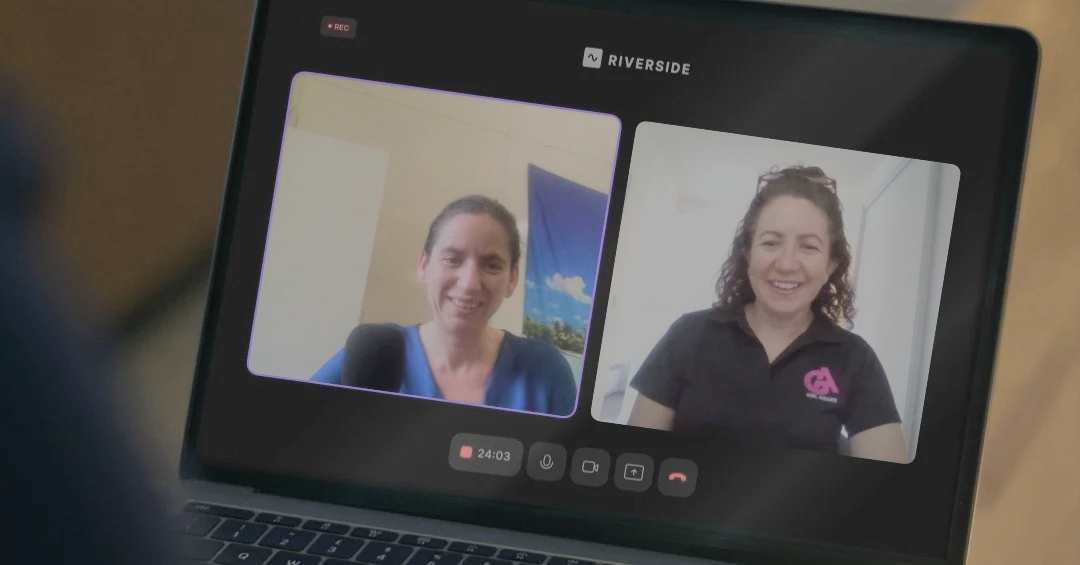
In this eye-opening conversation, Melanie Suzanne Wilson sits down with Danielle Godfrey — Personal Safety Specialist, founder of Girl Aware, and former Victoria Police detective with 12 years of frontline experience — to talk about the realities of personal safety that most of us were never taught.
Danielle has seen it all. Romance scams that unfold over years. Predators on public transport. Vulnerable teenagers targeted at train stations. Corporate men with letters after their names caught on CCTV committing offences across an entire tram. And through all of it, she noticed the same pattern: the people most affected were the ones who simply didn't know that these things existed in the world.
That insight became Girl Aware — an empowerment-based self-defence program for women and girls that goes far beyond karate chops and physical techniques. It starts with awareness, education, and the confidence to trust your instincts before a situation ever escalates.
This is not a conversation designed to scare you. It's a conversation designed to equip you.
What We Cover
How Danielle went from fitness instructor to frontline police officer to founding Girl Aware — and why she couldn't not do it
Why empowerment-based self-defence starts long before any physical contact — and why most of what you see on YouTube is misleading
The truth about online danger: dating apps, romance scams, and why offenders know exactly where vulnerable people are
Danielle investigated an elaborate romance scam involving a fake American Marine, a lonely woman, a teenage girl in Adelaide, and money moving overseas
Why victims of scams are often not naive — they're lonely, grieving, or in a vulnerable season of life, and offenders are deliberately targeting that
The five-step framework Danielle teaches: Think, Yell, Run, Fight, Tell
What prisoners in a US study said when shown CCTV footage of women walking down the street — and what they looked for in a target
Why the vibe you project, how you hold yourself, and your first words to a stranger are your first line of defence
The fight, flight, or freeze response — why you can't train your way out of it, and why what happens after an incident matters more than people realise
Why women are socialised to be polite in situations that call for boundaries — and how Girl Aware is changing that
The girl at a workshop who whispered through every exercise but nearly knocked Danielle over with every strike — and what that moment taught her
Why Danielle is focused on getting into more schools over the next 6 to 12 months
How to have conversations with kids about hard topics — the open questioning technique, the power of "tell me more about that," and why the car is one of the best places to talk
The basics that save lives: phone charged, keys in hand, tell someone where you're going, trust your gut
Fake it till you make it — why projecting confidence is one of the most powerful personal safety tools available to anyone
Key Insights from This Episode
"Self-defence starts before you leave home — sometimes right back here." The physical techniques are the last resort, not the first line of defence.
There is a percentage of danger in every community, city or country, day or night. Awareness is not paranoia. It's preparation.
Predators don't look different from anyone else. A high-flying corporate man with qualifications after his name can be the person on the CCTV footage.
Vulnerability attracts opportunists. Grief, loneliness, and major life transitions are the seasons when people most need to know these things.
Reporting matters. The more people tell someone — police, a counsellor, a trusted person — the less power unresolved trauma has over the rest of their lives.
If you walk with your head up, move with purpose, and respond with confidence, you are not an easy target. That's not a guarantee — but it is a deterrent.
About Danielle Godfrey
Danielle Godfrey is the founder of Girl Aware and a Personal Safety Specialist with over a decade of frontline policing experience in Victoria, including four years as a detective and two years with the Transit Crime Investigation Unit. She holds a Diploma of Policing, an Advanced Diploma of Police Investigations, and Certificates III and IV in Fitness, along with additional training in personal training, community services, and mental health.
Before joining the police force at 30, Danielle spent over ten years as a fitness instructor teaching adults and children across schools, community organisations, and workplaces in Camperdown, Cobden, and Warrnambool. As a mother of three, she brings both professional expertise and lived understanding to every workshop she delivers.
Girl Aware workshops are trauma-informed, age-appropriate, practical, and empowering — designed to help girls and women build awareness, trust their instincts, strengthen their boundaries, and leave with skills they can carry into everyday life.
Connect with Danielle Godfrey & Girl Aware
📸 Instagram (Danielle): @danni_t_godfrey 📸 Instagram (Girl Aware): @girlaware_ebsd
Listen and Subscribe
🎙️ Spotify: The Motivate Collective Podcast 🎙️ Apple Podcasts: The Motivate Collective Podcast ▶️ YouTube: @TheMotivateCollective
Join The Motivate Collective Community
🌿 More conversations, events, and resources built around growth, wellness, and conscious living — all in one place. 👉 www.motivatecollective.com
Tags / Keywords
Danielle Godfrey, Girl Aware, personal safety, empowerment self defence, women's safety Australia, ex detective Australia, romance scams, online safety, public transport safety, personal safety for women, trust your instincts, self defence for women, safety awareness, Girl Aware workshops, Victoria Police, Transit Crime Investigation Unit, women's empowerment, safety for teenagers, school safety programs, The Motivate Collective, Melanie Suzanne Wilson
Transcript
Melanie Suzanne Wilson (00:01)
Danielle, welcome to the show.
Danielle Godfrey (00:04)
Thank you. Thank you for having me.
Melanie Suzanne Wilson (00:06)
We've talked before, and I understand that you guide people to be literally more safe. How do you explain what you do?
Danielle Godfrey (00:17)
So I started a program called Girl Aware. So my background is I was a police officer in Victoria for 12 years from 2010 to halfway through 2022. Of that, I was in frontline police duties for eight years, and then I was a detective for four years. So during that time, I, you know, like I investigated everything that you can think of and obviously I dealt with a lot of victims, a lot of offenders. So I saw people from all walks of life and dealt with a lot of different scenarios. The main thing I saw is that victims, women in particular, younger girls that weren't exposed to some of the darker sides of the world, to some of the bad things that go on, were really quite traumatised by some encounters that they'd had.
So yeah, so I've established Girl Aware, which is basically it's empowerment based self-defense. So a lot of people ask me, you know, is that like, am I a black belt in karate or whatever, and I'm not. The empowerment-based incorporates education. So I've got a lot of stories to tell, a lot of advice, lot of guidance and education on how people can avoid dangerous situations. And then we've got obviously the self-defence techniques that I teach. Yeah.
Melanie Suzanne Wilson (01:45)
You have so much insight into what can go wrong and how we can try to let things go a bit more right, hopefully. There are so many scenarios. You mentioned days ago that older people have stories, and you work with younger people. I'm going to start off with something that I'm slightly familiar with. Apps.
Danielle Godfrey (02:10)
Yep.
Melanie Suzanne Wilson (02:11)
I can trust that you would have seen people getting into all sorts of situations with the dating apps and meeting strangers, or what's going on with all of that, and how unsafe are people really?
Danielle Godfrey (02:27)
It's hard, it's like everything. It's a little bit hard to say this is super dangerous. You know, there's predators on here or this or this. There are dangers in the world everywhere. And for some people, that's online because that's where they're spending a lot of time. For some people, that's at home; for some people, it's at work. So there's dangers everywhere. Obviously, nowadays we are online a lot. That is the space that we sort of live in, and you know, offenders know that. They do, there are definitely people targeting, I was going to say younger girls, but not necessarily, can be girls, can be men, you know, all sorts of people, whether that be through like dating apps. like, know, like sexually, you know, asking people to, you know, coercing younger people into then taking pictures or whatever, or whether or not it's like a scam. So obviously I've, I've spoken to, at work, but also I know a lot of people privately that have been involved in romance scams and things like that. So they are out there, but whether it's someone physically or someone online, the messages and the steps to take are pretty much the same, you know, to be aware of the dangers, no matter where they are or what they are, to then try and avoid them. So yeah, but obviously that's the world we live in now, isn't it online so tends to be a bit more prevalent, but also more reported, and it's a topic of interest. So sometimes things may appear to be worse than they are just because they're now reported more often, which is great.
Melanie Suzanne Wilson (04:09)
Interesting. We're hearing about things more, so it will look like things are happening more, but are you saying that with human nature and with just how the world is, these things have been happening in some form for pretty much throughout history?
Danielle Godfrey (04:26)
Yeah, some things. I mean, obviously not online because we didn't have it back in the day. But definitely, I feel like the stats about a lot of crime are a little bit skewed because is it the fact that it's happening more or is it the fact that people are just more aware now and more comfortable in reporting it? People are encouraged to report things, whereas years ago they might not have been believed or they might have felt uncomfortable, you know, speaking with police or whatever. So times have changed, and there's so much more education now about, you know, everything. So, yeah, so the population's growing. So I guess stats are going up. But yeah, whether or not those stats are actually accurate, I can't say that. Yeah, I believe that they totally are.
Melanie Suzanne Wilson (05:17)
I get where you're coming from. I really do. Because especially decades ago, a lot of things were normalised as well. And people weren't sharing that some things were happening. For me, it became just normal that for some families, there would be times when a family would have holes in the walls or whatever is happening. And I've even had conversations with some friends who said, yes, parents did this and did that when we were young. And it's so much worse than what I could ever imagine doing. But people weren't documenting everything back then. So it sounds like there's a lot more documentation now.
Danielle Godfrey (06:09)
There is, and there's a lot more accountability, especially for police. So I'm not exactly sure of the year, but I joined in 2010. I think it was around that time or not long after they changed the whole, say, domestic violence reporting systems. They brought in a lot more accountability for police. So it was a lot harder to go to an incident and say, to brush it off and say, yeah, it's nothing, nothing happened and sort of leave it at that.
There's a lot more accountability. Yeah, obviously, things that in the past may have just been looked at as, oh, it's just a couple having a bit of a fight. It's nothing. Now it's identified that, oh no, that's actually a form of domestic violence. There's, obviously, the stats are a little bit higher because of that. Yeah. If that makes sense.
Melanie Suzanne Wilson (07:03)
I see, I see. So that will bring the stats up, and as you mentioned, the population is growing as well.
Danielle Godfrey (07:09)
Yeah, yeah, yeah. I mean, there's there are certain I mean, obviously, you know, there's a percentage there's a percentage of all say it will say domestic violence reports that are the same people night after night, weekend after weekend. Police are called, you know, one party's removed, intervention orders are put in place. And then the next weekend, they're back together or the next night. In a lot of cases, they're back together. So I just, yeah, I just think, whatever those numbers are, they aren't always individual new cases. They can be repeat offenders.
Melanie Suzanne Wilson (07:46)
I see, I see. And you mentioned scams. It sounds like we're talking about more than violence here. And part of what people need to know about to look after themselves is other forms. The scams, are you talking about the classic financial scams that we hear about, and they keep popping up? need to go and buy a gift voucher, a gift card.
Danielle Godfrey (08:11)
Yeah, give me the numbers. Yeah, yeah. Yeah. So there's a lot of that, which is really quite baffling when you hear someone's story about you, the man that called them up and told them to go, yeah, like you say, down and to buy a gift card, and you hear it, and you're like, wow, you actually do that. But I guess that's the thing that person that was, I guess, gullible or just innocent, didn't know that that existed, didn't know that that was out there. So, you know, they didn't know that that was a part of the world, which it unfortunately is. So that's how they sort of got sucked into doing that. So yeah, there's a lot of that romance scams. I know I investigated a couple of those, which are really quite hard to investigate and can be quite convoluted because it could, for example, I'll just give you an example of that one that springs to mind. It was a lady that was in the suburb where I was working who was speaking to a Marine, an American Marine, who they were in love, you know, whatever. And his Facebook profile picture was him in his Marine uniform. So she thought, speaking to him for a long, long time, like could be one to two years prior. And then he asked her, if he puts the money in her bank account, can she then transfer it to someone else? That money then ended up in Adelaide. A young teenage girl was then involved, and that girl was then asked to send money overseas. that can be very elaborate, and you're pulling faces at me now because I'm a huge fan…
Melanie Suzanne Wilson (09:50)
I'm sorry, that's rude. I'll just, I'll edit so we just see your face. I'm just so sorry.
Danielle Godfrey (09:54)
No, it's fine. No, but it shows that you don't know that that exists, you know, like….
Melanie Suzanne Wilson (09:58)
I'm wrapping my head around this. So basically this guy, whether he was who he said he was or not... No, no. It could have been a Russian or whoever. Did you find out who it was? Wow.
Danielle Godfrey (10:05)
I it wasn't, yeah. Yeah. Yeah.
It could be in anyone. Yeah, no.
So there was also another element in that story of another couple that lived in the same suburb that had paid with talking to the builder, were getting a new kitchen, and the builder had, you know, there was emails back and forth. And in one of the emails, the builder had said, yeah, no worries. Just, I'll send you the bank details. Just put the rest of the deposit in here, and you know, we'll be starting next week or whatever. Somehow, that email was intercepted by someone, wherever, not in Australia, overseas, who then changed the bank account details and sent that to them. So then they put $70,000 into an account overseas, never saw the money again. So yeah, really hard to investigate because so many different avenues, and it's over such a long period of time, the grooming. Yeah, and the poor lady, I mean, obviously she did the wrong thing because she did transfer this money and, you know, assist in the crime. But she actually thought this guy was in love with her, that he was planning to come from America and meet up with her, and whatever. it's it wasn't till a long way down the track that she actually realised, actually, this is starting to, you know, seem a bit odd, smell a bit fishy. And then she by then she's already involved. So, yeah, so there is a lot of when you talk about dangers and things, there's a lot of things as I said, in person and online that exist. And yeah, that people need to just be aware of to avoid these situations.
Melanie Suzanne Wilson (11:45)
Wow.
People don't know what's real on the internet. What you're describing, it goes beyond the apps; it's great you're mentioning social media, because this person must have been elaborate conversations if it was under two years, that's persistent. This isn't just; sometimes you see those Facebook accounts where someone has no followers and set up the profile yesterday, but this went on for two years. It must have been so involved; it must have felt real.
Danielle Godfrey (11:48)
Yeah.
Okay.
Yeah, yeah, yeah. But I mean, I'm gonna, what I'm gonna say is not always, it's not the rule, but a lot of times the people, the victims that get involved in these scams or get, you know, tricked, they're in vulnerable situations. You know, like she had been single for a long time. She was very lonely. I know of another family friend, actually, the lady had lost her husband. So somehow, online on Facebook, they seem to be able to find those people that might be posting, maybe about a funeral or about missing their husband or whatever. And then, you know, somebody started talking to her and said, I grew up in the same town. I know that town. And they sort of try and have that, you know, common thing to build trust and then eventually, after months and months and months asked for the money. Luckily, in this case, that lady's daughter knew of it, and she said, no mum, that's not right. And she was mortified. She was so hurt and embarrassed because she was in a vulnerable time in her life when obviously she was lonely and, you know, really, you know, getting a bit of a buzz from someone talking to her and yeah, romantically. So yeah, it's really sad and really scary.
Melanie Suzanne Wilson (13:34)
It is. Do you think people get into all sorts of situations when they are feeling vulnerable? I have seen there's a stereotype; I know everybody uses the word narcissist these days. Narcissists are the thing to talk about, but it seems like when people are getting into social connections as well as things like that, when we are vulnerable, grieving, or just exiting a relationship or a single for a long time. Have you seen that in general, with all sorts of these scenarios, the vulnerability attracts these problems?
Danielle Godfrey (14:11)
Yeah, predators, yeah, definitely. I saw a lot of it involving teenagers that aren't living at home. So they're living in that group. Well, I call them DHS, Homes. DHS was the Department of Human Services. I think it's called something else now. It's changed, and that was in Victoria. Yeah. Okay, so yeah, so it's obviously kids that can't live at home because of, you know, issues with parents, you know, parents have had the kids taken off them, whatever. They often they'll be in the suburbs, there'll be houses dotted around, which just look like normal houses that are group homes for these teenage kids. And obviously, their support workers are living there. So they're not, you know, with parents, family or whatever. So lot of those vulnerable kids will then be hanging around train stations at night, you know, hanging around, you know, just in the city and targeted by predators that are then going to offer them drugs in exchange for sexual acts and things like that. A lot of older males in their 20s that are targeting these young 13, 14, 15-year-old girls that obviously don't have that parental support, and they're a little bit lost and off the tracks themselves. But yeah, they're obviously a real issue because they're quite vulnerable, and they're young, they're not aware of dangers. They're still forming their brain and their thoughts and everything.
Melanie Suzanne Wilson (15:48)
They're still absolutely forming their brains, and also, if they hadn't been exposed to things that they should be sheltered from at that age, they would have no idea.
Danielle Godfrey (15:57)
Yes, yeah, yeah, that's right. Yeah, and trauma, you know, a lot of it, obviously, they're not living at home anymore. Something's happened. So they've been exposed to trauma or, you know, drugs, alcohol at an early age. So yeah.
Melanie Suzanne Wilson (16:12)
So it might be a bit familiar to them, and they might be a bit more willing to go along with some things.
Danielle Godfrey (16:15)
Yeah.
Yeah, that's right. Yep.
Melanie Suzanne Wilson (16:19)
That's, that's a tricky one. So the teenagers, that's a whole thing to navigate in itself. I'm curious, then, for young adults. Are they actually? I do feel inspired by some people in particular, drawing upon what it was like. I was, I was a young adult at a time when technology was a bit more simple. So I've heard that Gen Z has a whole extra layer of connecting through technology, but either way, someone is getting into the world, and they might be a bit trusting of people who they are trying to figure out who to trust. And, so I'm curious, what do people need to know in those situations? Or maybe someone has been just out in the suburbs for a long time, and then they are getting independent again in some form. What's the starting point for just having a bit of discernment?
Danielle Godfrey (17:16)
Well, basically, what I sort of teach is, as I said, awareness. So a lot of stories about, you know, investigations that I dealt with and, you know, the effects of trauma on the brain and whatever. And I just try and give younger girls, but just women in general, insight into some of the things that are out there in the world without obviously scaring them. So we don't want people to be scared to never leave their front door.
But they do have to know that there are in every single population, every town, like I worked in the city and then in the country and lived in a lot of different places, in every single place, there is a percentage of bad people. Like you cannot say that, I live in a country town, it's safe. It may be safe at the time in normal circumstances, but when someone's alcohol or drug affected, and you come across someone at two o'clock in the morning, and there's sort of opportunity there, it may not be safe anymore. So there is a percentage of danger everywhere. So obviously it's just teaching people that there's dangers out there and you need to open your eyes, pay attention. So the first thing I think I teach is five steps. So think, yell, run, fight, tell. Think, you know, it sounds pretty obvious, but it's basically be aware, like look around you. Does this person look normal?
Does this situation feel normal? Have I got headphones on? Am I walking with my head down? Am I aware of what's going on around me in my surroundings? And then obviously, getting people to just think about situations go, you know what, it might be nothing, but I'm gonna take steps to avoid something happening. I'm gonna take evasive action just in case. The tricky part with that is you sometimes can't really tell if you were right in the first place because you avoided potential danger. And yeah, getting people to just take those steps to avoid it. And then obviously if something does happen, yell, use your voice, speak confidently, that also might de-escalate danger, and the situation might never actually seem really dangerous because you used your voice, but that's exactly what we want. We don't want people in situations. And then obviously there's the self-defence techniques and things like that.
Danielle Godfrey (19:41)
An example of that is I'll just quickly tell a story. Years ago, and this was before I was in the police, I was out running. I was living in Darwin at the time, and I was running. It was broad daylight, and there was a guy, sort of a road like around the lake or something. So there was no one was around. There was a guy coming towards me, and he just, something about him didn't quite look right. He had a shirt on, you know, was sort of like he looked like he'd been out for the night. It wasn't clothing that looked like he was out exercising at 6.30 or whatever it was in the morning. As he was coming towards me, I just thought for some reason, I think I'll just cross the road. And as I crossed the road, he then started screaming at me and abusing me because he was saying, know, do I stink? What, you know, do I stink or something? Do I? And going berserk. And I remember sort of going, oh, oh my God, and you know, keeping on running. But now I look back, and I just think that's exactly what I needed to do. I used to was aware.
Melanie Suzanne Wilson (20:36)
Okay.
Danielle Godfrey (20:37)
I analysed it quickly, I took evasive action and good thing I did because he was, you know, he's probably still drunk, I don't know. But yeah, that can happen anywhere, and it's not, there's not the big bad man that's gonna jump out of a bush. Circumstances can happen anytime of day, anywhere, male, female, old, young. We just need to be aware that these things exist in the world.
Melanie Suzanne Wilson (21:03)
Yes, there are the drunks who just seem a bit off, and you want some space, or you don't know them. I see where you're coming from with that. Even just days ago, someone seemed good-intentioned, but something was just a little bit odd. And this is the more kind version because this person was just ranting a little bit, trying to help. I'm helping you. I'm helping you. You need this location.
And he was emphasising he's about to go pick up more, more bottles of alcohol from somewhere nearby. And his car is right there. Okay, great. But nothing in that he was never attacking me or anything, but sometimes he can just tell if someone might be a bit randomly drunk. So that's really fascinating that it can happen in the middle of the day. It's great that you did have your instinct, because why was that guy so mad at you for crossing the road?
Danielle Godfrey (22:02)
Yeah, yeah. I had another instance recently, this is like a month ago, I walk my dog at, you know, 5.30 in the morning. And I guess at that time of the morning, you just know that it should be quiet. There's not many people around. If there is anyone else around there sort of walking their dog or exercising. And I crossed paths with a man, and there was nothing there at that time. But I just said, morning, you know, like I would. And he said, " Morning.” And he said, “How are you?” When he said, how are you, that was just too much for that kind of morning greeting. just something, just a little flag. And I just kept walking. And as I was walking, I actually turned behind just to check that he wasn't following me. And he had actually turned behind and was looking at me. And then it gets a little bit funny because I then went, oh, okay, that's a bit odd. I'll keep walking. And I did check behind a couple more times, and he wasn't there.
I walked around the whole town doing, you know, walking my dog in the morning. While I was doing that, I was thinking about an upcoming workshop that I had that, that was like a Tuesday, and it was that weekend. And I was thinking to myself, I'm going to tell these ladies how, you know, this was just a normal Tuesday morning, but this guy said, " How are you?" And it was like a bit too much. Just, just his tone was not right. And then, you know, how he was sort of watching me and whatever. Anyway, kept walking and then
On the way home, I actually saw him again. He was standing on the side of the road, but it wasn't like, so sometimes tradies are standing on the side of the road, you know, because they're waiting for a ride or whatever, but he was pacing, and just, I just knew that that was a sign that something wasn't right. So I again crossed the other side of the road, and then I didn't make eye contact at all. So I put my head down, and then he was yelling out at me across the road, " You're up early.” And you know, obviously, trying to engage me again, nothing happened.
But that just said to me, that's not quite normal. Something's not quite right. I'm not waiting around for something to actually happen. I'm not gonna walk next to him and see if he grabs me or attacks me or whatever. I'm gonna avoid it before it happens. Yeah.
Melanie Suzanne Wilson (24:10)
It sounds like you've experienced a lot of what-if thoughts.
Danielle Godfrey (24:18)
Yes, and I guess some of that's post police. You know, police are very vigilant in their private life because it's just the training, but also because you sort of have to be a little bit. But yeah, but I feel like I was before I went in the police. I mean, I, in my 20s, was quite the runner. So I did a lot of early morning running, especially in the country, and if you're running around in the dark, there is always that element of danger, whether that be a person, an animal, know, whatever. So I guess you are a little bit more vigilant. So maybe that's where it's come from. I'm not sure.
Melanie Suzanne Wilson (24:57)
Interesting. That's definitely an added layer when it's in the dark, and I wish I could relate to that feeling a bit because I just felt historically a bit too invincible until something would put me in my place a bit. But I know that so many women have that what if feeling so much of the time, be it for a run or walk or going to particular places like a bar or something else, because it's, it's a protective feeling. And, and I'm definitely curious then for those who are a bit older, I know you worked with younger people a lot, but for those who are getting social, you have this framework, and then if we are actually here's a question. Had you seen people working with each other and things get weird?
Danielle Godfrey (25:57)
Hmm.
Yeah, yeah, I have. I've actually, well, not witnessed myself, but I know a few stories of actual things that had happened in the police station, believe it or not. So, and this is the thing, men and women, we're, we're very different. You know, where am I going with this? In the workplace, just because people work in certain roles in certain careers, just because they might be well educated, doesn't mean that they're like the crux of it is they're just people, men, women. They've got different desires, different backgrounds, know, different quirks and things like that. So yes, there's definitely things that go on in the workplace, you know, especially after work parties that go wrong or, you know, the classic Christmas party when people are too drunk or whatever. But yeah, there's definitely a lot of stories everywhere, you know, and in the workplace, yes, there, obviously, some people are assaulted, but I feel like women were so trained or were just brought up to be very polite.
There is stuff that goes on, and often women may not even register or realise that, hey, that was a bit of a red flag or that was offensive or that was an assault, a sexual assault. We might brush it off and just think that it's normal or they're just mucking around because we're trained to be polite, and sometimes in uncomfortable situations to just do the classic, know, just kind of their awkward little laugh you know because it's it's an awkward situation but yeah like I was saying you know police doctors nurses like all sorts of areas they're just people working in that career so that doesn't mean that you know it's everyone is 100 you know a good person because there is good and bad everywhere.
Melanie Suzanne Wilson (27:58)
Yeah.
There is, there is. I saw some people with titles or particular roles behaving so badly, and people defend it because of who they are. That absolutely happens. It sounds like you've seen that as well.
Danielle Godfrey (28:34)
Yes, yeah, well, I was actually just thinking about things that happen on the news, you know, there's a lot, you know, political stuff, politicians that get accused of this or that, and then it might get all blown over. But I'm just thinking a case springs to mind. There was a male, older in his 60s, probably early 60s, that was a very high-flying corporate man that worked in the city. But when he, I don't know if it was just when he drank alcohol, but on this instance, you know, he'd gone to after work drinks and instead of catching the train home and going to the eastern side of Melbourne, he went in the other direction on a tram and went up and down the tram, rubbing his crutch on women, multiple, multiple women. So this one instance, I watched the CCTV footage.
And he just went throughout the tram. The tram's crowded, so know people are holding onto their bar or holding onto the handle, and they've got their backpacks on, they've got their headphones on. And he went, he touched multiple women. Like 10, 12 women rubbed them with his groin area until finally one woman realised what was happening. And she, know, she called her, she actually called her girlfriend and said, " My God, I think this guy's just rubbed me up on the tram.” And then she reported it to the police.
But yeah, watching the footage, investigating it, I was like, look at all these people. from one part of the tram to the other and up and back, whatever. And then, eventually caught the tram back to the city. That's one instance. That's, know, how many times did you do that? Who knows? It could have been every night of the week. I don't know. Probably for years and years and years. But yeah, I remember this man, like he was on a website. He had all the, you know…
Melanie Suzanne Wilson (30:03)
He went along to one person and another person.
My god.
Danielle Godfrey (30:29)
Little things after his name are the, I don't even know what they are, those little, the letters, I was going to say abbreviations, a letters after his name, like he was quite well to do, but yeah, there's just, and that's the thing. And that's why, like, so some people say to me, well, what does an offender look like? And I'm like, just like you and me, you don't know. So you just have to be aware that these things exist in the world to avoid obviously, if you do encounter something, you know, being
Melanie Suzanne Wilson (30:34)
So letters after his name, the acronyms.
Danielle Godfrey (30:59)
Totally spun out and traumatised by it because, unfortunately, there is a lot that goes on in the world. Which I guess, because I've been exposed to that, I'm a lot more aware of it, but a lot of people aren't, which is great because really, how nice would it be to not know about this bad stuff in the world? Yeah, it's a bit concerning, especially with younger girls, younger teenagers and things that don't know what it's like out there.
Melanie Suzanne Wilson (31:27)
Young people need to know, and I hope that the good people and the good men in particular can see this is what we're actually facing the rest of the time, because I think that some people who have lived a safe life really don't know what it's like and quite a few of your stories have been out in the open but what I saw, I had a few years of dating through dating apps and elsewhere, but it was mostly finding people online. And then, often someone would be a friend of a friend, coincidentally, or someone would have a job that makes them look trustworthy. And I would have to, I would have to sit down, think hard and make a list for you to really identify all the times when I was actually physically pressured into something. And.
Danielle Godfrey (32:11)
Yes, yeah.
Yep.
Melanie Suzanne Wilson (32:24)
You don't expect that. But also, you say that women want to be polite. That happens. People also will, people will shame people into doing things. The line I kept hearing too often was, I thought you were submissive, then do what I say. That happens far too often. But for me, the caring feeling. I wish I knew how to be polite, but the caring feeling. I want everybody to be okay. And sometimes people are doing things and wondering, ‘Why are you putting up with this?’ And I would say you're in a situation, and I care about you. I don't know if you've seen other women having that attitude.
Danielle Godfrey (33:04)
Yeah.
Yeah, yeah, it's interesting. It's really interesting. And when you say the dating thing, I'm well, I was going to say I'm a bit too old for dating apps. Obviously, you know, I have a husband, so I don't, I'm not in that world. Hopefully I never have to be because I, I would not like it at all. It's not normal to, you know, pick a partner or, you know, to interact in that way. I mean, back in the day, you might've met someone when you're out at the pub, but it started with making eye contact and then, you know, a little bit of flirting or whatever. There's a bit of a process. So it's just really abnormal, isn't it, to meet someone online and then suddenly just meet them. Yeah, I can't imagine doing that, and I can't imagine wanting to do that.
Melanie Suzanne Wilson (33:57)
No, no, but it sounds like a lot of the situations that you experienced in your work were often in a different situation, be it the domestic side or in public. And that's really opening my eyes and hopefully making the audience more aware because for you, there's been that gut feeling or something seemed a bit odd just being out in the open. So that's the part that's educating me because what I saw was, so often people seemed familiar a little bit or, you know, the two or three degrees of separation, so to speak, but it was often not things just out in the open, but from what you're describing, be it those children who aren't living with their parents or whoever else, it seems like they, it seems like these things are happening at train stations and just out. Finally understand why some people get worried when I travel alone. I didn't really understand it. So, are that many things happening just out in the open?
Danielle Godfrey (34:58)
Oh yeah, definitely. yeah. Definitely. I mean, you even you just have to think about overseas travel. I did a lot of backpacking. I did think, three adventures on my own backpacking. I look back now, I would never do that now. Yeah, well, back then I was in my 20s. I didn't have any kids, so I sort of didn't care as much or maybe I was just stupid, but I didn't have a phone with me or anything. But, you know, like I was just thinking.
Melanie Suzanne Wilson (35:12)
Really?
Danielle Godfrey (35:25)
Certainly, I was in India and in certain Asian countries, you know, there's those people that will follow you around and want to get you to speak English, teach them to speak English, you know, that's what they're saying, you know, hey, miss, miss, miss, can you help me? I just want to learn English, and they're, you know, following you, following you, following you. Have you, have you not experienced that?
Melanie Suzanne Wilson (35:47)
I interpret things far too literally, and we'll save the debate about the spectrum for another day, but I believe, I truly believe people too much. And honestly, one day you might hear about the situations I have ended up in far beyond whatever I've said on camera, because genuinely, I just believe people.
Danielle Godfrey (36:00)
Yeah.
Yeah, right. Well, see, I probably the other way, and I genuinely don't believe people. But the thing is, I guess for you or anyone like you, the scary thing is that vibe that you're giving off in that very instant. I mean, I don't know if people will talk, will say, you know, the offender, the male, male, female, whatever it is, they might not actually do this on purpose, but there's all that instinctual stuff. mean, someone's following you around saying, " Hey, hey, you look like you're lost. Do want me to help you?” Blah, blah, blah. If you're then straight away putting up, you know, a bit of a barrier and saying, no, no, I'm fine, thanks, and appearing to be strong, you're not an easy target. So they're gonna go and find someone else. Because people don't, they don't want a fight or a challenge. They don't want to be noticed. Whether or not they're doing that on purpose. Like what I'm saying is, are these offenders leaving their house and going, I'm going to go and try and find a very vulnerable, gullible victim, and then I'm going to ask her this and this? Or is it just opportunistic that they happen to stumble across a woman and they get chatting and whatever? But definitely the vibe, how you hold yourself, how you walk, how you stand and that initial vibe or that initial few words that you exchange with someone definitely tells them whether or not you're going to be an easy target.
Melanie Suzanne Wilson (37:38)
Interesting. This is opening my eyes so much. The you look lost stands out to me because, especially, I have no sense of direction at all. And I don't miss the days before iPhones when we'd print out a map and try to figure things out. I just, for the life of me, go around in a circle three times and then somehow find the place.
Danielle Godfrey (37:39)
haha
No.
Yeah.
Melanie Suzanne Wilson (38:07)
So that would have absolutely happened. And are you saying that sometimes people say a line like that and then something ends up happening?
Danielle Godfrey (38:17)
Yeah, yeah, yeah, yeah. There's been studies shown that they, I think it was in America, they studied a lot of prisoners and they showed them some CCTV footage of women walking down the street. And they said to them, without speaking to them, without know, obviously, being even close to these women, just watching it, point out who you would target, who would be your next victim, basically. And the people that they pointed out were people that were either distracted, so like got headphones in, looking at their phone, or that looked shy and nervous and not confident. And that can be in the pace that you're walking. So you know, if you're on a mission, you're sort of walking quite fast. Or you know, just how you're holding yourself if you're walking with your head up high and your chest up high. That can be a deterrent. So that's what I mean. It's like very hard to go, was that going to happen or not? Because you know, how that is the very, very, very start of something. So yeah, who knows what might've happened, you know? And that's what I was saying, this guy at 5.30 in the morning, if I had been stupid enough to engage him, and when he said, how are you? If I'd said, yeah, good thanks, how are you? Then that opens up, he's now thinking, okay, she's chatting to me, she wants to talk to me. And then I ended up standing on the side of the road talking to some stranger in the dark. So yeah, the vibe and everything that we give off at the very, very start is the first form of self-defence, which is tricky if you don't know about some of these things that go on in the world, you know.
Melanie Suzanne Wilson (39:59)
It is, but at least people can draw upon the skills from elsewhere for this. People assume self-defence is learn karate or whatever forms there are these days. Judith, I have no idea. I'm probably saying that word wrong. There are all those forms, but even today, I saw a video, the algorithm shows me anything, and there was a video of
Danielle Godfrey (40:05)
Yep.
Yeah, karate chops and all.
Melanie Suzanne Wilson (40:27)
This is what to do if there's someone taller than you and you go this way. But it starts far before that. It's about portraying confidence.
Danielle Godfrey (40:30)
Yeah, yeah.
Yeah.
I get quite frustrated. Obviously, I've, you know, YouTube or Google, you know, a lot of moves and things. And I get quite angry because of it, and it flips up on my phone because the algorithm, because a lot of that is just such rubbish. And there are some self-defence moves I actually try on my husband. Now he's probably not twice my weight, but you know, he's a lot heavier. He's taller, he's heavier. And I'll say to him, " Grab me like this. I want to see, you know, if I can do this.”
And I can't, you know, because it's a lot of that stuff that they show you. It's a little bit of gymnastics as well. So they're not obviously going to show you how hard it would actually be to flip someone that's twice your size. The guy is ready for it. He's sort of acting. So he's sort of rolling when he needs to or whatever. But the thing is, martial arts, the difference between martial arts and self-defence, martial arts is a sport. It's in a very contained environment. So if you step into a ring or whatever, you expect someone's going to kick me, someone's going to fight me, so I'm ready for them. I've been training, you know, three or four times a week, week after week after week for this fight. This is not self-defence. Self-defence is when you are caught unaware, you know completely off guard. You might go into a fight, flight or freeze situation, and you don't know how you're going to react. So what I'm saying to people is let's not get in that situation where you actually have to physically touch or be in contact with someone or defend yourself. Let's wind it right back so self-defence starts, you know, before you leave home, sometimes, you know, right back here. We don't want to be in those situations because you may not come out, you may not win a fight, you may not come out on top.
Melanie Suzanne Wilson (42:24)
That's so true. You might not win, or you might survive, but in what capacity and what impact is that going to have? You don't know.
Danielle Godfrey (42:33)
Yeah.
Exactly. Yeah.
Yeah.
Melanie Suzanne Wilson (42:41)
The fired flight and freeze. Do you recommend trying to overcome that in some form? I've talked to quite a few mindfulness leaders on the show, people who have done their yoga training or other forms. And of course they talk about breathing mindfully, or at least take a moment, a second, when a situation comes up of any sort, and that's often applied to other things like speaking, presenting, or dealing with stress, like an argument, anything, but this sounds like the same thing, people freezing up a fight or flight, it seems almost universal. So do people even have a chance to pause in those situations, or do we go into so much of a shock that there won't really be that opportunity?
Danielle Godfrey (43:34)
Um, it's hard to say, isn't it? It's hard to know. I feel like you don't; there's not much of an opportunity. So, quick story again. Um, I investigated an incident, a sexual assault on the train. Um, the victim was a male, and he was on the train with his girlfriends. They were going into the city to buy a present for his mom or something. And on the way home, he was just sitting; he was only 17. He was sitting, chatting to his friends as he should be, you know, just living his life. And, um, a male sat next to him, and when they went through the tunnel, the lights in their carriage weren’t working, so it went dark for a few seconds, and this male started to rub him on the, you know, sort of upper thigh area. This kid froze. His face, obviously, his friends that sat opposite him, you know, have the seats kind of face each other. They knew something was wrong just by his face. They got off the train at the next stop, which wasn't their stop. They just got off to get out of there.
He stood on the platform, and he fell to his knees and just burst into tears. Very normal reaction. know, like obviously he can't control that. But when I spoke to him a few days or probably the next day to take his statement, he said, I'm just, I'm just so embarrassed. I'm just so embarrassed. I said, " Mate, you don't need to be embarrassed. That's, that's what happens. You just don't know how you're going to react. But he said, " No, I've actually done karate since I was 10. So I actually thought that I could handle myself, and if anything ever happened to me, that I'd be fine. But like I just said, karate training, all of that is one thing, is one discipline, it's for one situation. How would he know that a male would want to rub him on the leg when he's just out shopping with his friends? So, in answer to your question, I don't think that there is any training you can do. I think it's just your body; your mind will do what it needs to do, but after the fact is where people often suffer a lot of trauma. You know, like what do they do when something happens? Do they report it? Do they tell someone? Do they report it to the police? Do they speak to a counsellor? Do they deal with those emotions, or do they just pretend it didn't happen, bottle it up? Because that's when I think the damage occurs. And when I say damage, you know, you know, you would know from people that you've spoken to.
Trauma and things that aren't dealt with at the time can go on for the rest of someone's life. They can really shape relationships, jobs, all sorts of things.
Melanie Suzanne Wilson (46:04)
They shape relationships.
Danielle Godfrey (46:06)
Yeah, yeah, can come back to haunt you big time. So yeah, so fight, flight, freeze. I don't know if you can control that. You know, the other night I was driving, and it looked, was actually, it was actually fine. There was a lane that sort of turned to where I was driving, but from my peripheral vision, it looked like a motorbike was about to run into the side of me. And I was talking to my son to footy training. And I said, " My God, what was that?” And that's the thing.
If you're not aware, if you're not thinking about something that may occur, you can't control how you're going to react. But in some circumstances, you can be aware of not putting yourself in certain situations, you know, whether that might be just the people that you're around at the time or just before you're going somewhere thinking, okay, well, I'll let someone know where I'm going just in case, or I'll have my phone in my hand, or I'll have my keys in my hand or whatever. There are some simple things that you can do to minimise the risk. But yeah.
Melanie Suzanne Wilson (47:10)
Phone in the hand, keys in the hand. That's bringing us back to some of the basics.
Danielle Godfrey (47:14)
It is the basics, and that's the thing, it's all the basics. Yeah. Yep.
Melanie Suzanne Wilson (47:18)
Having the phone charged, that's, I wish more people would bring a power bank around. I don't know how reliable they are. I have one that doesn't last the way it used to. And I heard some headlines about how the power banks were a bit flaky. I don't know what's going on there, but keeping a charged phone. Yes, we all survived at a time when phones weren't around, but it's pretty handy to have them now.
Danielle Godfrey (47:45)
Yeah.
Melanie Suzanne Wilson (47:47)
That's a good phrase.
Danielle Godfrey (47:48)
It isn't, isn't.
I mean, I grew up without a phone. I didn't have a phone until I was sort of early 20s. And the skills that you learnt back in that era, kids today are losing those skills. know, the skill to be able to go up to someone and say, " Hey, can you help me? Mum was supposed to pick me up. She's not here. I need to get home. Or to be able to think, do I go into that house or that house? Does that look safe if I go and ask that person in that house for help?
We've lost all those skills because it's just easier to just call mom or just call someone. But definitely having the phone charged, especially if you're going in the car and things like that, that's all. I mean, it sounds a bit stupid, but all of that preparation that you do in life is some sort of self-defence. Like you're actually going, okay, I need the phone because of this or have I got my spare tyre, so I'm not stuck out in the middle of the road, or have I got this, or have I got that? It's all just risk assessments and planning for the what-if. So obviously in a little bit of a different form, but if someone's gonna go out to a party or a nightclub or, you know, leaving work late at night, these are just all the little things that they should be thinking beforehand just to minimise the chances.
Melanie Suzanne Wilson (49:06)
It's the basics of looking after yourself. It's the basics. It's the basics of looking after yourself. I feel like I needed to edit that because this is sinking in so much for me. I've looked at, I've looked at the fancy ways of doing self-care. How can the gut be optimised? And you mentioned the neuroscience. We've looked at all that, but it seems like part of this is making sure you have the basic supplies that you need, and also asking people for help because yes, you've seen some people out on the street that you wouldn't trust. However, I totally agree with you. I feel like there was a time when I, when it was a bit more normal to ask people for directions. And as long as we all trust each other, I guess, because I
Danielle Godfrey (49:38)
Yeah.
Melanie Suzanne Wilson (50:03)
grew up around a bit more community. I grew up religious, and I won't identify as religious or not in this moment, but there's that sense of community of we're going to meet people, and we're going to all help each other, and I don't know if people even consider doing that now.
Danielle Godfrey (50:17)
Yeah, well, it's a very different world that we live in. That sense of community has gone. And like I say, skills, just even, you wanted to call up a boy, you had to call the landline and speak to his mom and say, " Can I please speak to, you know, so and so?” They don't have to do any of that now. So the world is very different. And of course, the world, there's so many complex, you know, AI and technology and all these things that are so fancy, but we're still just human.
So we can't really change that. We're just humans, we're not robots. So obviously, some things have to be brought back to basics, and yeah, being aware of your own safety is just a basic skill that we have. Whether it be because you're about to be chased by a tiger or because you're about to go to a date with someone you met online, it's all the same principle, just a little bit different.
Melanie Suzanne Wilson (51:13)
The essentials of looking after yourself.
Danielle Godfrey (51:15)
That's right. Yeah. Risk assessment, awareness and yeah, it flows from there, doesn't it?
Melanie Suzanne Wilson (51:21)
You mentioned a tyre, or if someone is going out in the city, make sure they know how to get home and do it sensibly, because I can assume that enough Uber drivers and taxi drivers would have their own horror stories as well. really?
Danielle Godfrey (51:38)
Yeah, yeah.
They would, they would definitely, yes. There's, I mean, I've investigated taxi drivers that have been assaulted and robbed, and I was actually thinking, so a lot of, because I was in the police for quite a long time, and it's, the jobs that you go to, it's just work. It's your bread and butter. It's what you do. So you actually forget a lot of stuff.
And every now and again, things come back to me, and I just go, " That's right.” And so earlier when you were talking about the kids at the train station, I was thinking about one girl in particular, but just then I thought of another couple of instances where again, older man talking to a younger girl on the train, then chit-chatting along the route. And by the time they get off at whatever train station… then one girl got approached by a 50-something-year-old man to come home and have sex with him.
Different things. was a lot of that, which goes with what you were just saying before. We do these risk assessments, but that's the adult brain that actually can do that. Teenagers, they think they know everything, but they don't. And they can't because they're young and they're not ready to be out on their own. So in some circumstances where they are out on their own, with the, you know, they're not living at home or whatever. That's obviously when they can be quite vulnerable and a target because they don't have the skills that come with being older and wiser, and just with worldly sort of knowledge.
Melanie Suzanne Wilson (53:09)
amazed at how many of your stories are coming from essentially public transport.
Danielle Godfrey (53:11)
Well, I worked at the Transit Crime Investigation Unit for two years, and that's what we investigated, anything that happened on public transport around Victoria 24-7. So, yeah, so my stories often do come from that. I have to be careful, though. There was some young girls. So where I live, there's no actual train, no train line. And I was, I did a workshop with some younger sort of 12, 13-year-old girls, and I told a couple of these stories. And then one girl's like, never catching a train. I was like, " You should, but just be careful.”
Melanie Suzanne Wilson (53:43)
You're definitely poking a metaphorical bruise there because I actually knew someone who, about a year ago, said to me that she had not caught a train since something happened to her many years ago. That does actually happen. I hope we can give some encouragement to people who, in a very justified way, feel scared and need to have the courage to still be in the world and live life.
Danielle Godfrey (54:05)
Yeah.
Yep, yeah, and that is, and again I tell this story in my workshops, but you know, there are a lot of sex offenders that deliberately get on public transport and deliberately expose themselves to people to get a kick from it. Happens every day all over the place. I won't go into detail, obviously, I've sort of explained what it is enough, but that's...
That's the majority of what I investigated for two years. It happens all over the place. And there are especially younger people that are then quite traumatised and can't now catch the bus to school anymore and drop out of school, and they're going down that path in life now because of something that they've been exposed to that didn't sound very good, excuse the pun, but obviously a traumatic incident. So.
Yeah, that unfortunately is a fact, and it's really quite scary and quite sad.
Melanie Suzanne Wilson (55:17)
But what you're saying is empowering as well because it sounds like it's normal enough for people to want to avoid some spaces after something has happened.
Danielle Godfrey (55:28)
Yes, yep, yep. And that's why, like we were talking about the self-defence skills, in those instances, there's no, you're not actually going to be in contact with anyone. You might just be, you know, someone might expose themselves or whatever, and you react and whatever. But it's about teaching people and women, women and girls that these things are out there. Be aware of them. Don't be scared. Don't change your life. Don't avoid public transport or avoid going out at night, just know that these things are out there and have a bit of thought of, you know, like, if I come across this, what would I do? It's about giving them confidence and empowering them. A lot of what I do is we practice, you know, yelling and using our voice and saying, back off and all that kind of stuff. To me, you know, it's sort of nothing. I feel like I would do that anyway. I'm quite vocal, but in the police academy, that's what we learned from day dot had, you know, a good six months of training to use our voice. Um, but you know, I've had women come to me afterwards and say, thank you so much. Like that's something I really struggle with is speaking out and using my voice. And I feel like I found my voice, and I'm like, fantastic. Like that is the goal. Just empowering people. And if, and I always say to them, you're not going to remember everything that I talk about for the two hours, whatever it is. But if you remember one or two things that help you, then I've done a good job. That's all I can ask for.
Melanie Suzanne Wilson (56:56)
This is amazing. There are two things that stood out through this. I feel like we could talk all day because I just love a good story, but we can all see ourselves in a part of a story. When you said it's understandable to want to avoid some spaces, but we need to live our lives, I do want to share that there was a moment when I wanted to rethink
which services and businesses I connected with after something happened that impacted my health. And people judged that. And I'm willing to now say that publicly because I don't care what happens to me next. I want to be able to say, well, I just wanted to be okay after something happened by being careful about who I'm around. So to see you being understanding of that and knowing
People are just trying to be okay, but we still have to live life. will catch a train again. It's a very understandable feeling. using your voice part. I applaud that so much. And if you're now seeing that women don't have that voice that you have physically, I can agree with you so much. You might know I come from a public speaking background a lot, and some women, I don't know if it's just the ones who happen to be born physically petite, but some women have a very quiet voice. And I'd love to remind myself of whether a particular pitch is more audible or not. But there is some types of voice. They might have a very whispering voice. I haven't actually mucked around with voices in a while. This is fun, some do have a very soft voice, or some might just have a very withdrawn but light voice that happens. And it's partly how they are built, but partly learning to speak up and be loud. Literally, I've seen that they are the ones who think they need to rely on a microphone when they're talking. But then in a situation like that, especially, they could be in a crowded, loud place, especially I've seen that if...
Melanie Suzanne Wilson (59:20)
You're in a noisy space, some people can be heard over the noise literally more than others can. So, if there are any other ideas that you have for anyone to literally find their voice, women in particular, I know that for me, diaphragmatic breathing helps; that's a good basic, and people can learn that from the mindfulness space. Are there any other hacks, so to speak, for finding your voice or for you, is it literally just think in your mind, I'm going to speak up and be loud and then just do it?
Danielle Godfrey (59:55)
That's an interesting question. Well, I had no problems finding my voice. So I grew up in a loud family. So I think a lot of that comes from the environment that you grow up in. You are the oldest child or the youngest child; if the youngest, you probably learn to be quite loud. I actually taught aerobics for 10 years prior to going to the police, so that I actually knew how to project my voice quite well. Because if, like you say, if the microphone's not working,
Melanie Suzanne Wilson (59:56)
How did they teach you? How did they teach you?
Danielle Godfrey (1:00:25)
You still got to be heard. So that was never an issue for me. But definitely when I start a workshop, and I'll say to people, we're going to learn to use our voice, whatever, and we're going to learn to say this or this. It's quite amusing because at the start, you know, most people will say, back off, "No, don't,” you know, when I'm sort of telling them, you know, we're talking about, you know, what we just say in this situation, what we just say in this situation. And then by the end, they've really found it. And that is just encouraging them, and so I guess the answer is training. So it's training. So you know in the police force or whatever you're trained to change, and you're doing what you told because you want to have this job. But encouraging women, and you know, throughout a workshop, saying you know we got we the moves and the skills that we learn are very basic, but we go over and over and over it again to commit it to memory. So you know, they get a lot of opportunity to yell and scream and find their voice. Yeah.
And for some people, that's easy; for some people, that's a challenge. But yeah, and like, I think you touched on, we sort of touched on earlier, you know, people from different walks of life, but there was a girl that was, that came to one of my workshops, and she was very obviously neurodivergent, like she was just a little bit different. But she taught me a lot. I partnered with her because she was too nervous to partner up, because often we partner up with the bags or whatever.
She was too nervous. So I said, right, I'll be your partner. And she was very sweet and very vulnerable and very innocent. But she did not want to use her voice at all. Like I went, I go around the room, I'll say to them, you know, now, now, if I'm going to do this, what are you going to do? And towards the end, you know, everyone's like back off or I'm going to scream this. And she would whisper to me and say, no, no, please, please don't make me, please don't make me do it.
And I knew with other people, I might push them a little bit. With her, I knew that she was very serious about not wanting to do it. So I didn't push it any further. But she was so strong, she nearly knocked me over when she was hitting me because I don't think she actually, I encourage people in a workshop not to hit at 100%. You know, we don't want to hurt each other, and I don't want any injuries. But she obviously didn't have that ability.
Melanie Suzanne Wilson (1:02:47)
understanding.
Danielle Godfrey (1:02:48)
Yeah, the understanding.
So every time she hit me with the bag, she would nearly knock me over, and I'd say to her, " Wow, you're so strong.” And she was like, " Am I? Am I? Thank you. Thank you." And to her, just having that little bit of praise was so empowering, and she loved it. But she was also the sort of girl that I feel like should possibly be doing it week after week after week. Like, you know, she needs more because obviously this is going to be a challenge for her in life, learning to use her voice and to speak up so that she's not put in dangerous situations. Which is why I'm sort of doing a lot with schools at the moment. And I'm sort of, my goal is to get into a lot more schools over the next six to 12 months because girls at a young age, like I feel like this is, you know, this is such a important time in their life and to make them aware and to teach them these vital skills can actually set them up for, you know, a different life or a different story to tell later on.
Melanie Suzanne Wilson (1:03:48)
You're empowering a form of confidence. This is great. I hope that you can share this with so many young people. And of course, parents and anyone supporting young people will need to know these things, right?
Danielle Godfrey (1:03:51)
Yes, yes.
But the other thing is it opens up conversations. So, you know, like I often say to people, you know, it's if you can go with your daughter or with your kid or whatever, that's great, because then can talk about it later at home. But just having conversations about things that are going on in the world, we don't want kids; we'll talk, you know, I'm talking about kids, we don't want them to be actually assaulted and actually having to defend themselves. We just want them to know that, OK.
These things are in the world. mean, so much bad news all over the news. You know, the war and everything. Like often I'll be, I'll sort of mute that, mute that TV right now because, you know, kid has entered the room and I just don't want them to hear all that stuff. But conversations around the dinner table are just so important. I'll give you a quick example. My just read a book recently. It's just a pretty easy read. It was called Mad Mabel, actually, Sally Hepworth's new book.
Anyway, I read the book and my daughter's a bit of a, she's 13, she's a bit of a reader. So I finished it, and I said, oh, it was such a twist at the end. I loved it, it was so good. And she said, " Can I read it, mum?” We've never read the same books, obviously. It's the age difference or whatever. But with this one, I sort of thought about it, and I said, yeah, actually, actually, you can. There's nothing in there that I wouldn't want you to know. It's fine. So she read the book and then, you know, as she went along, she would tell me, " Mum, I'm up to this part or this part.”
She came out of her room one night, and she came into the lounge room. I was watching TV, and she said, " Mum, there was this part where she went around the corner with this man, and he tried to kiss her. Now I thought it was, know, whatever his name was, we'll say Mr Brown, but that's her teacher. So that couldn't be it. So I'm sort of confused with what happened.” And I said to her, no, that was her teacher. That's, you know, she ended up having a relationship with her teacher for a little bit of time.
Her face just dropped because she never knew that that existed in the world, and she's a little bit shocked, and I said to her, "It's fine." Obviously you don't even need to be scared of your teachers, but if a teacher is taking you around a corner and trying to kiss you, then obviously that's not fine. So you do need to be aware that you know what is right, what is wrong and situations but yeah she just didn't have any idea that anything like that existed in the world, so just that little I think to myself now, well now she knows that she's not traumatised, she's not scared, she hasn't had to you know defend herself or be involved in an awful situation but it's just knowledge. So conversations are just really important. Obviously, age-appropriate as well, but yeah, just talking to kids have the knowledge. I'm curious, and we'll be winding up in a moment. If there's a conversation that does need to explore something that has happened, I'm wondering how people can do that delicately. I was really lucky recently when someone asked, " Did this ever happen when you were younger? And I just went totally silent. And it felt like the silence was saying plenty, but then everybody would handle a conversation like that differently. So for those who are trying to get it right, or for those who think they know the strategy, but there might be a different approach, what's the best way to have the awkward conversations?
Danielle Godfrey (1:07:34)
Okay, so I'm going to draw on my 13 years of being a mother, and there have been some conversations in some instances, obviously, and there'll probably be more, but also I did Sex Offences Child Abuse Investigation training, and in that there was a whole component of interviewing kids and how to get kids to open up, tell stories, whatever. As a parent, I guess the main thing to remember is whatever they've done, as mad as you are, to not fly off the handle because then they're gonna shut down. They're not gonna actually tell you the truth. And you know, as parents, there's also that whole, if you tell the truth, you're not gonna get in trouble, but then they tell the truth, and they're in trouble. So it's very tricky. But trying to contain your emotions, allowing kids say if a kid comes home from school, I say, " How was your day? Good. What did you do? Nothing. What did you learn? Nothing.
But if people can practice this on their own children, if you say to a kid, " Tell me in as much detail as you can what happened between 9 and 12 in the morning when you got to school,” and then you allow them to speak, you'll find that then they'll open up. So not closed questions, but open questions, encouraging them to talk. And then as they start to give little tidbits here and there, then saying, " Tell me more about that.”
That little one sentence tells me more about that is quite powerful. And then obviously silence, because it then encourages them to tell more. Before you know it, the story is this long, you know, is so in depth instead of what could be just a closed answer. Nothing. What happened? What happened? Why are you upset? Nothing, nothing. But if you know, you think about reframing that and saying, you know, to a child, obviously, at the appropriate time when they're comfortable speaking, you know, tell me in as much detail as you can, why are you feeling upset? Like, what can I do? Or just altering your tone, bringing the tone down so they know that they're not in trouble, and just encouraging them to have dialogue rather than closed answers. And then there's also the little trick, which I've heard about this on probably on a podcast or something, speaking to kids when they're in the car because then they don't have to make eye contact. So if you have to go on a bit of a drive to driving around to footy or netball or whatever, when you're in the car is a good time to open up conversation because they're not they feel comfortable because they're not looking at you in the eye. And yeah, it's just the space where it's a good environment for conversation. I mean, I'm no expert in this. As I said, I'm a mother myself. So there's a lot of things to navigate. But yeah, definitely.
Practising your own listening skills and your own questioning skills to encourage open conversation and just having conversations around the dinner table about drugs, alcohol, sexual assaults, pregnancies, abortions, like all of the hard topics that often we avoid, but are part of the real world, aren't they?
Melanie Suzanne Wilson (1:10:33)
They are. Would we, we can wind up with any final words that everybody needs to keep in mind, whether someone is a parent, whether someone is a woman who wants to feel more confident speaking up or going for a walk early in the morning, or anyone who's listening who wants everybody to be okay? What's something everybody should keep in mind?
Danielle Godfrey (1:11:14)
I guess, as I was saying, the safety steps, think, yell, run, fight, tell is what I encourage people to kind of follow, you know, because I just think they're all equally important, you know, being like awareness, then if something does happen, reporting it, telling people. I think something I do tell people is that not everyone loves the police. I know that, but the police are your friend. They are there. They are; they have a job to do. So being comfortable, you know, if something does happen, reporting it to them, telling them what happened, whether or not you think you're going to be in trouble is irrelevant. And I guess fake it till you make it is another that's rings to mind because like I said, if you appear confident, if you can put your face on and, you know, walk with your head held high, even if you know you might be nervous and it might be the middle of the night or you're lost or you're in a foreign country, just the image that you project is really important and really powerful.
Melanie Suzanne Wilson (1:12:19)
Absolutely. Danielle, thank you so much for all of these insights.
Danielle Godfrey (1:12:24)
No problem. I hope I didn't rant too much. know I'll go off on a bit of a tangent.
Melanie Suzanne Wilson (1:12:28)
I love a tangent. feel like we went in so many directions, and the stories bring things to life. I really do.
Danielle Godfrey (1:12:38)
Yeah, yeah, thank you. Thank you so much for having me.
Melanie Suzanne Wilson (1:12:42)
Thanks.