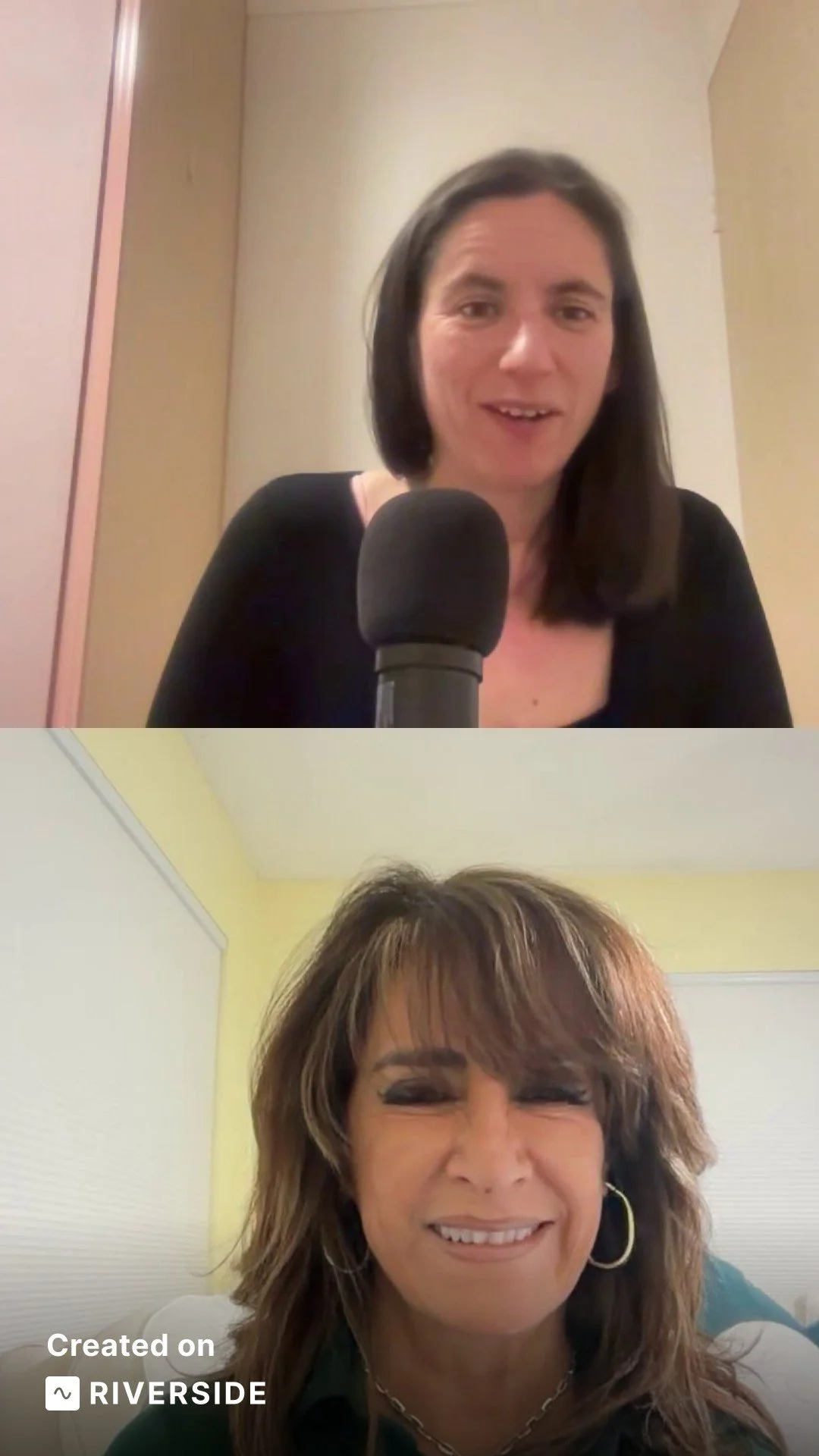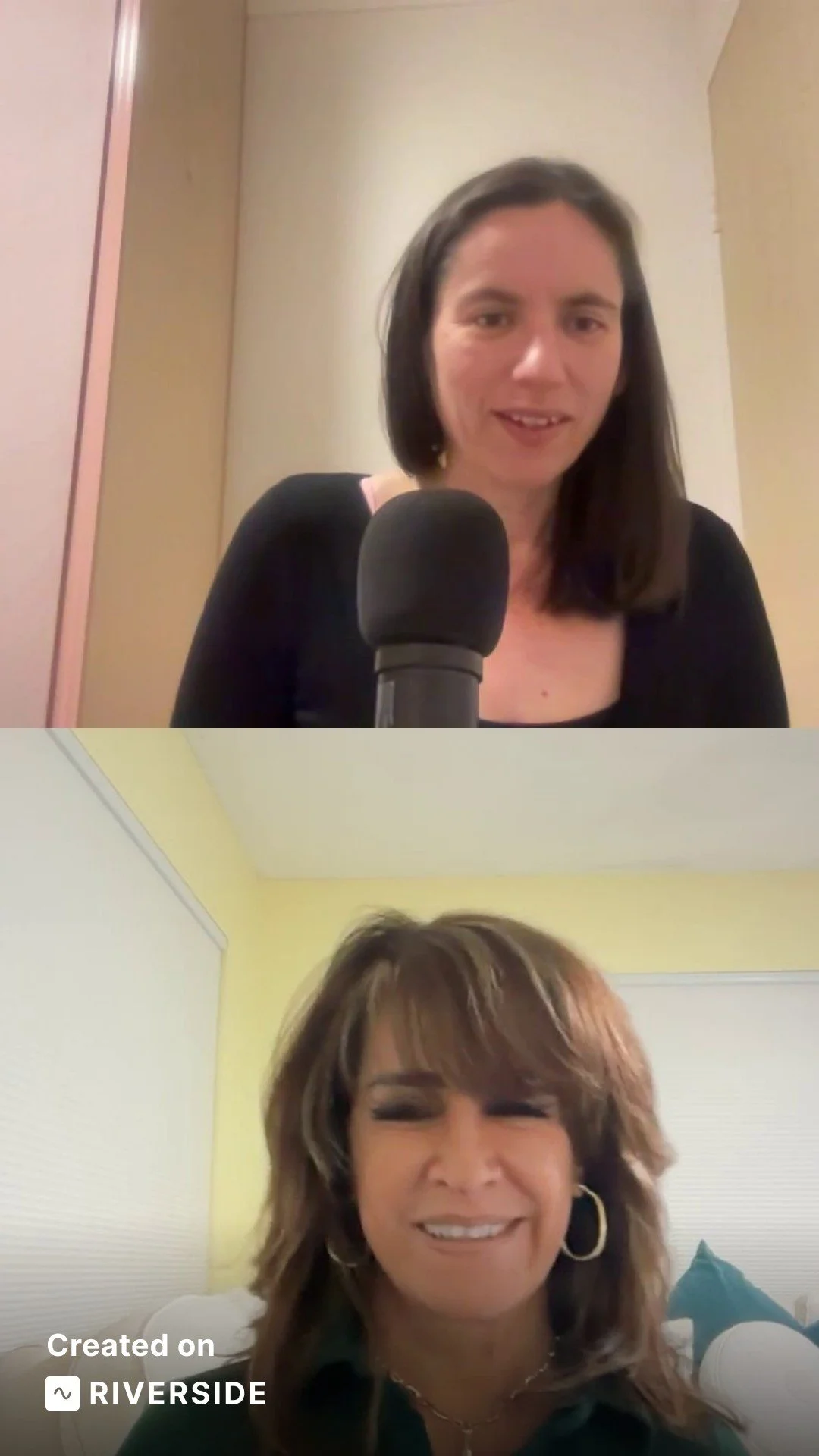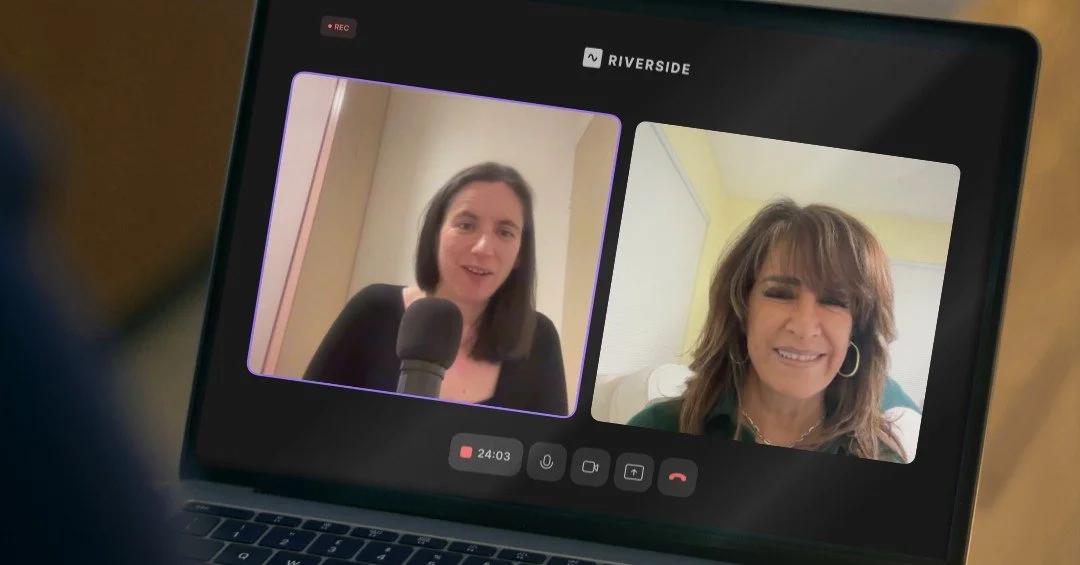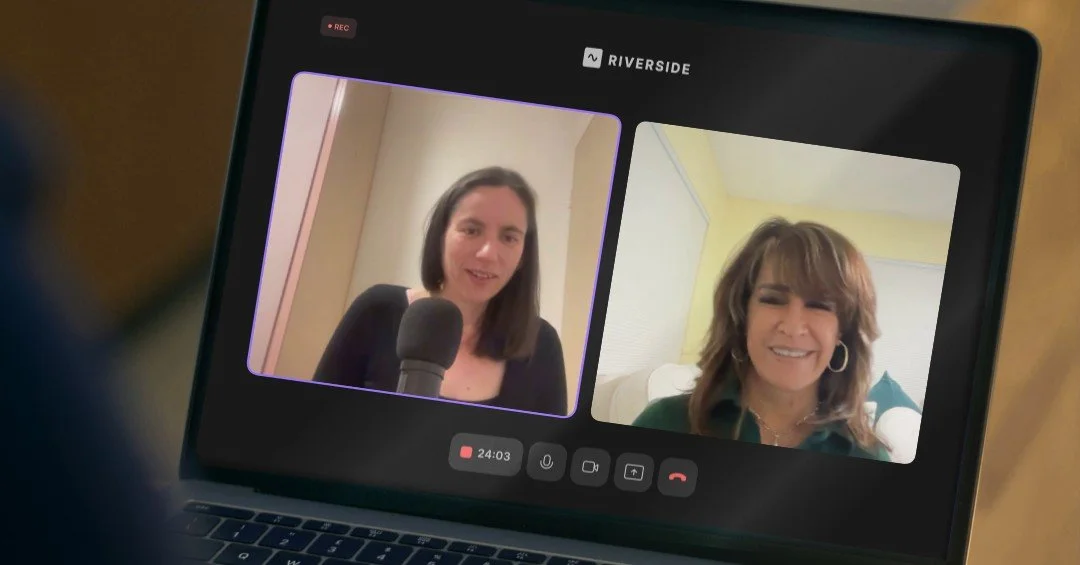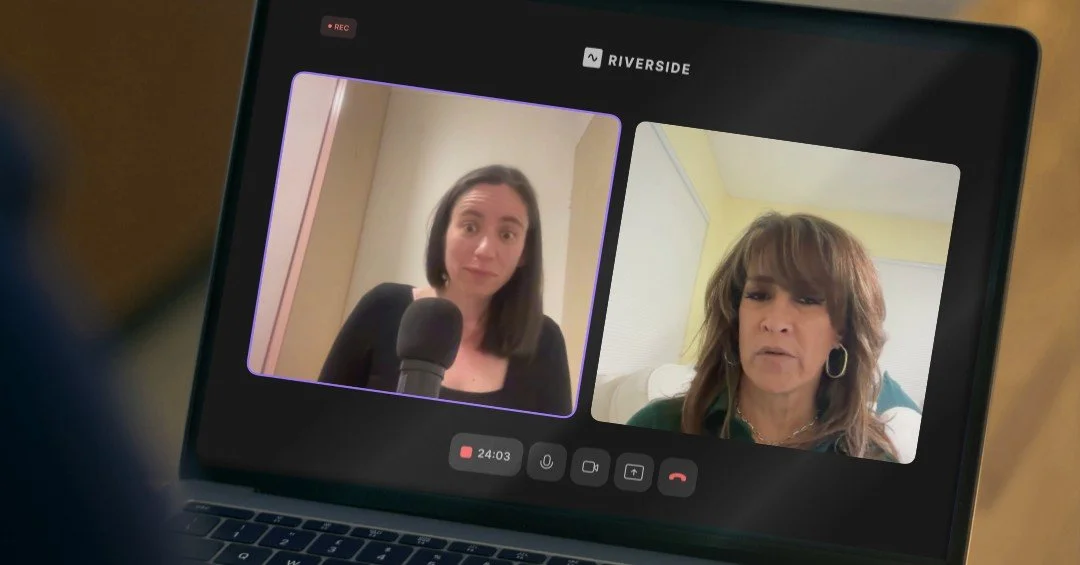
Karen Lau on Discipline, Purpose & Leadership


Podcast episode available from August 2026
Show Notes
Table of Contents
Guest Bio
Karen Lau spent seventeen years as a corporate consultant specialising in leadership, team building, and quality management before pursuing a master's degree in behavioural science to explore the neuroscience behind self-awareness and conflict. She now works as a life and business coach, helping individuals and organisations understand the link between self-awareness, discipline, and results.
[Placeholder — please confirm final bio wording, credentials, and website/social handles before publishing.]
Episode Overview
Karen Lau joins Melanie to unpack what itreally takes to lead, build a business, and know yourself well enough to do both sustainably. Drawing on nearly two decades in corporate consulting and her later training in behavioural science, Karen shares her framework for understanding people across four dimensions — mind, heart, body, and soul — and why she believes entrepreneurship is ultimately about bringing people together around a shared vision, not just chasing profit. The conversation moves through leadership, workplace wellbeing, quality, self-confidence, discipline, and the personal story that changed how Karen sees setbacks entirely.
Episode Breakdown
Timestamps are approximate and should be confirmed againstthe final edit before publishing.
[00:00] Introduction to Karen Lau's background in corporate consulting and behavioural science
[01:24] Why people assume others see the world the way they do — and why that assumption breaks teams
[02:43] Navigating the human-AI relationship in modern work
[03:42]Why entrepreneurship should be taught alongside every career path
[06:31]Purpose as the foundation of results-driven leadership
[07:56] How leaders can recognise and reinforce what's working, not just what's wrong
[08:56] The four areas of the individual: mind, heart, body, and soul
[09:34] Supporting employee wellbeing without sacrificing performance
[10:15] The physiology of stress: how oxygen shifts from brain to body under pressure
[14:04] Extending care and quality to clients and customers, not just teams
[16:39] What "quality" actually means — and why it isn't about luxury
[17:20] First impressions and the 30-second read
[20:16] Why cold callers fail — and what genuine connection sounds like instead
[22:55] Starting a business: Karen's own path from employee to coach
[26:33] Self-confidence, competence, and "drinking your own Kool-Aid"
[29:26] Why you don't have to be good at everything — building a team around your gaps
[34:16] Attention span, habits, andthe discipline required to build expertise
[38:29] Karen's 3am routine and the compounding effect of daily discipline
[41:49] Melanie's own reflections on discipline, solo entrepreneurship, and showing up
[43:08] Anger and fear as the most costly emotions in a workplace
[47:20] Reframing "limitation" — dysfunction is not the same as limitation
[50:12] Karen's personal story: single motherhood, financial hardship, and the book that changed her mindset
[53:48] Closing reflections
Key Insights
On leadership and self-awareness Conflict often begins when leaders assume others share their worldview. Karen argues that real alignment starts with a shared vision and clear communication of purpose — not assumption.
On stress and performanceKaren points to a physiological trade-off: in a calm, high-performing state, the brain uses roughly 20% of the body's oxygen intake. Under stress, that balance shifts toward the body, leaving less available for cognitive performance — one reason chronic workplace stress erodes results.
On quality Quality isn't about luxury or polish — it's about whether something fulfils the purpose it was designed for. A clean, well-organised space can reflect just as much quality as an elaborate one, depending on what it's meant to deliver.
On discipline Karen's daily routine — waking at 3am to read and clear desk work before 10am — reflects her core belief that consistent, repeated action (not motivation) is what separates people who reach their goals from those who don't.
On reframing hardship Karen distinguishes between limitation and dysfunction: a challenge (like partial sight in one eye, or a season of financial hardship) doesn't have to define capability. What changes outcomes, she says, is attitude — a lesson she credits to a single book she read during one of the hardest periods of her life.
More from The Motivate Collective
Join The Motivate Collective community for more conversations, events, and resources built around growth, wellness, and conscious living: www.motivatecollective.com


Transcript
Karen Lau (00:01)
For the longest time, seventeen years, I worked as a corporate consultant, and the company that I worked for was basically centered in providing leadership, team building, and quality management. During that time, I learned that the individual is the centre of change at any organisation.
So I started working with neuroscience, and I went back to school and got a master's degree in behavioural science because I started noticing that if a leader doesn't know himself or is not self-aware, that's where a lot of conflict happens.
Melanie Suzanne Wilson (00:47)
Karen, welcome so much to the podcast.
We're going to look at entrepreneurialism and also leadership. These topics are so important for everybody. Whether someone is leading a community or a business, creating their own business, or working in a job, working with other people, it can be a handful. It's not necessarily easy. What have you seen with people's challenges and successes with
Working together.
Karen Lau (01:24)
One of the things that it's very easy to perceive is that we expect people to see the world under the same spectrum that we do, and we have to become aware that that is not possible. Every individual carries behind a culture, paradigms that were created since childhood. So working together requires
First of all, a vision that will bring us all together. And when that vision is clear, if you have to establish certain processes at a business, for example, you have to have strong training so that people can understand what is it that we're pursuing and how we should pursue that.
Melanie Suzanne Wilson (02:19)
Absolutely. That's something everybody is facing now in some form as technology is changing. We are all needing to learn how to use technology, how to understand it, and figure out where we fit alongside technology. Have you seen people exploring that lately?
Karen Lau (02:43)
Yes, with artificial intelligence we we are being challenged. We are being challenged between that gap where we accept everything that artificial intelligence tells us in the part where the human being brings their own experience, their expertise. So we have to have that ability to interact with technology so that we can bring the best to the table.
Melanie Suzanne Wilson (03:14)
Absolutely.
Karen Lau (03:15)
I'm a strong I I'm a strong believer
that you cannot take away the human part out of the equation. we need still need that intuitive participation that only comes from the heart and the mind.
Melanie Suzanne Wilson (03:33)
For sure, I agree. You also have looked at entrepreneurialism. What's your perspective on that?
Karen Lau (03:42)
I'm totally convinced that every career should have that part included where we train students on how to do business. It doesn't matter which career anyone pursues; we need to understand how to manage in the first place, how to lead and how to make it profitable because everything is oriented towards results. And
Entrepreneurship is about results at the end of the day.
Melanie Suzanne WIlson (04:18)
It is. It is. Because if we're creating something but it's not bringing a return on investment, then we are losing something instead of growing something.
Karen Lau (04:32)
It goes everywhere if you are a st student and you don't understand that being a student also represents bearing results at the end of the day. If you already started positioning yourself towards the future. So one of the most interesting things is that we don't understand money.
Money is something that needs to be understood under the right perspective. If we are too attached to money, then there are areas that we leave behind. For example, I am a strong believer that once you trigger that right b motivational button in people, it's not strictly related to money.
That's when productivity starts happening. Humans, we need to understand which is our role is in the position that we're sitting at in every business that we participate in. We need to understand the value that we bring to an organisation. And once the leadership is capable of just bringing that to the to the ground, everything changes. So entrepreneurship is much more than just making money. It is more about bringing people to bear results under the right motivation and have them see themselves as part of something bigger than just the individual.
Melanie Suzanne Wilson (06:25)
It sounds like purpose is an essential ingredient.
Karen Lau (06:31)
You said it well. That's a criteria that I strongly share with you. And that's what we've been doing in the different type of businesses that we that that I've been engaged into. And in that part of my career as a life and business coach, the first thing that I learned was that the individual is critical for leadership; the individual needs to see itself as part of the team in which role they can purposely occupy before they start bearing results.
Melanie Suzanne Wilson (07:17)
Like to ask you about how leaders can evaluate individuals in a way that can actually improve results. I ask that because some leaders only focus on what is going wrong or what should be better. And I don't know if everybody has learned to also highlight what's going well so people know.
Firstly, that they are providing value, like you say, but also that there's something that should be continued and maintained, perhaps strengthened.
Karen Lau (07:56)
Correct. I I I always compare everything I do to nature. When we have the right soil, it's easier for the seed to, you know, just prosper and then for the plant to bear fruit. So we have to provide the right environment. We as leaders have to provide the right environment for people to thrive.
And that's one of the strongest responsibilities that we have. And when we talk about environment, we have to remember that an individual, as far as my criteria goes, has four areas that are critical. That is, you know, the mind where we carry a lot of information, the heart when we hold our emotions and the body where we're you know it's it's the instrument that we use to perform and then we have the soul which is where we discern between good and bad so as leaders as people that are working on on making economy right the first chore that it's important is to realize how are we understanding the individual in those four areas that are critical for a team to be integrated in in the right way and for people to perform in the right way.
Melanie Suzanne Wilson (09:34)
I agree. I've been very concerned and interested lately in how workplaces are supporting health because we know that if well-being, self-care, and health- those sorts of habits are supported in a way that still aligns with productivity and ROI return on investment then it's a win-win on both sides. Have you seen that happening? Or are there some organisations that have yet to see the benefits of supporting self-care?
Karen Lau (10:15)
I have some facts that are important for this topic. When we are at a best level of performance, our brain uses 20% of the oxygen we intake, and the rest of the body uses 80%, which is a perfect s state of being. We're healthy, we're thriving. But
When we are in an environment that causes a lot of stress, that immediately changes, and the oxygen that is necessary for the brain to perform goes to the body because the body demands the strength to perform. And then there's a condition in which people start feeling sick. It is very important to recognise that the brain is our performance software and it is tied up to the general well-being of our body. So health is critical for the working environment. The healthier our employees and our leaders are, the better we perform. The less stress we have, the healthier we become. And stress is produced when people are not understanding their their role, are placed in the wrong position, they might not have the right skills. So the majority of health condition is psychosomatic. It's they start in our mind, right? And then they are reflected in our body by perhaps being very tired, we start having headaches, we start having digestive problems, our nervous system starts to collapse. And we have to become aware that health starts with having that perfect balance where the individual understands his or her position and is happy with that role that he or her are playing.
Melanie Suzanne Wilson (12:35)
Absolutely. It comes back to purpose. You're saying that the brain is going to affect our physical health.
Karen Lau (12:47)
Correct. Correct. A hundred per cent. And it's so fantastic that we have technology because in the past we couldn't understand where the origin of our health problems were created, but now that we have the ability to scan and to understand where the problem is related to our electromagnetic field and how the heart is performing in relationship to the brain, we have more visibility to understand at a deeper level that health is critical. And we spend 80% of our time at work. That's a lot. 80% is a very high percentage. So being that the majority of our active time is spent at work. Entrepreneurship is part of entrepreneurship is understanding that we have to provide the right environment, and we have to understand the individual to do that.
Melanie Suzanne Wilson (14:04)
The right environment. Does this extend to also other stakeholders like customers, making sure that anyone we interact with is seeing how they are valued and seen and appreciated as individuals?
Karen Lau (14:24)
Absolutely. I appreciate that comment because everything we do is integrated. Everything we do. Cli when when we do not consider the well-being of our clients, we're leaving behind a lot of profit. And everybody's looking to be profitable, even in time or resources or money, whatever you want to call it; we want to profit.
So part of that will be goes to a term that I'm very fascinated with, which is quality.
In the majority of the time, we think quality is observing very high standards. But quality is just the ability of an object or of a program to comply with the purpose that it is designed for. So if we have a client that is supposed to buy from us
Salt, and he comes to our store, and he doesn't find the product that we're supposed to provide because we advertise that we're selling salt, then the quality of our performance is falling right there. And the well-being of everybody is already failing, and it's being affected by that criteria.
And that's the exciting part of training, because we come to terms with what quality is at the same time. For example, there are businesses that cannot have exciting premises with carpet and beautiful furniture because they are not designed for that, but they can be totally clean and organised, and that's quality in that environment.
So when we interact with our client, we are providing quality at the level of that business.
Melanie Suzanne Wilson (16:39)
Can we also enhance the quality of our organisations or our brands by considering how we present ourselves when we interact with people?
Karen Lau (16:54)
So the human being is very perceptive. We were designed to survive, okay? And the first there's there's a saying: there's no chance to provide a second good first impression. So
Melanie Suzanne Wilson (17:19)
Yes.
Karen Lau (17:20)
When we present ourselves, we read each other in 30 seconds. When we see each other, we just need 30 seconds to interpret the individual that is across the table, across the screen. So that's a very short time to create a good impression. We are, in the majority of cases, not aware of how communication is critical.
And we read each other through body language. So the way we present ourselves, the tone of our voice, our image, the way we use our hands, the way we look at the eye, the way we smile, that is part of a strong need for training. That is part of quality, and that is part of impacting the people we are interacting with.
Melanie Suzanne Wilson (18:20)
It sounds like part of what anyone can do to improve the quality in their work is to, for example, stand up tall and wear something that will present their image in a more appropriate way and so on. Are these basics that we have all heard about? Are these basics an important step in improving our quality?
Karen Lau (18:49)
I think they're critical because when we interact with other individuals, we already have preconceived criteria of how we're going to accept or reject an individual. We already have it, and it's all related to the paradigms that we've been raised with or that are part of our culture.
What we communicate through our body is just so critical. One of the things that I've been training my people in is to smile when they are on the phone. And at the very beginning, they were like, What? Yeah, you need to smile. You're not seeing the person, but everything changes when the muscles of your face go up for a smile; the tone of your voice, the intonation, is critical. The pace with which you speak: if you're smiling, you cannot be that fast. And the other person on the other side of the line is immediately going to perceive that you're bringing something to the conversation that they cannot see but that they can feel. And that changes everything.
Melanie Suzanne Wilson (20:16)
I'm sensing that most people need some support in how to talk to people in a way that will create more success. The example I can think of at the moment is I got a lot of calls from salespeople from gyms. Facebook showed me all these inquiry forms. I put my phone number in, then somebody rings me up. Next thing I know, someone is saying, Hi.
You send an inquiry; they tell me nothing about what they can offer; they sound hesitant. I'm wondering, I can't be bothered with this. I hang up the phone. People don't have an opportunity to learn how to talk to people to create quality. Is that one of the first steps in every workplace?
Karen Lau (21:12)
Have you ever been at a crowd, at a very crowded place, and someone somewhere calls your name?
Melanie Suzanne Wilson (21:20)
Yes.
Karen Lau (21:21)
Have you experienced that? The minute you hear your name, you turn around and start looking for the source that enunciated your name, right? So our
Melanie Suzanne Wilson (21:36)
Yes.
Karen Lau (21:37)
name is something that it's critical. And I think that the majority of the time when I get that same type of call, they don't know my name. But it would make a big difference if they would come to me and say, Karen. And then, you know, I will immediately react to the mention of my name. I would have an impression immediately. Right? So
Melanie Suzanne Wilson (22:06)
Karen,
you would feel seen.
Karen Lau (22:09)
There you go. And that's
Melanie Suzanne Wilson (22:10)
Is that right?
Karen Lau (22:10)
What that and that's what we want. I don't want to talk to a stranger that doesn't know me. And we're missing that. I think that one of my passions is training. Because everything changes for people when they are being trained; they become self-confident. Because not only do they know more about themselves, but they know more about their product.
They know more about the other person because that is part of proper training, having that whole vision and understanding of the different processes that are part of whatever business you're doing.
Melanie Suzanne Wilson (22:55)
Right, right. I want to pivot a bit now because you have a business as a consultant. I'm curious if someone is wanting to start a business of any sort to be more independent instead of doing the same work for someone else, where should they begin? What is the first step?
Karen Lau (23:18)
It happened to me, and I c I can truly refer to that. I started working for somebody else. And the way I approached the person was, you don't have to pay me the full amount. I'll pay; I'll work for you for half or for one third. Just give me the opportunity. I was already a hundred per cent convinced that I wanted to be a coach, that I wanted to be a trainer.
So I was willing to explore the opportunity of working for someone that already had that expertise so that I could learn. That's one of the things that I have always taught people: find a mentor, for example, find a mentor. And if you have to work somewhere else, find a mentor and stick to that person that knows more than you. It's like a sport, you know. People that are very good at what they do. They have a coach, they have a mentor, and they repeat the same actions every single day until they're the best. And when you're trying to have a business of your own, you have to become very much aware that you will have to compete at anything you do. If you're if you're
Melanie Suzanne Wilson (24:44)
Yes.
Karen Lau (24:45)
gonna be a baker,
If you're gonna be a restaurant, if you're gonna be a cleaning company, it doesn't matter. You will have to compete. Do you have what it takes to compete? Because the world out there is very rough. It's very different when, at the end of the month, get a check. You know, get that you work for somebody else.
The check is going to be there for you at the end of the month. But when you want to start something that is yours, your own business, you have to produce. And for people to hire you, to trust you, you have to show that level of confidence in whatever it is you choose that you're doing. And that's a game changer. And let me share something with you: it's critical.
Self-confidence- and this is funny; I read it somewhere, I don't remember where- but it said if you tell a lie, but if you tell it with a lot of confidence, people will believe you. Not that I'm saying that we should tell a lie. What I'm trying to convey is that we need to be convinced that we know what we're doing. And of course, we were talking about results if we don't know what we're doing, the results are not going to be good. But if we are very certain of our performance, of the service we're providing, of the assets we can bring to the table, that's a game changer.
Melanie Suzanne Wilson (26:33)
We have to drink our own Kool-Aid.
Karen Lau (26:36)
That's a perfect illustration, yes.
Melanie Suzanne Wilson (26:42)
But it also sounds like we need to both do what we do well, but also sell it well. Is it a matter of everybody needing a sense of marketing and sales? And I asked that because I for a long time focused on content. I knew how to make people aware that there's a difference between letting people know you exist and convincing people to buy something, right?
Karen Lau (27:09)
Yes. So I know that I cannot do everything. I know my limitations, but I know what I'm good at. And if you ask me if I feel that I if I feel that I'm successful, I believe I am. And of course, if you call yourself successful, which are the parameters? And I think that if we are gradually increasing in well-being in every area of our life, that is success. I truly do not compare myself to others. But I believe that I can really measure where I was and where I am and where I want to be continuously. For that to happen, for that increase to happen, you cannot do it by yourself. So let's say I can; I am a good coach, but I'm I I'm very far away from being good at marketing my services. I am not the best person to market my services. I need someone to support me in that area. You mentioned before that my website is under construction. And it is under construction because at the very beginning I did it myself. And it was the most terrible thing that you can imagine because I'm not a web designer.
I'm not that. So right now I have a team of people that are working on my website, and I'm just amazed to see how different it is from what I try to do myself and what I'm now building with people that are experts in that field. So we need to understand that if we want to really thrive and get to where our vision is.
We need to team up with good, good people that know what they're doing.
So we need people that are experts in marketing, in design, and in the different areas that we do not call.
Melanie Suzanne Wilson (29:26)
We don't have to be good at everything. We need to focus on our strengths and find the people who fill in the gaps.
Karen Lau (29:33)
There you go. Yes.
Melanie Suzanne Wilson (29:37)
This is a great source of compassion because every individual has a different set of strengths, right?
Karen Lau (29:45)
That is correct. And I believe that we might be singular, and that's a great thing to be singular, because every individual- nobody would be able to duplicate who you are. Every individual has their very own assets, their very own personality, something that they can bring to the table. You know where everybody gets lost?
Everybody gets lost when we try to imitate and try to be like somebody else. When we try to dress like somebody else. we we lost a lot when we lose sight of that individuality, that singularity. When we truly understand that this is the hair with which I was born, and it's okay. I don't need to compare myself to any other people.
But I need to find that special part of me that can contribute to others. And I love the word that you use, compassion. First, we need to be compassionate towards ourselves. We become very critical. Don't you think so? That we become very critical of ourselves.
Melanie Suzanne Wilson (31:02)
For sure. A lot of people say that we are our own harshest critics. That's probably true for most of us.
Karen Lau (31:11)
Yes, and when we do that, we usually go to that monkey chatter that is in our brain. And a very interesting fact is that the majority of the time, maybe seventy per cent of the time, the brain is just, you know, boiling with a lot of thoughts, but not with a lot of accuracy. Accuracy comes from repetition.
So we can just understand that we're good at it and convince ourselves when we start doing something and we do it again and we do it again, and we can progress in that routine. And then even our brain and the monkey chatter that we have right there starts calming down and understanding. Let's let's let's mention a doctor. Gosh, this guy is a great dermatologist.
He just takes a look at your skin, and he knows what's going on, but that only happened because he's looking at people all the time and he's looking at the same spot, the same disease, and now he knows he can recognise that. And then the brain has a structure to go to continuously, and then doubt starts dissolving mentally. So compassion, we have to work. This doesn't come
For free; we need to train and retrain ourselves. We just had the World Cup, the Soccer World Cup, and we were able to enjoy those athletes that were amazing, right? They were amazing. And now with social media, we can see their lifestyle. And it's interesting how they would say, I just wanted to eat pizza, but I don't. Because they are so focused on obtaining that level of perfection to be the best in their field. So the same thing with us. We need to be compassionate, but we need to be strong and active and consistent in pursuing that level of excellence. You know what is very difficult nowadays is to concentrate because we have all the social media. We have a phone in our hand.
It has the ability to distract us. So our attention span has been reduced to the minimum. And for anyone that has to that that is willing to establish their own business, they have to recover that attention span. To become an expert in something, you have to dedicate yourself to the topic you're working on. You have to read.
You have to listen. So we really don't understand that we are computers. We are computers, and we process information or not.
Melanie Suzanne Wilson (34:19)
We are also creatures of habit, and you mentioned the routines of the athletes. You identified something that everybody needs to keep in mind. Because do you agree we need the habits that will create results over time? Do you see that some people want results instantly? And also people are
getting out of the good habits and then hoping to still get the same results.
Karen Lau (34:50)
You said it perfectly. And of course, a lot of people will try to become entrepreneurs. I've seen it myself. I've just been observant of that because they think it's easy. A lot of people want to start their own gig, and it's fine, you know, we all have that freedom to try. But the next thing they know is that it's not that easy. It's difficult.
You have to be very disciplined. You know, we're recording this at this time of the day because I wake up at three o'clock in the morning. And I do that because I just got into the habit of starting before everybody else. I check my emails, I read. So by 10 a.m. I'm done with my desk work. And when I'm done with my desk work, now I can start working on checking the market, selling more, but my platform is already taken care of, and it's a matter of habit. I've been doing this for years, 20 years of w waking up at this time of the day. So I'm ahead of a lot of people. I'm ahead. By the time someone is getting up at 7 a.m. I already did a lot. I already read; I already have a new input in my mind. And is this easy? No, it's not easy. But it changes everything you do. It's a game changer. I think that one of the best parts of being disciplined is that you see the results. I also work out hard at the gym, and when I'm walking on the street or when I go to the supermarket, people approach me, and they would say, You're so fit. And then the hours of torture that I have to spend every single day because I work out every single day are so worth it because it's visible. The results are visible. Same thing with anything we do if you're disciplined.
That's the keyword for everything. Discipline is the keyword. And I was coaching a young man, and I said, What do you think would be my greatest advantage to do this business that I'm working on? And I said, You are you already have that advantage because you're disciplined. And a lot of people are not. So you are already there.
Now you just have to go to the topic that you're choosing and become an expert, but you are already on the right track. So it's exciting to see that a lot of people already have it in them. They just need a little bit of guidance towards their vision, towards their goal. And that's the greatest part of aging. When you start aging, there's nothing wrong with the wrinkles, but there's a lot of advantage with the knowledge that you've collected through time and the experience you've gained. Nothing will give you that but time. And if we use that right and then we can share it with the younger generations, we're doing something good.
Melanie Suzanne Wilson (38:38)
We are. I appreciate what you said about discipline so much. I'm wondering, by the way, before I share my example, you said you get up at 3 a.m. What time is it now for this recording where you are?
Karen Lau (38:54)
It's five fourteen.
Melanie Suzanne Wilson (38:57)
In the morning.
Karen Lau (38:58)
In the morning.
Melanie Suzanne Wilson (39:00)
That's discipline. I
I would say it was six thirty in the evening when I started over here for this one, but what people don't see is that on the weekend I started recording at six AM on Saturday. There
Karen Lau (39:20)
There you go.
Melanie Suzanne Wilson (39:20)
There are some days when I will get home from working corporate and then log into the
The podcast to do more recordings at a time when someone else out in the world might be just watching Netflix. It takes discipline. I can share with you that I'm lucky to have the technology. I don't have an assistant or a team or a marketing manager. I'm my own assistant. I'm my own marketing manager. So the technology helps a lot. It's a lot more efficient than what it was years ago. However, it takes
Discipline to show up and talk to people. It takes discipline to sell what we do. In the example of that guy you were coaching. Whatever we are doing, do you agree? We need to show up more.
Karen Lau (40:15)
Hundred per cent. I was sharing with my kids. You already have a great advantage because you guys are disciplined. You already have that advantage if it's in you. So I believe that you're sharing with me that I was surprised that I could find that spot available in your podcast, and I was so happy because th this is the time when most efficient. And I'm thinking, I wonder where she's at that she's proposing this time of the day.
Melanie Suzanne Wilson (40:55)
Ride, where in the world?
Karen Lau (40:57)
yes. But I truly believe that the availability that you're offering in your schedule tells a lot about what you're doing. It tells a lot about you being there for your guests and offering a lot of options. So I could all I could read a little bit about you just by noticing that. So you are some steps ahead already.
Melanie Suzanne Wilson (41:28)
I appreciate that so much. The other thing that I give aside from the specific times in the day is that it does take emotional energy. This is one of the easier recordings because we're focusing on business and work in more of a strategic way. But I've had some recordings where people are sharing their traumas, people are advising.
On how any listener can overcome, recover from things, you name it. I've had therapists, I've had people who lived through serious abuse, you name it. And I'm not a therapist. I understand the mentality that a journalist needs to have, but this is a podcast. So holding that space, or even holding space for a founder to say whatever you want to say within what is comfortable. It takes a lot of giving and being present, but it's a great joy. I appreciate what you are doing because you are putting aside your time to share your great insights from so many years in business. I'm so grateful that you've been sharing all this wisdom.
Karen Lau (42:51)
Thank you so much. I appreciate the invitation. and I'm I'm happy you mentioned your other guests, because I think it's important that we understand the word trauma in the business world. So trauma is a mental disease. Trauma happens when, in a very critical moment, you go through a very critical experience, and you have a chemical change in your brain. And it's a spot right there that you go back to. So a lot of people at work in the business world come to you. Okay, you're the business owner, you're the leader, you're the manager. And they come to you with anger, for example. And they damage your working environment.
Because they carry very difficult behaviour. Anger and fear are the most difficult behaviours to deal with in the business world. Those are very critical emotions that are detrimental to great performance. So we cannot separate the individual from the results that we're trying to achieve. We cannot do that.
And we have
Melanie Suzanne Wilson (44:17)
Yes.
Karen Lau (44:17)
to learn to be observant of the behaviours that our co-workers have because Pareto's law establishes the 2080 percentage. Let's say we have 10 workers; two will be the leaders, and eight will be the followers. So let's say those two leaders one of them it's it's a it's an angry person. But he's a leader, and he's good and and and he's an expert in his field, but he's angry. We have to learn to notice those things. We need to pay attention, and we need to work on that. We need to know that there are venues to which we can con we can take people so that they can solve. It's very expensive to f to fire people. Turnover is very expensive. And that's why, you know, I became a life and business coach because training changes everything. I love being a mother. You know, I had three kids, and from the very beginning of their lives I was just observing that development of an individual, of a kid.
And observing how teaching people and training them makes an individual. And the lack of that training also creates the underperformance that affects us so much. And when we have those emotions at work, we have to have the tools to disrupt behaviours that cause less productivity. And we don't even know which is the source of our team being less productive. But if we have a fearful worker, he's not willing to take that risk; entrepreneurial environments require risk-taking. And I've seen that in my environment. I've seen how fear delays a lot of achievement because they don't take that necessary step because they're afraid. And fear: the majority of the events that we fear are only in our mind. They never happen. But it's a program that we learned in the past. And you know, it happens when we experience difficulty, and we were not able to solve it. So we come we become limited.
It's not that we are. We are not born with limitations. We are not born with limitations. We create
Melanie Suzanne Wilson (47:19)
Not.
Karen Lau (47:20)
them. No. We create them. Even people were the that have physical limitations, you've seen them. We have a lot of great examples of people that might not have an arm, but they are still living an outstanding life.
We might have dysfunctions but not limitations. We cannot function properly. It's like a car with a flat tyre, right? It might have a flat tyre, but that doesn't make the car dysfunctional. That can be fixed or compensated. So when I was little, one of my eyes needed to be treated, but, you know, my parents w were working in a very remote area. So I grew up with a problem in one of my eyes. So much so that, you know, when that age where you need readers started happening to me, I went to the doctor, and he told me something that I've never knew before. He says, Do you know that you only see with one eye? And I'm like, What? Yeah.
Your visibility on one eye is very reduced, but the other eye has compensated so much that the world for you functions with one eye and you function perfectly with one eye. So we might have things that do not perform perfectly, but that hasn't been a limitation for me. I never noticed that. Like when I play pickleball.
Melanie Suzanne Wilson (49:08)
Yeah, thank you
Karen Lau (49:09)
When I play pickleball, I cannot wear a hat or glasses because the peripheral of my sight is limited. I have to have no hats, no sunglasses, 'cause I need one eye to perform differently. So d do you see the analogy that I'm trying to bring to the table?
Melanie Suzanne Wilson (49:32)
Yes, we can do anything if we make adjustments and we don't let our quirks get in the way.
Karen Lau (49:42)
Correct. Correct. Even our body, our body is designed; if a kidney is taken taken you know, because of disease and you have one kidney, that kidney starts operating and functioning. And a lot of times people can survive with one kidney. Because the body is something so marvellous, so extraordinary. We have a beautiful machine.
Melanie Suzanne Wilson (50:12)
That is so good. As we sum up in the last five minutes, I can see that the common thread in all of your teachings, it has been about mindset. That we need to be disciplined, we need to persevere and not let our quirks get in the way. And we need to have a mindset of quality. Do you
Karen Lau (50:41)
A hundred per cent.
Yes, a hundred per cent.
Melanie Suzanne Wilson (50:46)
Absolutely.
Karen Lau (50:48)
A hundred per cent. So some time ago I found myself in a position I was a stay-at-home mom for the longest time. And then I found myself in a position where everything was changing financially. I found myself in a deep, deep hole, and I had my three kids.
I went through a very critical divorce, and a book came to me at that moment. It was a book written by John Maxwell. And it you know, the topic, the title of the book was The Winner's Attitude. God bless John Maxwell for writing that book. That book lay on my hands, and I started reading that book. And that meant it.
That day that I read that book, I had a change in my mindset. I discovered,
Melanie Suzanne Wilson (51:52)
Amazing.
Karen Lau (51:54)
I discovered that one bit of information, like you know, when they're typing, they're creating a computer program, one bit of information can really change the direction of that program. That day that I finished reading that book.
I learned the best lesson of my life. I learned that it was my attitude towards anything that would come my way that would build me or destroy me. And it is I, my life has not been like, you know, a gold carpet. My life has had a lot of challenges. I had emotional challenges, family challenges.
Physical challenges, you know, one-eyed person. And that doesn't matter if in your heart you have that inherent joy. Joy is not based on the circumstances. Joy is based in faith, in the vision that you have of yourself, in the purpose that you find in yourself. And
In discovering that singularity. And even if it's that I can bake the best banana bread, and I'm the best at that. And when I shared with you, you really enjoyed my banana bread. And I'm doing the right thing for Pitts' sake. Let's notice that we are gifted. It doesn't have to be big. Let's enjoy the little things that we can truly do up to perfection and step into that field where things start happening when your attitude and your belief in yourself start changing.
Melanie Suzanne Wilson (53:48)
Karen, that is the perfect inspiration and motivation to wind up on. Thank you for bringing all of us to the next level. Thank you.
Karen Lau (53:59)
Thank you for having me.