Podcast Episode with Renee Bell: Who Are You When You Stop Being Who You Were Told to Be?
Listen to the entire audio episode on this page on Spotify, Apple Podcasts, or most major podcast platforms.
Renee Bell
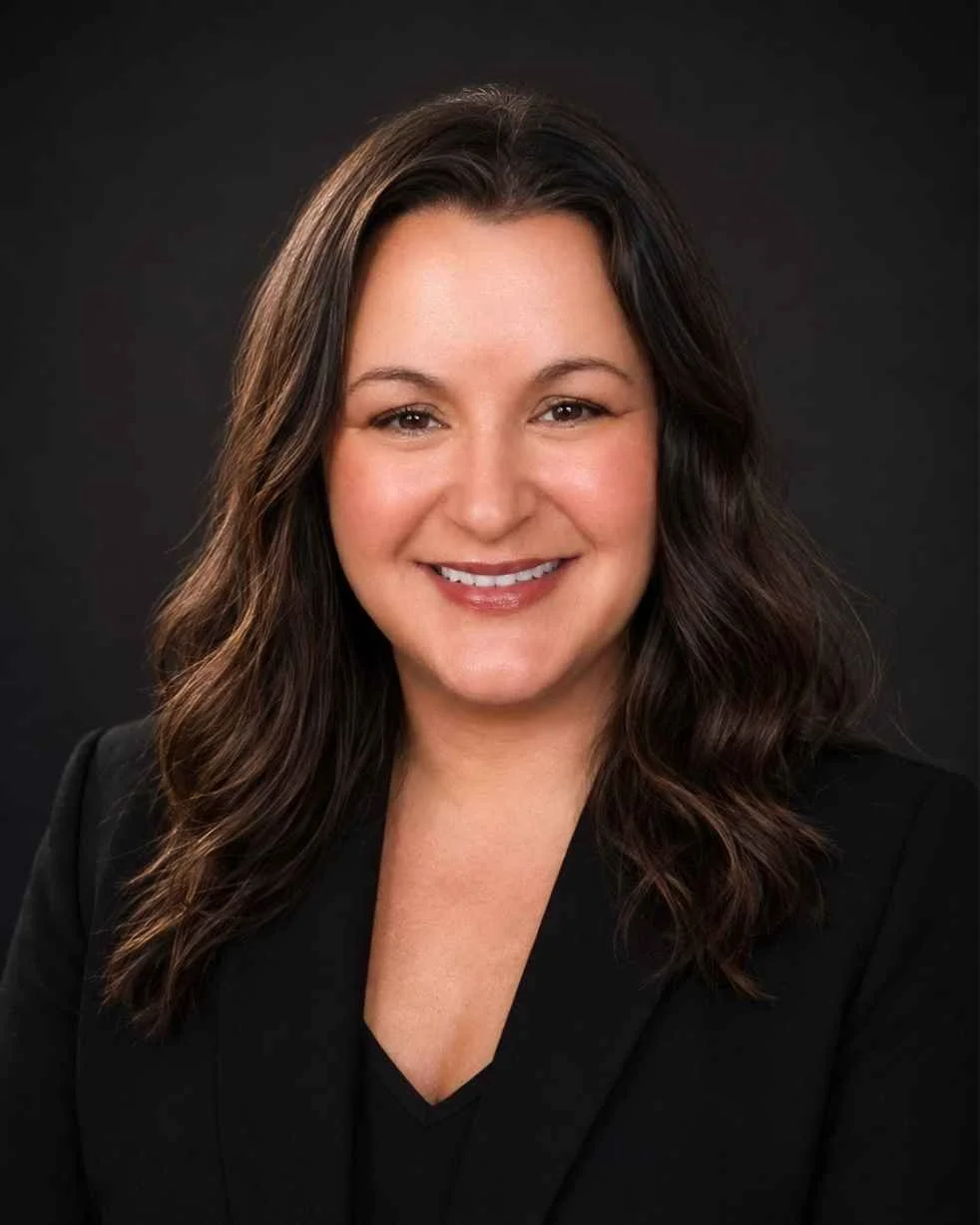
Renee Bell was told that writing a book and getting published was unrealistic. She was raised to focus on being a wife and a mother, and for a very long time, that's what she did. When her 17-year marriage ended in 2023, she had to move from staying at home with her kids into the workforce. In January 2025 she lost her home.
As she got back on her feet, Renee promised herself she would start doing the things she had always wanted to do. In January 2026, waiting in the car park of her daughter's dance studio, she opened the notes app on her phone and started writing a story that had been in her head for years. She wrote for at least 30 minutes every day, finished her first draft in July, received seven full manuscript requests, and walked away with two publishing offers.
Renee joins Melanie Suzanne Wilson to talk about the family letters that revealed her great-grandfather's relatives were displaced in Operation Vistula, why her YA fantasy novel is really about identity, losing a community when you change, writing around a nine-to-five and a long commute, and what she calls "delusional optimism".
THE MOTIVATE COLLECTIVE PODCAST
Renee Bell — Transcript
Host: Melanie Suzanne Wilson
Guest: Renee Bell
This transcript is auto-generated and lightly edited for punctuation and readability. Every spoken word has been kept as it was said.
Melanie Suzanne Wilson (00:00)
The computer, not the cloud.
Renee Bell (00:03)
Okay.
Are you ready? Good. Yeah. Okay. Yeah, so I actually just finished one set of edits, sent them back to my publisher, and I have been working on two other books, actually, simultaneously. I have one that is the sequel to the first book in the series that I that I wrote, and then I have another one that's kind of a standalone project that I've been working on. My my grandf—
grandmother was a genealogist, so she collected all types of family mementos and different things like that. And her first husband, my grandfather, his dad had preserved some letters that were all written between 1921 and 1958, and they were letters from his family in Poland. And through those letters,
we we were not able to translate them for a long time because they're written in a dialect called Lemko, which is kind of a blend of, like, Polish, Russian, Ukrainian. And it's a dialect that's specific to this one ethnic group in the Carpathian Mountains. Through modern technology, obviously, we're able to translate those things now because there's there's resources for that, right? So but we couldn't translate them before,
especially they were written in Cyrillic as well, so the Russian alphabet. And we discovered that my family was actually victi— victims of something called Operation Vistula, where they were forcibly relocated in 1947. And so I have a story now that's kind of based on my my personal family history that we've just recently uncovered, on top of my stuff that's being published in 2028. So…
Melanie Suzanne Wilson (01:50)
That is so fascinating, because we can learn so much from history, but also from family. Did you get more insight than if you were reading about something historical? Was there more insight because it was family?
Renee Bell (02:08)
Absolutely. You know, obviously during World War II, the letters from Poland to America s— kinda stopped, and so there was this long gap in the letters. And the first letter that was written after World War II was,
"Hey, your dad died," basically, to my great-grandfather. And it was very blunt, it was very kind of to the point, like, "Hey, this happened." But then the next couple letters after that, they're like, "Yeah, we were relocated, our house is really small, they took our farm, they took our animals, we don't have anything. Can you please send stuff?" And so it was the plea from the the family that had been displaced to this new…
to the people over here in the US, and it was this plea, like, "Can you send stuff?" One of his sisters had actually returned to the area where she… she wasn't allowed to do that, but she returned to the area because she had married a Polish man, so her last name was different. She was allowed to go back to the area, and she's like, "Everything's gone. The the farms have been razed," all this other stuff. But her daughter had needed some special orthopaedic shoes, essentially, and so she asked
my great-grandfather, "Can you please get these shoes and send them to us? 'Cause there's no way for us to get them." And so you hear these, like, personal stories, I think, that that come through these letters that you wouldn't read in a history book, right? You wouldn't read about families saying, "Can you send anything? Can you send coffee? Can you send something for us to trade? Can you send shoes for my daughter? Anything." And you wouldn't read about that. Yeah.
Melanie Suzanne Wilson (03:46)
It's the details. And that's fascinating, because you probably know more about writing long stories than I do, but when I learned about journalism, there were concepts like what's newsworthy, and there's the question of who decides that. And when you're looking at history, which is, I will guess, the opposite of news really, then you still have someone deciding which details are important. And I actually had someone…
look, I can't say much, but I had someone deciding recently that I say things that are irrelevant. But you find these little details where every little bit gives insight into the picture of how the world was. That it's mind-blowing hearing that your family lost everything. And
we can learn so much from these stories, right?
Renee Bell (04:48)
Right. Well, there's a humanitarian element to it, right? Like, that's what makes the stories human. That's what makes them real. And when you look at what happened during Operation Vistula, you know, the fact that just two years after the end of World War II, there was another ethnic group that was like, "Nope, you can't be here. We're gonna displace you and send you here. So you have to assimilate into Polish culture."
They they said, you know, "If we think that you're part of the Ukrainian people's army, we're actually going to repurpose part of Auschwitz," which nobody knows about. They repurposed part of Auschwitz, and they sent these men into… they they took these men from their homes and from their families. My my great-great-uncle Dmitri was one of them, and they took them to Zavarzno, which is Auschwitz, and they repurposed part of Auschwitz to hold these people.
Two years after the end of World War II. And you would think they would have learned their lesson, right? And so that's where you get these humanitarian details that that that people don't know, and they don't think about it. So you have history, which is pretty basic. You have news, but then you have these, like, "My gosh, these are real people with real stories." And it becomes this… it becomes this
beast of its own, really, you know, when you have these people with these… these are very real stories that people just don't talk about.
Melanie Suzanne Wilson (06:18)
People don't… I had no idea that that had happened after a World War II.
Renee Bell (06:24)
Yeah, a lot of people didn't, because there was only about… and I say only, there was only about 150,000 of the Lemko people, which, in comparison to what had happened during the war, where there was six million people, it it almost seems minor, right?
It almost seems minor, but it's not minor when you think about these people who lost their culture, they lost their history, they weren't allowed to practise their religion, they weren't allowed to use their language. They were basically forced to assimilate into Polish culture or go to the Ukraine. Those were basically the options they were they were given.
Melanie Suzanne Wilson (07:04)
That's… it's so much to digest, because what I'm hearing is that history does repeat itself. And honestly, look, I never want to look like I'm wearing a tin hat, but but it feels like if we ask questions about what's going on in the world and what has gone on, then
then that's perceived a particular way. But then we hear about things like that that happened, and I'm wondering, let's look at the journey then of how did the family bounce back after all of that?
Renee Bell (07:52)
Yeah, so unfortunately, there's a lot that I don't know. I do know that I have descendants of that that line living in the same place they were displaced to, but there were people that were kind of lost to history, at least on on our records. Like Olena, she was… the last thing that I heard write about in the letters was she was living in a displaced persons camp in Germany,
because she had been sent to Germany during the war as a as a worker, essentially. She was, you know, sent over there. We have Katrina, who went to Russia. She actually just went to Russia. I don't know what happened to her. Dmitri, Olip, Jose… where's Joseph, depending on whether you're doing the Lemko name or the Polish name, right? And their mother, Anna, went to another city.
But everyone kind of scattered. So we have people who ended up in Canada, people who ended up in the US, people who ended up in Russia, people… and so it's kind of scattered. And so the line, the through line that I have record of, is just my, you know, great-great-grandfather John, who was living in New Jersey during all of this.
And he was just basically getting letters. That's that's the through line I have, as he was getting letters. And so it it becomes one of those things where it's like, I felt like I had to tell that story. And that that's not the one that's being published in 2028. This one is a while out from being published, but I felt like I had to tell the story, because it was like, this is the legacy that was left. And so I have created… it's a fiction novel,
using those historical elements, using the family names, using the facts that I know about what happened to them and the rest of the Lemko people during this time. And so it was something that I felt like I had to tell this story to kind of help them live on, because I've lost track of so much of that legacy.
Melanie Suzanne Wilson (10:03)
It's it's lost.
Renee Bell (10:05)
Yeah, it's lost. I don't know where they are.
Melanie Suzanne Wilson (10:09)
That's something we can't take for granted, that people do end up simply erased in the records. And you would think that was, yes, easier back in the days when things were on paper instead of digital, but then we're seeing now that social media accounts can be deleted with the click of a button as well.
Renee Bell (10:38)
Absolutely. And I think, too, you know, we we think about… we think about that, but remember that not everything was digitised. There was a lot that just stayed on paper and never got modernised. Now, with the help of, you know, things like MyHeritage dot com and things like that, obviously I've been able to trace some extended relatives, but I don't know their connection, and and I don't know the direct…
the direct line, right? We're just finding people. And I've been doing a lot of research on that, and I'm very grateful for the modern technology to allow me to reconnect. Because honestly, those letters went unread and untranslated. Really, my grandfather, Steve… well, Stephen, he didn't know how to read Lemko. So from one generation… so John, who did know how to read Lemko,
my great-grandfather… yeah, great-grandfather, and then Stephen, that he didn't know how to read it. So those letters, since my grandfather Stephen, those letters have gone untranslated all of that time. And so the modern technology has allowed me to kind of reclaim that connection to a family line that I had no idea that I had.
Melanie Suzanne Wilson (11:59)
Absolutely. Learning to translate, having someone who can translate, has been a big part of putting the puzzle together.
Renee Bell (12:10)
Absolutely, yeah. When… so that's my other book that I'm working on.
Melanie Suzanne Wilson (12:17)
And the other one, the…
Renee Bell (12:21)
Yes, so The Name She Was Given, or The Name She Is Given, we've actually changed the title. My publisher and I have changed the title. That actually started… it's been living in my head for several years. And when my marriage ended in 2023 after 17 years, and there were a lot of things that I'd always wanted to do, and writing a book was one of them. And I'd been told,
through high school, shortly after, you know, "It's unrealistic. Writing a book, getting published, it's so hard. It's it's something not many people do. It's unrealistic." And then the way I was raised, it was, you know, focus on being a wife and being a mother and doing all those things. And I did, for a very, very long time. So when my marriage ended in 2023, I kind of got
displaced a little bit. I had to go from staying at home… and I was a photographer and dance teacher on the side and things like that, but from staying at home, largely with my kids, and getting to spend all day with them and do all these different things, to all of a sudden having to go out and find a job in the workforce. I, you know, I went through sales jobs and I did all this other stuff, and it was very, very disconcerting for me.
I had a really… a really hard time transitioning into that. And in January of 2025, so almost two years ago now, I actually lost my home, and I had to send my kids to go live with their dad full-time because I couldn't afford to pay rent. And
as I was kind of coming out of that, you know, I stayed with a friend for a little bit. I rented a room for a little bit, just to try to get back on my feet so I could get some more steady work that wasn't commission-based.
And I promised myself that I was gonna start doing the things that I had always wanted to do. So things like solo travel, things like… well, writing a book. And I'd been kind of kicking that around in my head for a while. And in January of this year, in 2026, I was in the parking lot of my daughter's dance studio. I was sitting there waiting for her to be done with class, and I had this…
this story that had been in my head for so long. And I opened my notes app on my phone and I just started writing it. And so I started with the prologue, and I was like, "This is really good." And it became a little bit of an obsession. I will say that I… when I when I focus, when I lock in on something, it becomes a little bit of an obsession. And I said, "I'm gonna write at least 30 minutes every day. I don't care what… how tired I am, whether I feel like writing, what else I'm going on…
got going on. It's gonna be 30 minutes every single day." And for about three months, that was the case. After that, things started to get busier. I didn't quite write every single day, but I was at least doing four or five days a week, because I'd already built that habit, right? And I finished my book in July of this year, finished the first draft, which is remarkably fast for a… for a fantasy novel. And I was like,
"I… my gosh, I think this is really good." So I was sending it out to friends and people who said they would read it, and everyone's like, "This is amazing. This is really good." So I took some of the feedback that they gave, because there were some things they're like, "Hey, I don't quite understand this," and XYZ, and I revamped it. And I said, you know what, I… second draft, I was like, "I'm just gonna start submitting it. I'm just gonna see what happens," which is crazy, right?
I moved into my new place of April of this year. So and then by July I had done the book. So that was a big… a big step. And so I started submitting the book, and I got a lot of rejection right off the bat, right? A lot of agents rejected me. And I was like, "You know what? I wonder if there's a different way." And I took this idea: are there publishers that you can submit to without having an agent?
And I did a lot of research. And on my website, actually, if there's other writers and people that are listening to this, I… on my website, I actually have a list of over 140 publishers that I've compiled that you can actually submit to without an agent. And I submitted to both agents and publishers kind of simultaneously. At the end of it, I had seven full manuscript requests, so people who had said, "Hey, I like your pitch, give me more," right?
And I walked away with two publishing offers. And so this was such a huge thing for me, because just, you know, a year ago today, I was still living in someone else's house. I was still living in a room in someone else's house. I didn't even have my own place yet after everything. And I… I have a book deal. Like, I just signed my contract of…
Melanie Suzanne Wilson (17:48)
Okay.
Renee Bell (17:49)
…out…
less than two weeks ago.
Melanie Suzanne Wilson
Congratulations.
Renee Bell
And s— thank you. Yeah. So I just signed my contract less than two weeks ago. And it was just this crazy thing to be like, to go from…
I mean, I wasn't really homeless. I did have a place to live, but essentially I was renting a room from somebody. I didn't have my kids with me. I didn't have all this. And now I have a book deal. So my book comes out in 2028. So it's gonna be a little bit, but it's it's one of those things that is just like, I finally got to do all those things that everyone said, "Don't do it. It's ridiculous. It's, you know, it's delusional to think that you can do this." And it is, it's… but I call it delusional optimism.
Because when you can, like, look at that and be like, you know what, maybe it doesn't happen for all these other people, but what if I'm the one that it does happen for? And you…
Melanie Suzanne Wilson (18:41)
Exactly.
Renee Bell (18:42)
…just keep pushing forward.
Melanie Suzanne Wilson (18:46)
Do the creative project. Look, every so often I get someone on the podcast who feels like fate. This is one of those moments. I wish I could tell you the amount of the parallels, hearing what you have done.
Firstly, talking about your heritage. I haven't heard stories quite like that one for my family, but there was a point in my family tree where someone changed his name, his last name, from Abraham to something a bit more WASPy. And that stuck with me, because there had to be a reason. And then, you know, I could have been Melanie Abraham, but I'm not. You know, that's how history happened. And then
you had those family changes going on. I… people would be pissed off if I said how much I can relate to all of that. But then seeing that you have bounced back from all of this to now have a book deal,
that is going to inspire so many people.
Renee Bell (19:57)
I think, you know, I I don't… I won't ever be like, "I'm gonna be an inspiration," or anything like that. Like, I want people to be inspired by it, because there was a lot of things standing in my way and it it still was able to make it happen. You know,
my book, at its core, it it is a YA fantasy novel. So there's magic, and there's, you know, it's got some dystopian elements. So there's government control and, you know, hidden genocide and all kinds of crazy stuff that goes on with that, right? But at its core, my book is about identity. And it is the question of who are you when you stop being who society tells you that you're supposed to be? That's big.
And and I didn't realise, as I was writing it, how much of a parallel that was in my own life, right? I was told, "You're supposed to be the wife, you're supposed to be the mother, you're supposed to homeschool your kids." I grew up very religious, and so you're told all of these things. And when you're not that person anymore… yes, how do you find your real identity?
Right. And and so this book became… even though it is a YA, it's meant for teenagers, but I think it's just as important a message for teenagers, right?
It's it's it's about knowing who you… learning who you are, and being who you're supposed to be. Not because someone tells you you're supposed to be, but that, but that's because who you are inside. And I think at the end of the day, like, the stuff h— learning my family history and and doing all this stuff, I did not realise how much of a parallel my main character was gonna go through…
on on the same journey. Now, it's just the first book in the trilogy, so she's got a long way to go still. We've just figured out a couple things, but but I didn't realise how much of a parallel. And I hope that it not… I hope that people can read the book and be inspired by that concept.
I I don't necessarily think that my own story is super inspirational. I do think that I went through a lot of things and I figured it out, right? But at the same time, like, I want people to be inspired by the journey that's in the book, because that's really where the message is.
Melanie Suzanne Wilson (22:26)
The journey in the book, and of course that's what you want people to see. The journey in the book. Even that question of the identity, who are you when you're not what society tells you to be, that is going to be very powerful. I like how you are sharing that to a teen audience along with adults, because
so many of us got into adulthood and had those assumptions about what we needed to be, and it's kind of why we are where we are.
Renee Bell (23:01)
Okay.
Melanie Suzanne Wilson (23:02)
Pretty much. You basically spend a bunch of years ticking the boxes, and then a bunch of years trying to clean up the mess.
Renee Bell (23:11)
Yeah. And, you know, I wouldn't say I have so much… I have three beautiful kids. They're teenagers. My oldest just graduated high school last year. My youngest is 13. I'm… I have three teenagers. It's a lot. But the thing is, like, it… these stories are important for teens to hear, because as you as you grow up, you are told…
by society, and especially now with, like, all the social media and everything like that. Like, there's so many pressures about who you were supposed to be. And, you know, my my main character, she actually had to… you know, I always have my tagline. I say, you know, "14-year-old Aveline is dead publicly and by her own admission the moment she's offered the only alternative to her own execution, and that's becoming someone else entirely."
And so it's one of those things where she literally had to die to her prefabricated path to become who she was supposed to be. And it's obviously very literal in the story, right? She's not literally dying, dying, obviously, but she had to… she had to take on a whole new identity just to become who she was really supposed to be, not who she was told she had to be.
And so I think that very literal, that very clear death of the old person, you know, birth of the new, essentially, is such a huge message, because we a lot of times don't realise that we do have to kill off that old person. And that's very painful sometimes. We lose a lot. We might lose friends or family or connection, you know.
Growing up religious, you lose that whole community when you kill off that old person.
Melanie Suzanne Wilson (25:06)
Gosh, is that what happened for you? Did you lose a community when you became something else? Someone else?
Renee Bell (25:14)
Absolutely. You know, I went to Bible college, which I don't know if you have those in Australia.
Melanie Suzanne Wilson
We do.
Melanie Suzanne Wilson (25:22)
Did you go to…
Renee Bell (25:24)
It was a very fundamental, conservative Bible college, where, you know, they didn't even have math classes. Like, it was… like, it was… like, you went for Bible. So you, you know, you majored in Christian education or preaching ministry or music ministry in… so, like, it was a very interesting thing. And,
especially with the political climate over here in the US currently, killing off who I was caused me to lose a lot of connections, and I I walked away from a lot of connections, because they were not… they were not based on who I currently am. They were based on who I was 20 years ago.
That's, you know, that's not the same person, right? So, but you do lose a lot of community, you lose… lose a lot of connection, you lose a lot. And I think it's really important to understand that that's okay.
Melanie Suzanne Wilson (26:26)
It is. I have so much sympathy that you lost that religious community, because I don't know what what spirituality you want now, but my experience… I saw a mix of both. So I grew up very close to a part of Australia that had one of the largest religious institutions in the world. And yeah.
And but I also grew up Anglican, which some people call that Church of England, and it was very much around that same geographic area. So very, very religious. But but I can say to you that my first divorce was… well, it was starting to unfold when I was 21, and then it was official within a year or two of that. So I had to very quickly
scrap that whole image of what we're meant to be. I'm sure you would have heard the same expectation of what we're meant to be. But I I hope you will find whoever you want for your community, whether it's spiritual or not. I've been really lucky, because in recent months I found people who are religious but also very inclusive of anyone, who…
whatever we have become. So I see the world changing, but I'd say, especially in some parts of the world, in some times in history, we have seen communities just not cope with someone changing. So let's hope that it can be more inclusive. But did you find your new people after all of that?
Renee Bell (28:16)
You know, I I have a few people that have been by my side for a long time. I have one amazing friend who… she's really been through this whole transition. She's been kind of that rock, that person that I've had. I will say that the writing community, for the most part, is very, very inclusive and very
supportive. And so as you're reaching milestones, "My gosh, I reached 50,000 words in my book," or "I did this," or "I finished my first draft," and you've got people cheering you on and kind of, like, encouraging you to keep going. And and so I have found that writing community. I I still have faith. Like, I'm not going to say, you know, I don't have faith. There's… it it's just a different shape than it was, right? And so I think
now my biggest thing is, like, I just want to surround myself with people who love other people.
Melanie Suzanne Wilson
Yes.
Renee Bell
And that's really what it comes down to. I just want to be with people who love other people. And and and if that's the extent of your religion, so to speak, then that's great. Because as long as you love the people around you,
to the point where you want to help them. You want to see people fed. You want to see people have medical care. You want to see people have all of these things. Like, that's who I want around me. I don't want people around me who think that, you know, feeding children is a waste of money. I don't want to have people… it… it's a US thing. They're trying to take away school lunches for kids. It it's… it's a thing. I… you know, we're just gonna ignore that.
Melanie Suzanne Wilson (29:57)
No, it's…
okay, look, hold on, I want you to be reassured. I've recorded with mostly Americans, and nothing shocks me at this point. But I will say, that light is turned on. I feel like my light has gone funny, but we'll just roll with it. But no, even I… I've heard some funny things, odd things, but I didn't know that people are trying to take away school lunches.
Renee Bell (30:22)
Yeah, you know, it it's a whole thing. I, you know, I just wanna kind of put that aside, because that's not really what the focus of today is, obviously. But I think it's just about, you know, finding the people who who make you happy. And, you know, here's the other thing, too. I have really great kids. I will tell you that. My kids are awesome. I might start… my… might tear up when I say this part. You know,
I was talking to my daughter, and we were driving along, and she sits in the back seat still. She never… she never really came up to sit up on the front seat. I don't know why, but she doesn't. We were driving along, and we were talking about the book deal and how this might change things if things go really well, right? Because we we do struggle. Like, financially, we struggle. I… it it is hand to mouth. Every week is like,
"Are we gonna make it this week?" Right. But I was talking about, like, "Okay, so we'll probably be speaking at your school at some point, because they always like to bring local authors in for that kind of stuff." And we were kind of talking about how this stuff might change, especially if I have to travel and all the other stuff. And she goes, "Mom, I'm really proud of you." And it just… maybe it's… and that's what I said, it might tear up, because it's like, that's really…
I don't know that I would have had the strength and motivation to keep going when my life fell apart if it weren't for them, right? So
to have your… say, "I'm really proud of you," when I've been through… sorry, excuse me… when you've been through everything that you've been through, and and they see… they see what you've been through. They know that they were living with their dad for a while, you know, because I could not afford to take care of them. They they're fully understanding of that.
And so to have them say, "Well, I'm really proud of you now," like, that is such a huge thing, because that's what we do it for, right? As a mother. Because a mother… you know, I didn't lose my identity as a mother when I got divorced. That's still part of my identity and who I am. And so it becomes one of those things where it's like, that's what you do it for, and that's where you're striving to go to:
make a life that your kids see. And they understand you didn't settle for less. They understand that you didn't settle to just stay in this spot. That you were like, "I'm gonna keep moving forward. I'm gonna keep moving up. I'm going to go after this dream. I'm gonna go on this solo trip. I'm gonna write this book. I'm gonna do this thing. I'm going to go find a house, and I'm gonna do all of these things"
that seemed, two years ago, seemed so astronomically far away.
They seemed so impossible. And so when when your kids see you making those steps, it is such a rewarding experience, because you know that now they're not going to accept less. You know that your kids are going to watch that and be like, "I don't deserve to be unhappy for the rest of my life.
I deserve to have what I want." So…
Melanie Suzanne Wilson (34:09)
And it's going to, in the long term, provide something for them. Yes, potentially money, maybe, but also it will provide inspiration. It will show them you can pursue a book deal, especially in this day and age. You can put yourself out there, be a presence. You don't have to be small. You can be present.
Renee Bell (34:36)
Yeah, you don't have to make yourself smaller to fit in anyone's box. And I think that's such a huge thing. Like, the publisher that I ended up going with, because, like I said, I h— ended up having two offers. One of the reasons I went with them is they are actually a subsidiary of a larger entertainment company that produces movies and shows. And what they have done is they said that they have a book-to-screen pipeline. So every book that they publish, they are trying to make into a movie or a show
in some way. So and they… they… the movies, I'm sure, that they've produced before are not small. They're not small indie, no-one-ever-watches-them things. These are things that are on network television and on big screens and things like that.
Melanie Suzanne Wilson (35:22)
Could guess. Right.
We can join the dots here a little bit.
Renee Bell (35:28)
So… well, and it's it's available on my website. I've actually been pretty… pretty open. So I'm with Storyteller Publishing, which… there's two Storytellers. One is a hybrid self-publishing company. One is the one that's a subsidiary of Curiosity Entertainment. And then so shows like Madam Secretary or Capone, those are ones that are pr— fair… fairly well known, right? And so they they pulled me into this
pipeline and said, "We we d— don't just want to see this as a book, but we see enough of the story in the cinem— cinematic. It's cinematic, and so we want to actually do something bigger with this." And so that part is still in the works. Like, that's not, you know, set in stone yet. But that is…
Melanie Suzanne Wilson (36:15)
That's amazing.
Renee Bell (36:17)
Well, and and to say, like, I have to wait till 2028 to hold my book,
but then it might be a movie or a TV show after that. Like, that's crazy to me. But to see that you can just dream big and you don't have to stay small. You don't have to stay, you know, in your tiny little box, because just because something's unrealistic doesn't mean it can't happen.
Melanie Suzanne Wilson (36:41)
Exactly. And these things could be the 1% or however many percent of people will actually get this. But what if you happen to be a positive version of minority, right? Sometimes where the minority where things go pear-shaped, and then where the minority where things go great. Your story could be the next big little lines. Who knows?
Renee Bell (37:11)
Yeah. And it it's one of those things that, like, if you don't… if I had never said, like, "I'm going to do this, because I've always wanted to do this," if I had never said that, like, this wouldn't be happening. It would still be the same story that's been living in my head for five years, and it would just be in my head,
right? I wouldn't have had these opportunities if I had just stayed in my… in my place and just continued. You know, I still work a regular nine-to-five. I have… I'm still a normal person. You know, I use my pen name because, you know, just… I want that separate identity, almost. But it's just one of those things where I have so much…
I don't know how to explain this.
I have so much love for that version of me when I was, you know, 18 and 19, who said, "I really want to be an author."
Because 18, 19-year-old me couldn't have written the book that I wrote today.
Melanie Suzanne Wilson (38:18)
Why?
Renee Bell (38:21)
It… she couldn't have, because she didn't have the experience. She didn't have the life experience to go for it, right? So sometimes it's like you have those dreams, and I could have written different books, right? Like, that… I'm not saying I couldn't have written any book, but I couldn't have written this book today without the path that I have been on all this time.
Melanie Suzanne Wilson (38:39)
Your…
journey informs your creativity, right?
Renee Bell (38:44)
Absolutely. Absolutely it does.
Melanie Suzanne Wilson (38:51)
How else does your journey inform your creativity? Are you… especially because you are doing a nine-to-five as well, is it forcing you to pace things out and accept that you can do it in more than, say, a few days? Are you… are you more at peace with letting it unfold however it unfolds? How… how's it different doing it now?
Renee Bell (39:18)
So I not only have a nine-to-five, but I actually commute about 60 miles each way.
Melanie Suzanne Wilson (39:24)
How much… that with minutes or hours?
Renee Bell (39:28)
With… depending on traffic, it can be anywhere from an hour and 15 minutes to two and a half hours each week.
Melanie Suzanne Wilson
My goodness.
Renee Bell
So I essentially work in a second… a second part-time job on top of my full-time job, which is just commuting. And I will say the biggest thing that I have ha— I have struggled with… well, there's actually two things, really, to it. The first is is that I almost have to say, "Today,
when I get home from work, no matter what else is gonna happen, I have to sit down and do this XYZ. I have to write. I have to create content. I have to be chronically online," because we are exp— you know, we're expected to market ourselves as well, on top of everything else.
"I'm gonna do this thing today, because I have to get it done." So even if, you know, I get home from work and I pick up my daughter from dance and then I make dinner and I have to put the laundry away and I have do this, it's still 10:30. And sometimes I'm like, "I promised myself I was gonna write today, and I have to do it." So I will do as much as I possibly can during that time. So if I only have a half an hour, I only have half an hour. But I do have to set aside that specific time.
Melanie Suzanne Wilson (40:45)
Absolutely.
Renee Bell (40:47)
The other issue that I have is, and the thing that causes me a little bit of burnout sometimes, is I actually work in marketing for my day job. I am a… I'm a marketer for a financial services company, and I understand marketing backwards and forwards. I've created a guide for authors to help market themselves, but actually executing that myself is so hard, because I am so burnt out, because I do it all day long.
I literally do… from nine to five, I am literally doing marketing for someone else, and the last thing I want to do when I come home is doing marketing for myself. And so… really hard thing. I…
Melanie Suzanne Wilson (41:29)
I feel that so much for you, but I'm wondering also whether it's quite a shift in mindset to turn yourself into a brand. It's hard, because, look, I was doing a version of a personal brand within community before, but even that's different, because I wasn't selling myself like a product. It feels almost dirty, the way I worded that, quite deliberately. Because you…
you work in marketing, you do marketing for products, services, someone else's brand. But then there's… do you find there's a massive vulnerability in turning yourself into a brand?
Renee Bell (42:12)
I do. And it's really interesting, because I find that, like, for example, on TikTok I've done very well. On Instagram, not so much. And it it's really interesting, because you have to kind of be like, "Okay, well, I'm this brand for this audience, but this brand… or this audience over here doesn't like this brand. So I have to almost become a different person for this audience over here."
And it's a little bit frustrating sometimes, because I do understand, like I said, I do understand marketing and how to do it, and how to analyse competitors and scrape and do… I… all of the things, right? But it is so… it it is very disconcerting to have to be able to put yourself out there, because I I'm not… I'm not… I don't like being on the camera,
right? I'm always a behind-the-camera pint kind of person. I'm like, "I'll build your strategy, I'll tell you what to do, I'll tell you what to say, but I don't want to be in front of the camera." And now I have to be in front of the camera, because people like to see your face when you're selling yourself. And I don't mean selling yourself in that way, right? But you are sell… you are selling yourself. Like you said, it's a personal brand. It's… they're not just gonna buy my book…
Melanie Suzanne Wilson (43:29)
They buying you.
Renee Bell (43:30)
…just because…
Yeah, because they're not just gonna buy my book just because my book sounds good, right? Like, they're gonna buy my book, or at least the… and that initial wave of people is gonna buy my book because the story sounds intriguing, but they also like who I am.
Melanie Suzanne Wilson (43:46)
This right here is the reason why there is no excuse for anybody to not put themselves online. Because you're a behind-the-camera type, you're doing this anyway, talking here, talking, I hope, elsewhere as well. And and…
Renee Bell (44:00)
I…
Melanie Suzanne Wilson (44:01)
I relate to that as well, because, okay, this podcast started in August last year.
I had been a guest in one podcast episode, almost accidentally, before that. But I had been talking to in-person groups, mostly community. I talked to corporate groups, pretty much anyone, but it was generally a room of, say, 20 to 80 people. Occasionally I did bigger things with a few hundred, but that was what I did. I talked to groups in person.
Nobody could look back on a video of that and say, "You looked this way, you sounded that way." And I'm wondering if you also feel a bit self-conscious about even seeing yourself and hearing yourself in a video. I feel like it's especially in this day and age, where we're w— sorry, where we're meant to be a bit Instagram-perfect. You know, we're both not wearing Lululemon here, right?
Renee Bell (45:04)
Right. Yeah. And it's… there is… there's a self-consciousness that comes with that. Like, I will look back at a video and be like, "My gosh, I look like I have a double chin," or… which, you know, I'm not… I'm not skinny, and that's okay. But, like, like, even now, like, when I was prepping for this, when we were on the other
software, right? When we were trying to figure that out, I was like, "My gosh, you can really see my wrinkle in the middle of my forehead here." I was like, "I hope… I hope this is just an audio podcast, because she doesn't have a video podcast going." Because I literally ran into the bathroom five minutes before we were supposed to and was like, frantically putting on makeup, because I was like, "I look ghastly. I look like…" you know, you can see. And so I was very, very concerned about my appearance, and
it's… that's why I don't like being in front of the camera, because I know it'll scrutinise everything.
Melanie Suzanne Wilson (45:55)
These cameras are very forgiving. So, look, you're probably using… I don't know if you have a laptop, something like that. I'm using my… I'm using a MacBook. It's very forgiving. I don't know if you've ever been in a photo shoot with a proper camera, but I find the good cameras put on a few pounds.
Renee Bell (46:18)
I actually used to work as a photographer. Like, when I was… when I was married, I did that on the side. That was one of my projects. So I have the good cameras, and I have all the stuff. And I spent a lot of time… I had a lot of people be like, "Okay, well, can you just, like, make sure that my wrinkles are not as visible? Or can you do this?" And there was a lot of people asking for Photoshop touch-ups and stuff like that, just in there. And I would… I would oblige to an extent.
I didn't ever want to pe— change who people were.
Melanie Suzanne Wilson
Yes.
Renee Bell
But, like, especially, like, teenagers, like, doing their senior photos, and they're like, "Hey, I have some acne, can you add…" Obviously I'm gonna edit that out, right? Because that's… that's not there. But I had a lot where people are like, "Can you make me about 20 pounds lighter?" And I'm like, "That's not who you are." But then I have to, like, tell that to myself, because I'm like… I'm like, I want to look
thinner and younger. I mean, I'm in my mid-forties. I just turned 45, like, last month. And, like, I want to look younger, and I want to do this, but it's like, that's not who I am. And if I am going to ask other people to be accepting of their own identity,
I have to be a little bit more accepting of my own. And so even with my makeup, I use a skin tint moisturiser instead of a foundation now. I have… you know, I don't use false lashes anymore. I I really do try to be a little more real, because I do ask other people to be real. And I talk so much about identity that if I'm completely plastered in makeup and fake, then I'm not really being authentic for what I'm asking other people to confront, you know?
So it does become a… it does become that curated… that curated persona that we see on on social media. And if people realise that it is a curated persona, it is not the real person that you're seeing.
Melanie Suzanne Wilson (48:15)
I don't think people want the real person, really.
Renee Bell (48:18)
No, they really don't. Yeah, I don't really think they do. But I do find that certain audiences are more receptive to it. For example, on TikTok, I'm actually much… like I said, much more comfortable on TikTok than on Instagram, because on TikTok, you know, I get a lot of my followers from going live,
from leaving a comment on someone else's thing. I can just, like, make a video with no makeup and whatever and just be like, "Here's this thing." I'm talking to the camera on my phone, right? And I'll just make this video and be like, "Hey, here's three things that I wish I had done before I started writing my first novel," and XYZ. And I can just talk there. There… over a thousand views, and I get this. And then I put out the same thing on Instagram, and it's like 60 views,
you know, less than a hundred, that kind of thing. And it's like, on TikTok, I do find that people like that more real persona, where Instagram is more the curated side of things. And I just don't know that I'm gonna be ready to do that. I don't really want to curate myself that way.
Melanie Suzanne Wilson (49:21)
Right. In a way, I… a
little bit of Instagram, and in my very, very biased opinion, I think Instagram can get easy with the curated side. I mean, when you do end up in a photo shoot where you are in it instead of behind the camera, you'll possibly be putting those up. But then maybe you'll have little clips from the
podcast, so it won't be live and totally unedited. You'll have bits and pieces. But whether Instagram gets the numbers or not, at least what I saw for this podcast is that some very loyal few followers really watch what goes on to Instagram, and it's so sweet. We'll see what sort of community format evolves, because, goodness, okay,
for the numbers here, I… I think I'm about to publish episode 113, 114, something like that. I'd have done four Euro the fourth recording today. So I'd say we're probably getting close to, you know, 120, but I have to really list them out. There are that many. So that's going to be a community in itself. Because I've kept thinking
it would be amazing to get most of you in one space somehow, to just see where the conversation flows. I mean, the other thing, we haven't talked about Threads. I don't know if you found this on Threads.
Renee Bell (51:00)
I did, actually. I'm new to… I'm very new to Threads. I've avoided it for a long time. I'm very new to it. But, yeah, I found this on Threads, and I was, like, looking for podcast opportunities. Just marketing brain. Like, "Hey, if I don't want to be on camera, maybe I can go on a podcast and talk to somebody," because I want people to find my book. Like, I'm gonna be real here. I want people to find and read and love my book.
Melanie Suzanne Wilson
Yes.
Renee Bell
It couldn't be real there. But I I do think that, you know, I think my story and the way I got here is unique enough to where I'm not just gonna go on a podcast and be like, "I wrote a book, please read it." Like, here's why, right? And so I found this on Threads. So, yeah, I was very excited.
Melanie Suzanne Wilson (51:44)
Done this perfectly.
Being real about your heritage, your own individual personal story, that has been an amazing way to connect with people for this book, and finding you in Threads. It's so cool. I don't know anyone who proactively scrolls through Threads. I don't think it's the destination, even as much as, say, Instagram. But for some reason, for this podcast, if you can believe it, one of the posts that I put up,
maybe it was the one you saw, one of the others. I've only done a few lately. Threads told me that posts reached 11,000 viewers. I do not understand that. So, look, there's something about Threads and podcasts. Look, I'm really curious to see how you'll go if you keep putting something on Threads about what you're doing with your book. I'll be so keen to watch that, because I just found…
I think you'll find so many… we can record again and again if you want to, but you'll find so many podcasts. I mean, I seriously… there's a point where I did a post and there were 92 people who wanted to… I was like, "My goodness, I only have so many hours in the week." I… a nine-to-five… nine. But…
Renee Bell (52:53)
Right.
Melanie Suzanne Wilson (52:53)
Yeah, but it's so good, and you're going to get conversations about your book with people from all over the world as well. I hope you'll get to talk with someone in Europe about your book, and someone in wherever.
Because there's something very universal about the… the theme of redefining yourself, reshaping your identity. I mean, you have this… very especially with your other book, where you talk about the family history, it's so niche that, as we said, a lot of people didn't even know those things happened. And yet…
Renee Bell (53:36)
Right.
Melanie Suzanne Wilson (53:37)
I'd say especially now, at this point in history, post-COVID and so on, people are having this feeling of, "Okay, life is different now, and what now?" So your books are giving us permission to say, "Okay, you can be a new person now, and maybe that's where the world is bringing you."
Renee Bell (53:55)
Yeah. And that's what I hope for. That's… that's really my hope, is that I want my books to be more than just a novel. 'Cause both of them are gonna be fictional. Like, well, both my series… 'cause it's, like I said, the first one in a trilogy, and then the standalone, which, to be honest, I don't even know when that one's gonna come out, because I've got this other trilogy I'm writing right now. That's kind of taking precedence. But
I I don't want people to just read and be like, "That was a nice story." I want people to be able to read it and and find out something about themselves. Find out who they identify with. Find out why certain parts of the story resonate with them. Find out why… you know, I I have… it's YA, but it's a little bit grim. I have a couple fairly brutal scenes
that I… some of my beta readers had found a little hard to read, but they were like, "I understand why it's there." And so why does that resonate with you? Why does that bother you? Would this… would this bother you less if he were this other person over here, right? It comes back to that identity. Who are you? And so I… that's really what I want for the… all of my stories, is for people to find something about themselves in it.
We will…
Melanie Suzanne Wilson (55:24)
We'll see themselves… we'll see ourselves in… and…
Renee Bell (55:27)
Ha ha ha!
Melanie Suzanne Wilson (55:28)
…we will… I'm really looking forward to people hearing our conversation, hearing about your very real life, your honesty. I look forward to the show notes for this, because someone will also be able to flick through and see, "This is what happened in your life and your heritage," and then people can see your book when it comes out.
Renee Bell (55:52)
Yes, thank you. That's… it's… I've been… such an honour being on here today. And I will say, you know,
my… I have a website. I know that you're probably putting it in the show notes, but my website's on there. It's Welcome to Vireth, V-I-R-E-T-H, dot com. Vireth is the name of my fictional world that's… that I have created. But I have a blog on there, so I do share fairly regularly about the things that are going on in the publishing journey and my life.
And, you know, just fun little things. I do author features for other authors, where I will spotlight them, because I think it's really important to champion the people around you that are also on that same path.
Melanie Suzanne Wilson
Absolutely.
Renee Bell
People are welcome to come on there. They can read my blog, and I have a newsletter and all that fun stuff, too. So…
Melanie Suzanne Wilson (56:45)
We'll check it out. Thank you so much for talking on the podcast.
Renee Bell (56:51)
Yes, thank you so much for having me.
Show Notes
Content note: This episode includes discussion of divorce, financial hardship and losing a home, leaving a religious community, and the forced relocation and detention of the Lemko people in Poland after World War II. If you need support in Australia, contact Lifeline on 13 11 14. Outside Australia, please contact your local crisis support service.
In this episode, we explore:
1. Letters from Poland, written between 1921 and 1958, that went untranslated for generations
2. What personal letters reveal that history books leave out
3. Operation Vistula and the forced relocation of the Lemko people in 1947
4. A family scattered across countries, and turning that history into a novel
5. Divorce, losing her home, and the promise Renee made to herself
6. Starting a novel in a phone's notes app, and the 30-minutes-a-day habit
7. Agent rejections, publishers that accept submissions without an agent, and two publishing offers
8. "Delusional optimism", and why "unrealistic" doesn't mean impossible
9. Who are you when you stop being who society tells you that you're supposed to be?
10. Losing a religious community, and choosing the people you surround yourself with
11. The moment her daughter said, "Mom, I'm really proud of you"
12. Writing around a full-time job and a long commute
13. Working in marketing all day, and the burnout of marketing yourself
14. Being self-conscious on camera, and why TikTok feels more real to her than Instagram
15. How Renee found The Motivate Collective on Threads
"Just because something's unrealistic doesn't mean it can't happen." – Renee Bell
About Renee Bell
Renee Bell writes grim fantasy for young adult and crossover readers. Her debut novel, The Name She Is Given, is the first book in the Vireth series, set in a world she has been building for years. She lives in the Pacific Northwest as a single mom to three teens and a cat named Princess Zelda who runs the household.
Free resources from Renee for writers
List of over 140 traditional publishers that do not require an agent for submission: https://www.welcometovireth.com/extras/publishing
Author's Marketing Playbook: https://www.welcometovireth.com/extras/marketing-playbook
Connect with Renee Bell
Website: https://welcometovireth.com
All links: https://linktr.ee/reneebellbooks
TikTok, Instagram, Threads and Gist: @welcometovireth
Facebook: https://www.facebook.com/profile.php?id=61594721852805
Keep the conversation going
Become a member of The Motivate Collective for more conversations, events and resources built around growth, wellness and conscious living: https://www.motivatecollective.com/join
Prefer ad-free episodes? Subscribe on Substack: https://substack.com/@themotivatecollective
You can also listen free on Spotify and all major podcast platforms.