
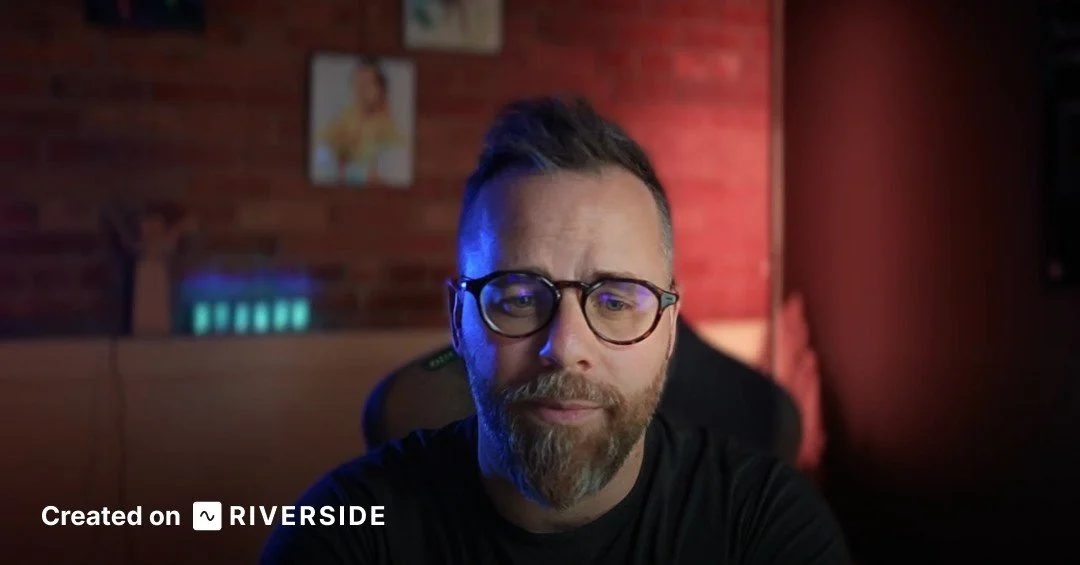
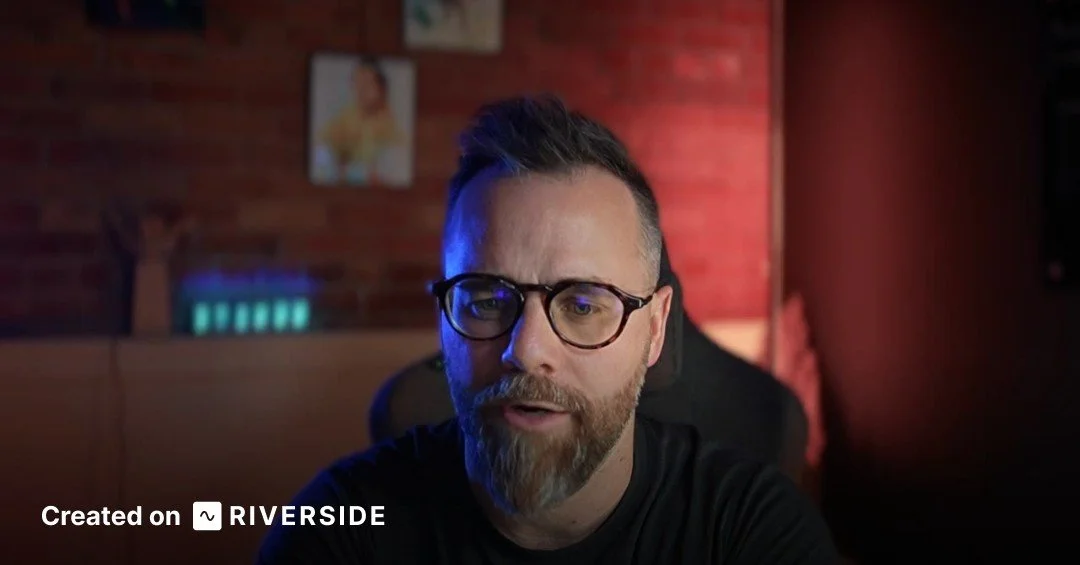
Jon Sheldon, business leadership coach, guiding growth beyond the ego
Listen to the conversation
Watch on YouTube
## The Motivate Collective Podcast — Show Notes
**Episode:** Leadership Without Ego: Growth, Vision & the Burden of Leading
**Host:** Melanie Suzanne Wilson
**Guest:** Jon Sheldon (Belleauwood Coaching)
### Episode summary
In this conversation, Melanie Suzanne Wilson sits down with executive leadership coach Jon Sheldon of Belleauwood Coaching to explore what real leadership looks like—especially in a world shaped by social media expectations, constant comparison, and “always-on” pressure.
Jon shares his journey from serving as a Marine infantry squad leader (leading a 13-person squad in high-stakes environments) to working in financial planning, mentoring young advisors, and eventually moving into coaching leaders, teams, and business owners. Together, they unpack the difference between “managing” and truly leading, why ego disrupts trust, and how sustainable growth requires clarity on purpose—not just KPIs.
The episode also dives into work-life “counterbalance” (not perfection), the freedom (and risk) of entrepreneurship, and why vision-setting works best when it’s emotionally specific—down to how you want to feel when you wake up in your future life.
---
### Key takeaways
* **Leadership isn’t control—it’s care.** The best leaders care more about their people than their own ego.
* **Growth without purpose can send you in the wrong direction.** Scaling only matters if it aligns with what you value.
* **Replace “work-life balance” with “counterbalance.”** Balance shifts day to day, season to season—especially for business owners.
* **Trust issues show up as micromanagement.** Often it’s a hiring/fit issue (“right person, right seat”), or a self-leadership issue.
* **Vision becomes real when it’s emotional.** Jon recommends a “day-in-the-life” vision tied to a meaningful date, not vague goals.
---
### Topics we cover
* Why people feel less satisfied today (and the role of social media expectations)
* The difference between a manager and a leader
* Ego in leadership—and why it quietly damages teams
* Coaching “attributes,” not industries: what Jon looks for in clients
* When “business growth” is actually about becoming a better parent
* Why “work-life balance” sets people up for guilt—and how counterbalance helps
* How to set priorities using **non-negotiables**, not “goals” you keep forgiving
* Vision setting: choosing a future date, building emotional buy-in, and defining success
* Why going “too far the other way” after strict environments is common—and how to integrate the good
* Trust, community, and the leadership responsibility of elevating others
* A counterintuitive team tip: **give underperformers more responsibility**—they may be bored
---
### Powerful quotes
* “The difference between a manager and a leader… is caring more about the people you’re leading than your ego.”
* “If we don’t have purpose established, then growth means nothing.”
* “Let’s trade out the word balance for counterbalance.”
* “The blessing and the curse of running your own business is freedom.”
* “There is a cost to leadership… it’s the burden of leadership.”
---
### Jon’s 3 lessons to live by
1. **Trust your gut—your authentic self is speaking.** Take the gamble intelligently, not recklessly.
2. **Assess the condition and accept the cost.** Consider your environment, tools, people, and the long-term price of the path you choose.
3. **Elevate others.** Leadership is about leaving people better than you found them.
---
### Guest spotlight
**Jon Sheldon — Belleauwood Coaching**
Jon is an executive leadership and small-unit coach who works with individuals, partners, and small teams focused on growth, performance, motivation, communication, and mindset. His coaching style centers on developing leaders who build trust, create clarity, and elevate the people around them.
---
### Call to action
If this episode sparked something for you, share it with a leader, business owner, or teammate who’s navigating growth right now—and reflect on this question:
**Are you building success… or building the life you actually want to wake up to?**
Transcript
Jon- Belleauwood Coaching (00:00)
Okay, sounds good.
Melanie Suzanne Wilson (00:02)
Awesome. John, welcome to the Motivate Collective podcast. It is great to have you on the show.
Jon- Belleauwood Coaching (00:11)
Thanks for having me, Melanie. Appreciate being here.
Melanie Suzanne Wilson (00:14)
For those who are listening who don't know, what exactly do you do?
Jon- Belleauwood Coaching (00:25)
So I am an executive leadership in what I would call a small unit coach. So for some companies, I act more like a consultant in the financial planning space, which is where my career before this lay. And now I primarily focus in on working with small teams, not small businesses necessarily, but both small teams in every and all things that revolve around growth, performance, motivation, mindset, things like that.
Melanie Suzanne Wilson (01:01)
growth performance.
So growth, performance and mindset. Do you see this as being even more of a trend and more of a focus now at this point in history?
Jon- Belleauwood Coaching (01:17)
Yeah, I do. especially...
I think especially with the emergence of social media, I think people have really weird expectations of what life is and what it is not, what's attainable, what's real, and where they get sustained motivation from and sustained mindset from. So yeah, I do. think it's definitely changed even in my lifetime, where people are, in my opinion, less satisfied more quickly with life in general and with growth and with where they're going based on the opinions maybe or what they see throughout the world.
Melanie Suzanne Wilson (02:04)
Does this mean that people always want more, a lot more than they would have years ago? Are they just less satisfied?
Jon- Belleauwood Coaching (02:12)
I think that, I mean, my personal opinion, yeah, in my experience, I think they're less satisfied and less happy, frankly.
Melanie Suzanne Wilson (02:17)
So let's delve into some stories in a moment about that, but I'm curious, how did you journey to end up doing this work?
Jon- Belleauwood Coaching (02:26)
Great question. So I was in the early 2000s at the early slash height of the Iraq war. I was in the Marines. I joined right out of college, not right out of high school. So I did a couple of deployments there. And as an infantry squad leader for anybody that's listening and knows what that means. And I'm sorry.
Melanie Suzanne Wilson (02:48)
What is it?
What's this quad leader? It's great to translate these things.
Jon- Belleauwood Coaching (02:55)
Yeah, yeah, yeah. So basically, I was in charge of a Marine infantry squad, which is about 13 Marines. Infantry is think about like door kickers, know, frontline guys. Yeah. And so that's where this kind of started. And on my leadership train, you know, I don't think in high school I would have, you know, being like the captain of the football team or anything like that, I would have considered like leadership at that point in time for whatever reason. But you really get a crash course in leadership, especially in combat, but in the Marine Corps in general. And it's a lot more than that. It's mentorship, it's learning, it's trial by fire in a lot of different ways, but that's kind of where this started. And then where this progressed to over my career and in my life was I'm just, I've always been that guy that in my friend group and in my family that people call when they have a tough conversation they need guidance on or real advice. I've been that dude and that's kind of where my story started. And when I got into financial planning, just about 15 years ago, my story continued on that framework and progressed pretty quickly through that and started mentoring and coaching younger financial advisors until it morphed into this.
Melanie Suzanne Wilson (04:21)
The thing that stands out from this story is that you are focusing on mentoring and helping people to actually grow. Whereas we have all heard about or seen teams and workplaces where the boss is just telling people do this, do that. And that's all that's happening. So, did you find even as early on as the military that you get greater results when you are thinking about what the people need as well?
Jon- Belleauwood Coaching (04:51)
What you just described from my opinion is the difference between a manager and a leader. So yes, right? The best leaders that I've ever met and the one that I get inspired from, there's one core component that they all have in common is that they care more about the people that they're leading than they do about their ego. And I've always viewed that as the foundation of leadership the very basic core, just have to care more about, in my opinion, other people than you do about what you look like. Right. And in a lot of times, management and sales, sales management, ⁓ or whatever you want to call it, it's not the case. We're going for KPIs, we're going for numbers, we're, we're doing a lot of that stuff. And a lot of times you call it what it is. And my experience again, it's to prop up your own self to the company, to the organisation, to your family, right, instead of aspiring the people that you're leading or managing to be better than you ever were. That's really the point, right? So to leave people better than you met them.
Melanie Suzanne Wilson (05:55)
Yes, I think it's sadly countercultural and it's glad, sorry, it's sadly counter cultural and I'm really glad that you are seeing this approach of actually caring about the people because it feels so obvious for those of us who are people-focused, but we live in a society that is all about the individual. It is all about me. And do you think that a lot of people need a shift and are you at any point in your work guiding people to shift away from the ego and away from the what can I get?
Jon- Belleauwood Coaching (06:34)
Yeah, all the time, right? I don't think ego has any place in leadership in the traditional way that we view ego. To promote somebody else's book, I don't have a book to promote somebody else's book. ⁓ Ryan Holiday has written an awesome book called Ego is the Enemy. It's a must read in my opinion. It's a great, great, and it's a different, it's different aspect of what ego really is. We all have a little bit of ego inside of us and that's not the enemy like that is not the enemy. We should be proud of what we are. There's a big difference between being proud of who you are and the type of leader or mentor that you are and being overly consumed with it, right? And being it all about you. I do think you're correct and that the majority of people care about themselves, which, I mean, there's some validity to that, right? Like you do have one life to live. It is your life. So I think there's a counterbalancing act to that, but once you enter into the leadership space, my opinion, ego in that space has no place.
Melanie Suzanne Wilson (07:37)
Definitely, definitely. We need to look after ourselves and we need to get what can lead us towards the path that we want to follow. However, I'd love to delve into some specific examples, then after the military. Have you been doing this with corporates or communities, maybe, or do you have a team where this has been unfolding?
Jon- Belleauwood Coaching (07:41)
Mm-hmm.
Yeah. So great question. I mean, I work with a lot of different types of people. I work with a couple of organisations as a whole. I call those institutional clients. So I have, I have two institutional clients and the rest of them, the rest of my clients are small teams, individuals, essentially. So it's a little bit all over the board in that sense.
I do work with a specific type of person, that's really where we got into that growth mode. Don't, I don't, most people don't hire me if they're not trying to grow. I would say that's pretty normal, maybe not for most forms of coaching, I would say they're even growing your mindset or changing your mindset's growth in a way, in a big way, so I think that's probably the core dynamic of who they are at their core. wouldn't say I have, I don't really, and I don't really coach people in building these really strong niches. I know a lot of people do, I get why. But most people, when they talk about a niche, they talk about a ⁓ demographic, right, of a person. If anything, if there's a niche that I work on, it's an attribute of a person.
So it's not that they're in construction or finance or real estate. It's do they have these attributes of a human being? Those are my clients.
Melanie Suzanne Wilson (09:41)
It's the growth. So it sounds like, of course, the mindset is a thing that grows, but also, are most of your clients aiming for a particular growth? Like, are they trying to create 10 times what they already have, or are they trying to create an entire bunch of teams?
Where are they normally trying to end up, and are you ever needing to guide them to think bigger than what they have been imagining for their goals?
Jon- Belleauwood Coaching (10:17)
Absolutely. Yeah. Yeah. Again, not again. Most of my clients are looking to scale, I would say, most likely. And I do a lot of teams work. working with partners, working again with individual producers or individual business owners that have a very small team and looking to grow or scale that, working on their leadership communication. So, but then also you get the business partner that hires you, thinking they're gonna talk about business, and when you really dive into it, the most important thing that they wanna grow in is being a better father or mother. And then that kind of takes over, and if you're doing your job in the correct way, and again, in my opinion, you're asking the right questions, and you're digging deeper to understand what your client truly cares about, what their motivations are, what their purpose is, what their vision for their life is. If we don't have those established, then growth means nothing.
Melanie Suzanne Wilson (10:55)
Well.
Jon- Belleauwood Coaching (11:16)
You might be growing, but in the wrong direction, right?
Melanie Suzanne Wilson (11:21)
It's so true. So if you are happy to look at how people approach their personal lives as well, I'm so keen to ask. I think that the work-life balance has become a stereotype, and I think that, okay, let's start with that because there are so many angles to this thing, but the work-life balance, yes, it's a stereotype. What have you seen with that attitude to that concept?
Jon- Belleauwood Coaching (11:54)
I see it in two directions. Either people have really unrealistic expectations of what that means. They don't understand that for what that could mean for themselves and what they would prefer. It kind of goes back to my original comment about the social media stuff. It's like, you, do you want to, are you taking a picture on a beach with your laptop open, saying, what I did yesterday, work-life balance. Well, you're still working on the beach, right? You know, so I think it's a lot of defining what that is for people. And what I see is a swing in two different ways. Either they don't have that defined at all, or they have this gross misconception of what balance is. And I honestly don't like the word work-life balance. I don't think that really exists. I think in every aspect of our lives, and this is what I talk to a lot of clients about, let's trade out that word, it's just a small shift, let's trade out that word balance for counterbalance.
And I know that seems so small and insignificant, but whenever you see like, I view it like this in my brain. Whenever you see like somebody that's walking on a tightrope, are they really ever doing that without any type of support? No. And I'll tell you why, because they usually always have that long pole, right? That they're balancing, that's serving as a counterbalance. And when I think of balance and work-life balance. That's what I'm always thinking of, like, let's give ourselves a little bit of grace because what a lot of people do from my experience is they get into a habit, and the second they get a little bit off of that work-life balance that they've created for themselves, they're like, I'm out of alignment. No, no, no. You're just counterbalancing that day or that week or that month, or sometimes it's an entire year, right? It's really hard to talk to a startup owner and say, You need to spend 50 % of your time not in your business.
It'll probably fail. Sorry. Your business will probably won't exist in a year, right? So maybe for that year, for that month, for that day, you need to spend a little bit more time and being okay with that and giving yourself some grace. That I think is where the true balance comes in is giving yourself a break. That's why I'd say that unrealistic expectations. People start getting really hard on themselves for it's more of I didn't set the proper expectations with my family, with my business partner, with my team of what this means, right? Does that make sense?
Melanie Suzanne Wilson (14:20)
Yes.
I think that's something to navigate, and everybody has a different version of what that will look like. And the thing I've been so keen to ask anyone who is in this space is what happens when I think sometimes we become a bit addicted, say that we feel passionate about a project, or just love the work. I mean, I have been learning from someone who appears to have a lot of balance now, but started off just getting really nerdy with technology. And I think that even with what I'm doing now, I can use this as an example. There's a part of my brain that ends up enjoying the technical side a little bit too much, and just a bit more, and just a bit more, or you just want to book extra things. I mean, I think I have three recordings, something like that today. And so I think we can get addicted to the work, but then that's not really sustainable. Do you see people becoming too happily workaholic?
Jon- Belleauwood Coaching (15:29)
Ooh, that's a really good conversation to have. Cause what does that really mean? If, if, if this is a part, let's think, let's just think about, I'll put myself in the space that we've created. I was just talking with a client about this the other day, and what came out of my mouth was that I literally love my business. I do like, like, like it's an entity, like it's a person. Like I, I, I love it, you know, and in that sense, some of the things that I have to do on the day, kind of like what you're talking about, diving into some of the technical stuff and that, it's like, yeah, but if I love that and we have this, and every moment kind of counts, that's kind of in alignment with what I want in life. And I think sometimes we, and I'm not saying that you went here, but I'm just, again, thinking how I'm processing this. I think sometimes we think of it like, okay, well, does this make money?
Especially when we talk about business, it does go on the technical side or the admin side of things. Does that, does that fill, does that push my business forward? So I pushed my life forward. And the answer to that might be no, it might be right. But does it bring you that piece of accomplishment in your life that you really strive for? Like I like to nerd out on technology stuff all the time, right? I'll go down those rabbit holes. I think prior to properly prioritising is incredibly important.
But to strip away, and this is where we get into that topic of like Iki-Gai, the Japanese reason for being, right? And really understanding what your purpose is and what you're good at and what you love to do. And whenever somebody says almost the exact thing that you just said, I would respond back with, Well, is that really such a bad thing? Do you really enjoy it? Because if that's the case, I don't know, it kind of seems in harmony and in balance now. But if you don't, if you're like, I'm spending so much time on this thing that I hate doing.
All right, let's figure that one out, you know? Does that make any sense?
Melanie Suzanne Wilson (17:29)
It really does. And in my personal experience, the Ikigai works when it is also nurturing us enough. It needs to sustain us. So I got into a habit earlier in the year where I was giving too much. I especially love to just help people, and so I think that's what everybody can learn from, because I don't know a lot of people who are just as sacrificial as I am, and I'm not saying that to brag, I think I do it too much that I just drain myself out. But the thing that people could relate to more is that you need to balance the thing that you adore, like the technical things you were talking about that you like to geek out on, balance that and then the things that are going to make money because you need to make money to live in this world. So I'm wondering how you guide that, especially for small businesses when they might be struggling to figure out their time management, or they just need to do the higher ROI stuff as well, even though the other things are just so good. What do you think?
Jon- Belleauwood Coaching (18:34)
Yeah, I love this conversation actually. Now I'm gonna give you an example. I'm not sure ⁓ if we're recording video on this or not, but okay, cool. I've got a great setup here and I'm really proud of it. Okay? Does this make me money? No, it does not, okay? But it does fill my cup because I gained a lot, and this is just, I gained a lot of confidence by setting this up. I watched a five-minute YouTube video and basically just bought everything the guy had in the video. It wasn't that big of a deal, right?
Melanie Suzanne Wilson (18:54)
Here we are.
Jon- Belleauwood Coaching (19:18)
But does that make me money? No, it does not. Does that make me feel super confident getting on a call with you? Yes, it does. It does, right? Like, I geeked out on this for weeks. Now I've probably spent way too much time doing it. Here's my piece of advice on that, and I'll use myself as an example. That's fine as long as you've set your priorities and your non-negotiables for the day. And I don't use the word goal specifically on a day-to-day basis for a reason. Goals we forgive ourselves on vastly too often. I didn't hit my goal, I'll try again. The word non-negotiable is simply like that, non-negotiable. I tell business owners all the time, especially ones that start out, if I paid you and you worked for me and you're gonna do the same exact thing every single day, but you're gonna work for me, you have a salary, you're W2 again, right? Well, that's what it's called in the States, right?
If you're gonna be that person, I almost guarantee that you would be successful beyond your wildest dreams. Why? Because you have accountability. Because if you had to go reach out to your centers of influence, if you had to go network because it's part of your job, it's what you're getting a paycheck for, it's weird how you would just do it, right? It's so different when we give the blessing and the curse of running your own business is the freedom.
Melanie Suzanne Wilson (20:41)
Yes.
Jon- Belleauwood Coaching (20:47)
It's what people get drawn to, and it's also what kills businesses. If you aren't that way. So what I tend to coach people on is you can get as deep down a rabbit hole as you want, as long as you properly prioritise the three top things, the three non-negotiable things that you need to do to push your business forward towards your vision. And I use that word very specifically because
Anybody listening to this, you haven't done it, we're in December, all year round we're in December here, the entire planet's in December, right? If we're in December now, we're looking at 2026, and you haven't built a great vision for your future, or your vision has run out, or you have never done one before, please take the time and do it. Because without that, I'm not sure how we can properly prioritise where we're going. It's like driving, it's like taking a road trip and having no destination. It might be a lot of fun but we probably should be going somewhere.
Melanie Suzanne Wilson (21:50)
Yes, the destination. actually heard about that goal setting with the previous guest as well. And I'm wondering, do you plan five or 10 years ahead? How do you set your next plan? How far ahead?
Jon- Belleauwood Coaching (21:59)
Hmm.
I do what's called a day in the life vision. So I think of it like a journal entry, and I encourage people to sit down. It has to be at least a year in advance. But I pick a specific, I don't, to answer your question, it's neither and one. So I tell people to pick a specific date and time in the future. That means something to them because look, if we're going to pick something like that, we got to get some type of emotional connection. That's how humans work.
You gotta get bought into your own vision, right? People buy, I've said this a million times, like people, it's not mine, I've learned it somewhere. People buy on emotion and keep on logic. So you've gotta do that for yourself too. You gotta buy into your vision, so make it emotional. So for me, I don't do either one of those things. I've made a 10-year vision, at some points in time, I've made a three-year vision based on more of a date and a day in time that I'm emotionally connected to. Perfect example, I'm turning 40 in a couple years. My vision right now is my 40th birthday. It's not even my birthday, actually; it's a couple of months after my birthday. That is where my vision is based on right now. When I wrote it, it was I think three and a half years into the future. But when I started writing my vision, that's what emotionally drew me to it. Like, what do I want when I'm 40? So, it's a little bit of both. I think it should just be whatever you're really emotionally connected.
Melanie Suzanne Wilson (23:42)
And the 40 is such a milestone because I think sometimes when we are younger, we don't think about those older ages. And no, you don't. Did you not think about 40 when you were 20?
Jon- Belleauwood Coaching (23:52)
No, I didn't.
No, no, no. When I was 20, I was just trying to stay alive to be honest with you.
Melanie Suzanne Wilson (24:02)
Probably literally, if you did military work.
Jon- Belleauwood Coaching (24:04)
Yeah.
Melanie Suzanne Wilson (24:08)
But that's so true. don't think about that when we are younger. And I wish that I had as well. So, picking a specific moment in the future, that reminded me instantly of Back to the Future.
Jon- Belleauwood Coaching (24:26)
Great, great movie.
Melanie Suzanne Wilson (24:28)
And I think that's a way that people can visualise it, because if you can really set a scene in your head of where things will end up, because you can also do the opposite, right? And visualise, okay, if I keep going the way I'm going, how is this going to look? And if you take it that far, it's amazing just what the end result could be. So is that?
Jon- Belleauwood Coaching (24:37)
Yes.
Mm-hmm.
Melanie Suzanne Wilson (24:58)
Is that visualisation something you do with your clients with businesses to get them to actually see, specifically on June 5th, 2030 or whatever, we're going to be like this. Do you get really specific? I'll be seeing this thing. I'll be hearing this background noise. How do they visualise and manifest?
Jon- Belleauwood Coaching (25:14)
Yeah.
Yeah, I've got, yes, yes, yes. And ⁓ I've got a bunch of ⁓ digital worksheets that I can send to clients that, especially with AI nowadays, that they can fill out. And it takes them through that. I think what's, and I'm gonna go back to that word emotion. Like I think what's most important in the work that I do with clients and vision is when did you wake up and what's the first thing you felt in 2030?
Like, walk me through that. Like you wake up, what's the first thing you feel? Is it accomplishment? Is it fear? Right? Is it excitement? What is that thing? Cause again, the more we can get drawn into it. Now, look, I'm not gonna go ahead and say like vision boards are a bad thing. Not gonna say that. But most of the time, vision boards are like for anybody that's maybe saying, Hey, what's a vision board, John? We're talking about like a board that you put on your wall that has a bunch of pictures of stuff.
Most of the time, when people do those, those are all materialistic things. It has almost nothing to do with how you feel, how you've acted, and all of that stuff, right? It might provoke an emotion from you, like, hey, that's a car that I want, or that's a house that I want, or maybe I want to be married or have another child or something like that. Totally valid. I'm not saying don't do one of those things. I just don't think those are always effective because you can easily kind of breeze over that where you don't have again, that feeling that gets evoked when you see it, right? I think it's a conversation of let's talk about how you feel and how you act and what got you there, and what are those things in your life that you've acquired, we'll call it, right?
Melanie Suzanne Wilson (27:00)
with.
One of the most disarming things that someone can suggest is that you could end up happy. I think we get desensitised to not being happy.
Jon- Belleauwood Coaching (27:24)
God, that's such a point.
Melanie Suzanne Wilson (27:26)
So we get desensitised to not being happy because we live in a world, of course, where we are overloaded with duties. We are overloaded with things on our phones, and we get used to the revolving doors socially. Perhaps if people are meeting people on apps or if
Jon- Belleauwood Coaching (27:32)
Mm-hmm.
Melanie Suzanne Wilson (27:49)
Our social lives are just from social media. There are so many ways that we just end up settling for not being happy. And have you seen in your work that one of the most shocking things you can say to people is, let's actually aim for you to be okay.
Jon- Belleauwood Coaching (27:49)
Yeah.
Yes, a million times. I think you're so spot on with settling for being not happy. Most people I find are running for...
They're just running. They're just kind of sprinting towards what they believe to be true. I always love, you know, sometimes I've got this one client ⁓ and every time she comes on the call without something that she wants to talk about, she always leaves and says, Every time I show up without something to talk about, it's always the best conversation. I don't know necessarily how to take that sometimes, but as long she's finding value, that's the point.
And how I kind of view that is it's almost like you're coming in about preconceived, kind of on your point of like, there's no preconceived thing that I want to talk about today. Let's just see how the conversation goes and what we can dig up. And where I translate that to is this word that I've grown to love, and that's authenticity. Like, what's the authentic thing that's actually been buried in your mind, or what's the authentic goal or aspiration that you have that you're so busy chasing?
Whatever that might be, that we don't know, if that makes you happy. How many times do we need to listen to a podcast with a billionaire or a multimillionaire to say, Yeah, the Lamborghini won't make you happy. It makes life easier. Money definitely makes life easier. Like it does. It's silly to say that it doesn't. It definitely does, but that's not going to necessarily fill your cup because everybody defines what success is and what happiness is in different ways. So
Melanie Suzanne Wilson (29:41)
Yes.
Jon- Belleauwood Coaching (29:57)
Yeah, I've worked with incredibly successful business owners, specifically business owners, that they're at the end of the day, what they got out of coaching was again, being a better parent. Right. And that's what made them happy. That's what we ended up striving the conversations to because that's what's missing in their life. And they realise that that authentic piece of their losing themselves. I spent 15 years in finance, and I don't regret my 15 years in finance. I do not.
It shaped a lot of the connections. I made a million friends. It put my life on a different trajectory than I ever thought imaginable, quite frankly. But I woke up consistently, and I knew that I didn't like it. I was good at it. I didn't like it. I wasn't happy.
And it took me a long time to figure that out. I strive for that because when I would wake up, and I would look in the mirror, yeah, I'm wearing a great suit, but it wasn't me. It wasn't authentic, John. That's sad when I think about it.
Melanie Suzanne Wilson (31:04)
Yes, I'm seeing, I'm seeing a few things here. I think that sometimes we can appreciate these skills and the knowledge of an industry that we delved into, be it finance or marketing, but even speaking, we can feel a discomfort beyond a discomfort. Something can feel not aligned in the spaces where we think we have the opportunities to
Jon- Belleauwood Coaching (31:20)
Mm-hmm.
Melanie Suzanne Wilson (31:33)
Does that work for you, the classic corporate finance? I can relate to that. I did this string of marketing jobs in offices and honestly, if I needed to, and if someone needed me to do it, then I would shop to an office and do what I know how to do. But, you know, I needed to add that in as a disclaimer. However, there's a completely different feeling when you are
Jon- Belleauwood Coaching (31:38)
Mm.
Thank
Melanie Suzanne Wilson (32:01)
connecting in something like this or the coaching work you do. And the other comparison that I have is that I started off doing a form of presenting and speaking that was very structured, kind of like that suit and finance that you were talking about. And now during these conversations on the podcast, it's so much more honest and we're all sitting down just in our
Jon- Belleauwood Coaching (32:17)
Yeah.
Melanie Suzanne Wilson (32:26)
t-shirts or whatever we want to wear, and we are telling it how it really is. And I think that that sincerity is something that you get from doing your own thing. So I'm wondering, do you sometimes see people who love the type of work that they do, whether it's finance or something else, but they might be in an environment that's not letting them really do the work in the way that they can bring a unique value?
Jon- Belleauwood Coaching (32:57)
My God, yeah. Especially in the more regulated, especially in the States, especially in the more regulated fields, right? They wanna be doing, again, we'll just use financial planning as an example. They wanna be doing X, right? But they can't, maybe it's compliantly they can't, right? Or maybe they have contractual things. It's like the dirty piece of finance is contracts, right? Meaning that people have, I'm sorry.
Melanie Suzanne Wilson (33:24)
Why?
Why, why are contracts like that?
Jon- Belleauwood Coaching (33:31)
because they're employment contracts, and those contracts come with stipulations. So they might have to sell something, right? You might think that you're getting just an absolutely like authentic financial plan, but underneath the surface, there might be a contractual piece of that plan that they have to sell you. That's, that's, yeah, yeah. And we don't, we don't have enough time to talk about that.
Melanie Suzanne Wilson (33:54)
well.
Okay.
Jon- Belleauwood Coaching (34:01)
But, so yes, yes. I think that comes with some caveats. I believe that again, the freedom, I do think the freedom, I don't think everybody's prepared for the freedom in some ways. I don't think that. I don't think that everyone should be a business owner. I've coached people out of being a business owner and it's turned out very good for them. Absolutely, yeah. because everybody shouldn't, if you're waking up every single night and you've hit your goals and you're still waking up with this heart pounding anxiety, that might not be the route for you. It just might not be. But back to your original point, yeah, I find that all the time. I find the bigger the corporation, generally the more strict the, we'll call it, compliance or regulation, I find more people that really love what they do but aren't happy in what they do because they can't do it the way that they want.
Melanie Suzanne Wilson (35:03)
And it's partly that they want to do it a particular way, and partly that they don't get empowered to perhaps do the work in a way where it can be more effective. Have you seen that where organisations are not letting them do their jobs better, essentially.
Jon- Belleauwood Coaching (35:14)
Yes.
Absolutely. And you got, I mean, I do think of it from the corporation side at some point in time, they spend millions of dollars on R&D to come up with a way that they now think should be done. And so they want you to do it that way. I get it from their perspective, too. It's like, no dude, have 150 years of data on this. This is the way that you do it. I think that holds a lot of companies back, especially the older ones, older industries. So yes.
Yeah, I do think that impacts a lot of people. think that's why, at least in my experience, that's why the majority of people that are really successful in bigger companies, if they do leave, I think that's majority of the reason from my experience why they do. They think they can do it better, and maybe they can. They want more freedom. They've learned the skills, and they wanna take it off on their own and find that happiness that they know they can do. I know a lot of buddies that worked at, I have a lot of friends, almost all of my friends now actually started off at large financial planning companies. Now they all run their own private, what we call in the States, RIAs, or independent financial firms. And they're a lot happier. And there's always this initial rebel attitude that I find that when people leave, it's like, I'm just gonna go so far the other way. I'm gonna just throw everything I learned for the last 10 years in the garbage, and I'm gonna go so far the other way. And they always, after a couple of years, they always come back, okay, I understand why they were right.
Melanie Suzanne Wilson (36:54)
That fascinates
me so much because I think that culturally I had that experience. I wasn't owning a successful business in my twenties. I was a freelancer, bits and pieces, but culturally I was in the highly, how to put it, a highly strict and structured space and then went completely hippie to be honest with you for a few years.
Jon- Belleauwood Coaching (37:22)
Yeah, yeah, yeah, yeah.
Melanie Suzanne Wilson (37:23)
As
heavy as it gets, I'm wondering, do you see people doing that where they get so sick of all of the strict culture that they go that far in the other direction for a bit?
Jon- Belleauwood Coaching (37:35)
All the time. Oh yeah, all the time, yeah, yeah. No, no, no, no, no, no, no, they're hiding themselves because they're ashamed. No, yeah, no, I see it all the time. It's that young, it's that young, I'm gonna do, I'm gonna forge my own path. I just got out of my parents' house type of mentality, right? I get it, I've done it too. I've 100 % done it.
Melanie Suzanne Wilson (37:36)
Really?
I'm not alone. Okay, tell me where are these people I need to hear from?
We'll hit you.
Jon- Belleauwood Coaching (38:04)
Yeah, yeah, and you gotta bring yourself back and be like, what's the good, what good can I bring from that? What's the, like, we all need structure in some way in our lives, for sure. Humans thrive on it. Humans thrive on community. Community is, in some ways, a lot of ways structured in its basic form. And well, cause I mean, just doing everything by yourself, that's free form. If you have other people to be accountable to, that is structure in a way. But I find that a lot, and I have to often bring people back a little bit and say, No, no, no, no, don't, everything you learned isn't garbage. Let's take the good pieces, utilise them, right? I call that take what's given. You were given something, take it, utilize it and all the stuff you don't like, throw that away, but don't throw everything away. There's no shot that.
There's no shot these massive companies that are making millions and billions of dollars have it all wrong. There's no way. It must be.
Melanie Suzanne Wilson (39:06)
Right. Right. They are doing something right. And you clearly found an in-between because we need to get to the example into the story here though. It's all about stories because you went from the military, which I can only imagine as never being in the military, but I can imagine that would be extremely strict, and there was corporate. So then how far did you swing in the other direction? What did that look like?
Jon- Belleauwood Coaching (39:41)
Pretty far. I think for, without getting too far into like the veteran mentality, you know, I think there's always a little bit of that structure that always exists. I don't think that's something you can totally get away from because it's just, it's kind of like bread in you. It's fabricated. It's a part of your DNA now. What I struggle with to get very real is trying to always fight the system, right? Never wanting to drink the Kool-Aid again. know, and every Marine out there will know this, like we all drank the Kool-Aid at some point in time, and you can deny it all you want, but we all did. So it's getting out and understanding that, yeah, look, look, it's in the corporations.
It really isn't corporations best interest for the corporation to create a cultish like culture. They want you bleeding whatever their company is. Why wouldn't they? Why wouldn't they? And I think where I went totally the opposite way, as I was like, I'll never buy into that type of stuff again. So whatever you're telling me, I'm just going to assume that it's a lie. You know, I'm just going to always assume that I'm always going to try to forge my own path. I'm always going to try and do this, that, or the other thing. That worked for me in some ways of giving me that, Hey, let's change things and see things from a different direction. It's, I believe one of the major reasons why I feel like I'm I'm a good coach because I'm looking from that 30,000 foot view. I'm looking to poke holes. It's why people hire me to get an outside 30,000 foot perspective on their life, situation in their business. I think that there is a place that, goes too far. And I've had to reel that back in multiple times in my life, of saying,
Hey dude, you don't need to be the rebel here. This works, adopt it, use it. You know, instead of trying to always create your own thing, always fight the system, there's a better way to do this. Sometimes things are just good enough.
Melanie Suzanne Wilson (41:51)
Good enough. It feels like quite a start for a standard and the Kool-Aid. I like how you worded that because I think that everybody drinks a Kool-Aid at some point. I have met people who became disillusioned after divorces. Frankly, I just, met so many of them, plenty of them. They then did not want any structure or
Jon- Belleauwood Coaching (42:04)
Mm-hmm.
Mm.
Melanie Suzanne Wilson (42:21)
Or rules or anything with relationships, and even with religion, someone gets out of religion, and then they don't want to believe anything, and anything goes in life. They have no sets of rules with that. Corporate, it happens there. I think it can just happen anywhere and then you end up to what extent can you be a completely free spirit to the point where you are just floating with no direction, right?
Jon- Belleauwood Coaching (42:51)
Yeah, think that's where it gets dangerous isn't the right way to word it. There's a cautionary tale there. And I love that you brought up those two different examples because I grew up, my dad's a minister. I grew up in a very religious household. It might not be my thing, but when I went into the Marines, when I got out of my household, I definitely went the opposite direction, right?
Same thing with, got married, I'm probably explaining probably too much. I got married very young when I was in the Marines and ended up getting divorced. Same thing that you just said. I went very far the other direction. I'm never getting married again. And I'm happily married again. But there was multiple years of my life that, and you know what, this is a very personal thing, like, there were so many years that I had in those, we'll call them the single years of sadness that like we, that I didn't understand of how much I wanted a partner, but I was so resistant to it. There were so many things that there are so many, in my opinion, good things about religion that I realise now that I just threw it out because like, I'm never gonna, I'm never gonna be that, but you know, there's hope, like at the basis of it, you know, there's interesting things. We don't need to get into that conversation, but there are good things about that. And it goes exactly into the conversation that we're talking about, of like, yeah, everybody drinks the Kool-Aid at some point in time. When you, whenever you decide to exit, if you ever do from whatever situation you're in, where you feel like you're in that state, take a deep dive and take what's good, utilise that, and move on. Don't again, shift too far. Keep your keep your boundaries. Some people need to, don't get me wrong. Absolutely something you need to get out and explore your freedom and explore whatever that might be. I'm not necessarily saying that, but I think that guardrails are probably good.
Melanie Suzanne Wilson (44:57)
Yes, guardrails. Absolutely. I am stunned and fascinated, realising that you had those experiences, because I can just see the common threads. I see the formats. So just in a sentence or two, because this is all about you, but I'll say that I grew up near a giant church, giant. And so I saw that
Jon- Belleauwood Coaching (45:21)
Okay.
Melanie Suzanne Wilson (45:26)
And I saw the corporate world, and I saw community organisations, and they all did the same thing. They all typically looked up to one individual, or they all had basically a collective sacrificial giving. Sure. I'm getting a low salary. I'm going to give you my entire life. Sure. I mean, it's all the same thing. I'm sorry, but any big group is some sort of it; it's all the same format. And so that's why I can see it so clearly. And I feel lucky that I had that experience. But the thing that I got disillusioned with is you hear about just a few, I'll just say bad. I'll go ahead and say a few bad individuals in any space.
And then you're not trusting any of it. And I think that people can have that experience with jobs. So you've seen that happening, and that's why it's so important to know how to be a good boss. So that comes back to what you are guiding people with, how to nurture the teams. And also you're probably helping people to trust bosses, trust their teams. Does that happen?
Jon- Belleauwood Coaching (46:18)
Any space.
Yes.
Yes. Yeah, yeah, it's it's ⁓
Yeah. That's probably one of the bigger things that I say people need to let go of is do a better job at selecting your team. Because if you're going to be, trust is in every relationship. We talk about trust a lot in personal relationships, but it really exists everywhere in every relationship. ⁓
You see it start to manifest itself in the corporate world in things like micromanaging. That's all that means is that you just don't trust your staff. That really, that's what it means. And I know that's super basic, right? But that's what it means. Most of the time, that's because you probably didn't do a good enough job as a leader of understanding or selecting the people that should be on your team or doing enough self-work.
on yourself to understand what you are good at and what you shouldn't touch. There's so many things that can go into that. But guiding them to a place of trust and accountability. I always use this term with people. I think leadership, in a lot of ways, when people, especially maybe it's their first occurrence, or they're growing their leadership skills, they always make this kind of a common mistake in
They're vastly too chill of a leader or vastly too strict as a leader. And really, there's a going back to another place where we're in conversation, there's a big balance there. I call it firm, fair. You want to be a fair person, but people are looking for guidance. They are. We live in communities for a reason. We're not hunter-gatherers anymore. The majority of the planet is not hunter-gatherers anymore for a reason.
We built communities because we trusted each other's skills. It's in our DNA in a lot of ways, is community. Why aren't we all just randomly wandering? Why does New York City, why does Sydney exist? Like, why do these places exist? Because we want them to. Because at some point in time, it made more sense to be together than alone. And leaders need to remember that. They need to remember it makes more sense to be together than
Melanie Suzanne Wilson (49:05)
Yes, it's interesting that you brought up the large cities because I have been in a smaller city that feels like a small town for a while, but I was originally in Sydney and going back to the city, seeing all the great structures physically, I, I go back to the phrase that 12 steps use, I've never experienced 12 steps, but I heard that phrase from them of, of
Jon- Belleauwood Coaching (49:27)
Mm-hmm.
Melanie Suzanne Wilson (49:37)
trusting something greater than yourself. And I think that although we need more than humanity, just seeing that a human collective has created something greater than what one person can do, that seems very essential. So it looks like for business owners and leaders to really grow, they need to trust the capabilities of the collective. Do you think so?
Jon- Belleauwood Coaching (50:04)
Absolutely, and if you can't, then that's where we use this. I prefer this term roster spot over recruitment. Then you may have just filled the wrong roster spot Meaning you may have a wrong team member on your team It doesn't mean that they're not truly capable of what of whatever you you've hired them for that doesn't mean that it doesn't mean that they're bad person doesn't mean that they're Incapable it just means that for your team your roster They might not be the best fit the system called, EOS, it comes up with this saying it's right person, right seat. And I want to make sure that give them credit for it. It's a great system. I have no affiliation with them, but they, they, person, right seat. might have the right person in the wrong seat. You might have the right seat, but the wrong person. You also might be not trusting your team enough. And one of the things that.
One of the things that is almost counterintuitive, but it works so incredibly frequently, is if you have maybe an underperforming or what you perceive as an underperforming team member, give them more responsibility and see how they act. They might be bored.
Melanie Suzanne Wilson (51:20)
When they have more responsibility. Right, right. So you're saying that some people will be bored and not performing well if they know that they are capable of more and they need more of a challenge. We can all relate to that, I think, in some way.
Jon- Belleauwood Coaching (51:22)
They might be bored that they don't have enough.
Absolutely.
Melanie Suzanne Wilson (51:41)
So give them more, don't give them less.
Jon- Belleauwood Coaching (51:44)
Give them more, don't give them less. Test them. A lot of times, if you've done even a decent job of getting them on your team, they'll rise to the occasion.
Melanie Suzanne Wilson (51:55)
Awesome. I like to wind up the conversations with three lessons that anyone can live by to get started and learning from you. People can learn how to, how to lead any group and how to set a vision for their future. So what are three lessons that everybody who's listening should
put into place.
Jon- Belleauwood Coaching (52:28)
One is on the topic of authenticity. And that's if your guts telling you to do it, that's your authentic self telling you to give it a shot. ⁓ Trust that. Trust that. yourself. Okay? And take a gamble, but do it smartly. Do it intelligently.
Don't run life with just reckless abandon, but trust yourself a little bit. I think in this day and age, and the reason I say that, I know we're running out of time, so I'll keep this brief. I think in today's day and age, people are too afraid of what other people will think. I think they're too afraid of failing publicly. This is the journey that you're on. You're on the journey.
The other thing I would say is make sure that you're assessing the condition constantly and the cost of your actions. A lot of times people have a great idea going, a counter intuitively, but bouncing off of what I just said, have a great idea, great situation, or need a decision, and they don't adequately assess the condition or the cost of what that means for them right now and for the rest of their life, make sure that you're assessing the condition. When I mean condition, I mean the environment that you put yourself in, the tools that you may need, and the people that you need to surround yourself with. Make sure you have those things in place to make sure that your situation ends up the right way. And then the cost, accept the cost. One of my favourite things to talk about when people are getting into leadership is that there is a cost to leadership. It's not all sunshine and rainbows. And if you're doing it the right way, there is a cost to pay for that. It is a burden. It's the burden of leadership.
It's not all great. And make sure that you're prepared to pay it, because it's paid in a lot of different ways. And then the third condition costs, and the third thing I would tell people is, the first thing we started it with, I think the most important leadership attribute that you can have is elevating others. And if we all kind of did that a little bit as leading ourselves, leading our families, leading our businesses, leading our teams, and we paid attention to that, I do believe that your life would also change for the better. So those are my three.
Melanie Suzanne Wilson (55:11)
Awesome. John, thank you so much for the wisdom, the stories, the insights. And thanks for being on the show.
Jon- Belleauwood Coaching (55:20)
Thank you so much for having me, Melanie. It was honestly a pleasure. This was great.
Melanie Suzanne Wilson (55:24)
Awesome, thanks.
Keywords
executive coaching, leadership, mindset, work-life balance, social media, personal growth, mentorship, trust, vision setting, authenticity
Summary
In this episode of the Motivate Collective podcast, Jon from Belleauwood Coaching shares his insights on executive coaching, leadership, and personal growth. He discusses the impact of social media on people's expectations and satisfaction, his journey from military service to coaching, and the importance of mentorship. Jon emphasizes the need for authenticity in leadership, the redefinition of work-life balance, and the significance of setting priorities and a clear vision for the future. He also highlights the role of trust in leadership and the necessity of elevating others to foster a positive environment.
Takeaways
People are less satisfied and less happy due to unrealistic expectations.
The best leaders care more about their people than their ego.
Work-life balance is a myth; it's about counterbalance.
Growth should align with personal values and goals.
Authenticity is crucial for effective leadership.
Trust is foundational in all relationships, including professional ones.
Setting clear priorities and non-negotiables is essential for success.
Vision setting should be emotionally connected to personal milestones.
Leadership comes with a cost; it's not always easy.
Elevating others is the key to personal and professional growth.
Titles
Unlocking Leadership Potential: Insights from Jon Belleauwood
Navigating the Challenges of Modern Leadership
Sound bites
"Trust is in every relationship."
"Authenticity is key in leadership."
"Elevate others to elevate yourself."
Chapters
00:00 Introduction to Executive Coaching
02:43 The Impact of Social Media on Mindset
05:41 Leadership vs. Management: The Importance of Caring
08:47 Navigating Growth and Personal Development
11:31 Redefining Work-Life Balance
14:30 The Addiction to Work and Finding Joy
17:28 Setting Goals and Visualizing the Future
26:29 The Pursuit of Happiness
29:28 Authenticity in Life and Work
32:27 Navigating Corporate Structures
38:24 The Balance of Freedom and Structure
42:08 Trust and Leadership
50:57 Key Lessons in Leadership