
James L Jeffley, speaker, on corporate training and overcoming burnout
Listen to the entire conversation
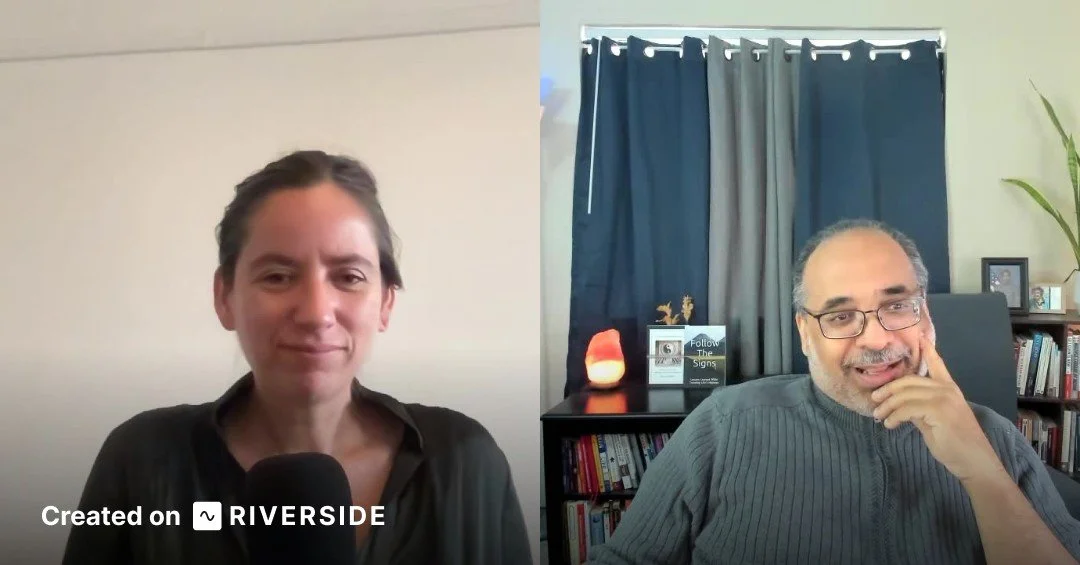
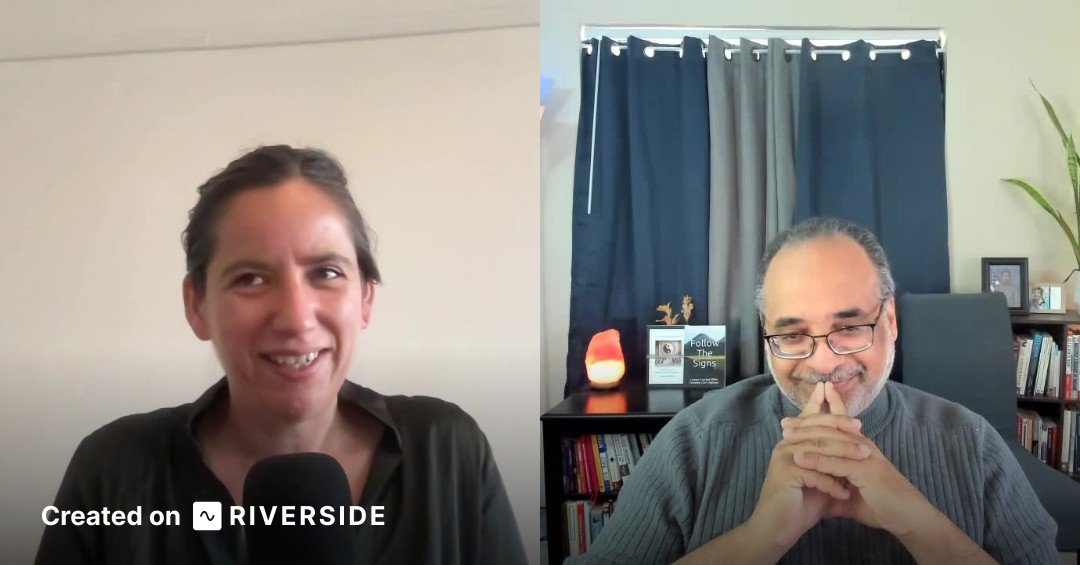
## The Motivate Collective Podcast — Show Notes
**Episode Guest:** James Jeffley (aka “Reverend Up”)
**Host:** Melanie Suzanne Wilson
**Theme:** Confidence, change, burnout, community, and staying human in an AI-powered world.
### Episode Overview
In this wide-ranging, deeply human conversation, Melanie sits down with speaker, trainer, author, and self-described “spiritual agnostic” James Jeffley—known in some circles as **“Reverend Up”** (with the cheeky catchphrase **“Up yours”** as an invitation to elevate your life). Together, they explore how people find clarity in “choiceless moments,” why burnout is a slow-build crisis (not a weekend problem), what workplaces get wrong about change, and how AI is reshaping work, identity, and creativity.
James shares practical insights from decades in corporate training and professional development, including why training fails without follow-up support, and how “fear, ego, and culture” sabotage organisational change. The episode closes with three grounded lessons to strengthen confidence—especially in an era where comparison, overwhelm, and uncertainty feel louder than ever.
---
### Key Topics Covered
* **“Up yours” (reframed):** Not an insult—an invitation to raise your life up in peace, joy, and results
* **Hope in chaotic times:** Holding both the darkness and the possibility of heroes and human goodness
* **Choiceless moments:** When you don’t debate—you *know* what the right action is
* **Social media and privacy:** Curating your online presence without letting it consume you
* **Spiritual agnosticism:** Believing in “something bigger,” without rigid religious certainty
* **James’ origin story in speaking:** From a kindergarten pageant to corporate training and Toastmasters
* **Why training fails:** No follow-up coaching + organisations trying to “fix individuals” instead of systems
* **Burnout culture:** The hamster wheel, the grind mindset, and why people only stop when the body forces them
* **Cost of living + multiple income streams:** Side hustles, survival economics, and the “living wage gap”
* **Self-sufficiency and resilience:** Food systems, community gardens, and “YouTube University” life skills
* **Belonging and community:** Work as community, affinity groups, and the emotional cost of restructures/layoffs
* **Change management + ego:** How identity (“I’m the expert”) fuels resistance to new systems
* **AI reality check:** Driverless car failures, jobs at risk, and the environmental cost of data centres
* **What remains uniquely human:** Storytelling, soul, and the growing desire for the “real human version”
---
### Memorable Moments & Takeaways
* **“Choice only exists in a confused mind.”** James shares the idea of a “choiceless moment”—a rare clarity that cuts through overthinking.
* **Burnout is chronic, not cosmetic.** “You don’t fix burnout in a weekend.” James frames burnout as a long-term condition that can become acute and dangerous.
* **Systems shape outcomes.** If the “soil” is toxic, blaming the “seed” won’t help—organisations need structural change, not just individual performance fixes.
* **AI isn’t magic (yet).** Real-world failures (like autonomous vehicles freezing during a power outage) reveal how fragile “smart” systems can be.
* **Confidence isn’t hype—it’s practice.** The episode ends with three simple confidence anchors you can apply immediately.
---
### James Jeffley’s 3 Confidence Lessons
1. **Stop comparing yourself to everyone else.** Their path isn’t your path (and online life often isn’t real life).
2. **Give yourself credit for what you’ve survived.** If you’re still here listening, you’ve already proven resilience.
3. **Pick one thing and get better at it.** Confidence grows from visible progress—incremental improvement creates momentum.
---
### Quotes Worth Remembering
* “Up yours… is an invitation to raise every part of your life up.”
* “Burnout is not something you fix in a weekend.”
* “A seed can only grow in the proper environment.”
* “Put your mask on first before attempting to help others.”
* “Stop comparing. Give yourself credit. Pick a thing and get good at it.”
---
### Resources & Mentions
* **Book (James):** *FEC’D UP: How fear, ego, and culture sabotage change and what you can do about it*
* **Concepts referenced:** Maslow’s belonging needs, employee assistance programs (EAP), affinity groups, burnout, change management, AI disruption
---
### Listener Reflection Questions
* When was the last time you had a “choiceless moment”—a clear inner knowing?
* What’s one hamster wheel you’re ready to step off this week?
* Where are you trying to “fix yourself” when the environment needs changing?
* If you chose *one* skill to build confidence in, what would it be?
---
### Call to Action
If this episode sparked something for you, share it with a friend who’s been stuck in the grind—or someone navigating change right now. And if you want more conversations like this (about confidence, community, wellbeing, and meaningful work), follow **The Motivate Collective Podcast** and stay connected with Melanie’s upcoming events and speaking projects.
Transcript
Melanie Suzanne Wilson (00:01)
James, thank you for being on the show.
James Jeffley (00:04)
Melanie, thank you for having me. I'm excited to be here, and I hope I say something useful.
Melanie Suzanne Wilson (00:10)
You will, you will. You seem to come from the public speaking world like I do. How do you explain to people what you do?
James Jeffley (00:20)
Sometimes I start by asking how much detail do you want?
Melanie Suzanne Wilson (00:24)
Well, let's see, we have an hour, or maybe a little bit more.
James Jeffley (00:27)
Okay, do you want the TLDR? Do you want the short answer? The short answer is I try to make the world a better place, and I do that through a lot of different ways. I'm known in spiritual circles as Reverend Up, and my catchphrase is up yours, which is not an insult. It's an invitation to raise every part of your life up to a higher level of peace, joy, happiness, and results. So, I try to help people up their lives through a lot of different ways, hopefully through speeches or sermons or through coaching work that I do or training work that I do or books that I write or music that I play. So I'm here to try and bring things up.
Melanie Suzanne Wilson (01:13)
That's amazing. I didn't know that you are known as Reverend Arp. That's a great phrase.
James Jeffley (01:18)
Another hat, thank you.
Melanie Suzanne Wilson (01:25)
I think that everybody needs to have faith in something or some form of hope in these weird times we are living in. Have you sensed that as well?
James Jeffley (01:38)
Yeah, I've sometimes thought of, are you a Star Wars fan?
Melanie Suzanne Wilson (01:44)
Yes.
James Jeffley (01:45)
Sometimes feel like we're living in the revenge of the Sith, right? Or one of the Sith focus movies where it's like the Empire is like coming and there's all the evil and terrible things. But there's also hope too, right? If we only focus on one part of the equation, then it's easy to get down. And there are a lot of people who are down and disenchanted, and I'm not quite sure how things are in your home country, but over here in the States, whoo, there's a lot going on.
Melanie Suzanne Wilson (02:20)
Did you hear about what happened at Bondi Beach?
James Jeffley (02:25)
Did, and that was tragic, and I am so sorry. My heart goes out to people worldwide but also Australians that were directly or indirectly affected by that. It seems like we've exported some of our violence down under. So that was a shame. Go ahead.
Melanie Suzanne Wilson (02:47)
It was...
Yeah, well, I was going to say that that was even more of a shock and surprise because we have more gun laws than America has.
James Jeffley (03:00)
Right.
Right. Absolutely. And what was heartening to see was what the people who jumped in to try to apprehend or arrest the shooters, right, to prevent more damage, death and destruction. So it's good to know there are still some heroes out there who trying to just step in. That's not an act of, well, should I do this or not? It's like that was what Osho once called a choiceless moment. Right. Osho was a great spiritual teacher. And one of the things he said that really struck me was that he said, " Choice only exists in a confused mind. I could do this, or I could do that. If I'm vacillating between two or more choices, I'm confused. But if I have a choiceless moment in that moment, I'm absolutely clear here's the right thing to do, and I'd do it. So for that person, here's the right thing to do: jump in and try to stop this guy, choicelessness.
Melanie Suzanne Wilson (04:10)
Do you think that sometimes we have a clearer moment of knowing this is what we have to do?
James Jeffley (04:17)
I think most of us do, and we stop and think about it for a moment, there was probably a time in your life, Melanie, where you were absolutely clear in a moment and maybe you hadn't mapped out a plan for it, or you didn't debate it, or there was no spreadsheet involved. You just knew in that moment, I need to go here or I need to stop that, right? Have you had a time like that where you just have perfect clarity?
Melanie Suzanne Wilson (04:40)
Yes.
I did have a time like that. Actually, I can't say a lot about this to just be careful, but there were moments weeks ago when I just knew go and be somewhere else and reconnect with people who are somewhere else. And I felt so grateful that some people caught up with me for the first time in years.
James Jeffley (04:55)
Yeah, yeah.
Hmm.
Melanie Suzanne Wilson (05:14)
So it was like this gut instinct, and maybe it comes from something beyond ourselves that's telling us this is where you need to be.
James Jeffley (05:24)
Yeah, yeah, there's a knowingness. I don't know if science has figured this out, probably not, but I think we all have this, this knowingness, this felt sense, this gut that's like, I need to go over here and do this thing or reconnect with these people or walk away from this situation. And we don't know what it means that our rational mind can't make sense of it in the moment. We just have this compulsion. I need to be over here, and you go over there. And later, you might get some hindsight that says, I'm so glad I did that because had I stayed, right, I might have been in that horrible mess, or I might have missed this wonderful opportunity, right?
Melanie Suzanne Wilson (06:09)
Yes, and do you think that other people can have their own small versions of the hero at Bondi Beach? Perhaps we have a chance to rescue the people around us, even if it's not in a life-or-death situation.
James Jeffley (06:27)
Yeah, absolutely. think we all have that capability, and I think many of us, all of us, have different levels of access, right? Some of us, know, I'm the hero, and we're looking for opportunities to jump in and save or help, and others are like, no, you know, if it directly affects me, then I'll jump in and there are some who are like, no, I'm not trying to get involved in anything, keep that away. I want a quiet life. But yeah, I think we all can be heroes, and it's probably a lizard brain function that fight or flight, you know. Are you a parent? Okay. So, if somebody were trying to, you know, harm your kids, there's no thought about that, right? You're jumping in and do whatever you can to protect your kids, your family, right? So, we don't need a
Melanie Suzanne Wilson (07:11)
Yes.
James Jeffley (07:26)
Your decision tree on it. Well, if this then that, and if not, should I? It's like, no, you jump in, and you take care of your family. So, but for some people, if it isn't a life or death situation, then the mind takes over, and we start to parse out, well, what's the risk to me and can I help it but not be involved too much and like what's the minimal amount of help I could give?
Melanie Suzanne Wilson (07:37)
Yes.
James Jeffley (07:55)
That's still helpful, but doesn't obligate me. I don't have to fill out reports or be on the news or, you know, can I just help anonymously, and sometimes the situation doesn't let you.
Melanie Suzanne Wilson (08:08)
Interesting. I normally find a way to quietly get involved in something, but I wonder if there's any anonymity in this day and age. I mean, that's a whole thing in itself, whether we have any privacy in this day and age.
James Jeffley (08:28)
When people are walking around with, you know, video recorders on them, it's hard to be someone's cat in a tree. Let me just sneak over here and climb up and get the cat out of the tree. There's somebody going, and it's being live-streamed or posted on social media. Look at this kind person. She climbed up in the tree and got the cat. And they want, hey, what's your name? I want to put it on my Instagram. It's like, no, I'm just trying to be a good person. Yeah.
Melanie Suzanne Wilson (08:56)
Yes, that's true. And the social media community is a very fascinating space because we have hundreds of people in common through social media. And I have, I've had a very fascinating, bizarre relationship with the online world for years because you share something and people think you are sharing everything. People have opinions. You should be more happy. You should be more sad. And
There's been something very freeing for me, at least, in saying, okay, I'll put what I wanted to out there, but I'm not going to obsess over it, kind of like what you were describing. I need to use the lizard brain a bit when I'm going online because otherwise it would just overtake my whole mental capacity and existence, if that makes sense.
James Jeffley (09:52)
Yeah, totally. I'm online a lot, but I'm probably not online as much as I should be, right? If I want to market and, you know, let people know what I'm doing in the world. But I'm also very, very careful about what I put online. I, you know, I want to curate what I put out there.
Melanie Suzanne Wilson (10:17)
You have to.
James Jeffley (10:17)
part of its privacy, part of its safety, part of it, because there are some folks out there that are just, what? What do you mean? And next thing you know, they're throwing insults at you or threatening you, and so I'm not trying to attract that.
Melanie Suzanne Wilson (10:32)
No, especially with politics. And I have been sort of neutral a bit. I mean, I feel passionate about wanting everybody to be okay, but I'm the weird person who has actually met good people in any part of politics. And I strongly passionately feel certain that there are individuals who are amazing and good in any space. And then there are the opposite ones who are doing the wrong thing in any space. But then I think there's a big belief. I didn't expect to make this so policy-focused. Yeah, sorry. Big day. I'll cut that out. I'll edit that out. So I didn't expect to make it so political, but I think that a lot of people want to categorise as particular groups are good or bad or even. It's always fun to bring in someone who's religious because you're a religious leader as well as a speaker. And how do you connect? What do you mean?
James Jeffley (11:39)
let's not go that far.
I wouldn't say I'm a religious leader. ⁓
Melanie Suzanne Wilson (11:45)
How do you describe it then?
James Jeffley (11:49)
I am more of a spiritual agnostic, if that makes any kind of sense. I'm not one who says, " Pick one of the major religious dogmas. You have to believe this because this is exactly how it is, and all other religions are bogus.” I'm not that guy, right? No. My thing is I think there's something bigger than all of us.
Melanie Suzanne Wilson (11:55)
Okay.
Okay.
James Jeffley (12:18)
I don't know what that is. I don't have enough awareness or knowledge to name that with certainty. Call it the is, the universe, the force, whatever you want to call it. I think there's something bigger. But I don't think it's an old white guy with a beard in the clouds somewhere. With his son, it's like a pure patriarchal kind of thing, that's that you should act this way or else.
Melanie Suzanne Wilson (12:39)
No! No, no!
James Jeffley (12:48)
I don't buy that, and I'm not dissing Christians. Not at all. You can believe what you want. But here's the thing for me. Here's how I came to this because I've dipped my toes in a lot of different spiritual and religious waters over the years. And I did some digging. There was a book called The World Christian Encyclopedia written by a guy named (I think it was) David Barrett. And his job for 40 years was to travel the globe, interview people, and study religions. What do you believe in? What do you believe in? What do you believe in? How many religions, distinct religions, do you think he came up with?
Melanie Suzanne Wilson (13:28)
sure.
James Jeffley (13:30)
Take a wild guess. How many religions do you think there are?
Melanie Suzanne Wilson (13:32)
Distinct ones. Beyond the core view, there are a few more. So I would say eight to 10 perhaps, but it could be less.
James Jeffley (13:40)
Mm-hmm.
Okay, good guess, good guess. 10,000.
Melanie Suzanne Wilson (13:49)
Okay.
James Jeffley (13:50)
10,000 distinct religions being practiced on earth. 150 of them have at least 1 million followers. So it's not three or four big ones and then a bunch of cults, right? Christianity alone has almost 43,000 different denominations.
I'm sorry, 4,300 different denominations. And so, you know, I'm wondering like, okay, if you put a representative from all the religions and all their various denominations and subgroups and sects in a stadium, and you ask them, please stand if yours is the one true religion, how many folks do you think would stand?
Melanie Suzanne Wilson (14:33)
Interesting because some groups do think they are the one and then others do accept that there could be a few paths to the same destination.
James Jeffley (14:43)
But you'd probably get a fair number of them. The third, the half, oh, I am absolutely, mine is it, and then I would just laugh because, right, how do you know? I mean, you can believe all that you want. Believe all you want, but belief only requires acceptance and repetition. Doesn't require evidence or scrutiny or peer-reviewed research. And so, don't speak about spiritual things with the certainty of those who are religious dogmatics. I don't know.
Melanie Suzanne Wilson (15:26)
think we all don't know or we don't have the whole picture of it. Moving on from those beliefs for a moment, you have been in the public speaking world as well. And it'd be great to really delve into that. How did you get involved in it? In speaking in general?
James Jeffley (15:35)
Mm-hmm.
Gosh, it happened when I was a wee lad. Somebody identified me in kindergarten and said, " Hey, we'd love your son to say a speaking part in a Christmas pageant, the little drummer boy. And they go, " Can he learn the lines?” It's like, sure. And I practised with my mom. And I stood up, and I said my lines. And I didn't pass out. And it was fun. And so I was five years old or so.
And so I kept doing things like that through elementary, middle, and high school. And I kind of got the bug. It's like, oh, this feels good to stand in front of an audience and say things and recite things and whatever. And then I got involved in speech and debate in high school and college. then after college, I saw an ad on the side of a building for a seminar company.
And they were looking for speakers for trainers. And I said, well, I think I can do that. And I answered it. And then that began a long career of travelling the globe, speaking and training in corporations. Then I got involved in Toastmasters in 2013. And I'd heard about it. Somebody said, " Well, come to a meeting. You know how we are. Come to a meeting, right? So I went to the meeting. Like, this is fun. So I in my first year, I found myself in the finals
Melanie Suzanne Wilson (17:13)
Really?
James Jeffley (17:14)
Yeah, go
And then I got burned
Melanie Suzanne Wilson (17:17)
Did you get back into speaking after a burnout?
James Jeffley (17:24)
Well, still speak as part of what I do, you know, corporate training and that sort of thing, um,
Melanie Suzanne Wilson (17:32)
I love exploring other forms of speaking beyond that community to see what else there is in the world. So the corporate training, I'm very curious about that. And a lot of people want to perform some sort of a career training or doing keynotes. So, what has your experience been doing the training? Is there a common thing that most people normally want and need when you provide that?
James Jeffley (18:04)
It's in the professional development space. So whatever the hot topics are for organisations at the time, usually things around communication and team building. The last few years, there's been an uptick in managing stress, promoting wellness and resilience, right? Those kinds of topics that I know are near and dear to you change management, how do you deal with change? That's a constant topic. I think a lot of organisations are trying to find answers to things that are persistent problems. And a lot of the training does not work. And it does not work because it's not combined with follow-up coaching to ensure that people are actually what they are learning, and when they run into problems, how do they adapt, and so that's the first part of it. Training is helpful if you combine it with follow-up coaching and support. The second part is that a lot of organisations are trying to solve problems that are baked into the system, and until they're willing to change the system, they're going to keep having these problems.
Melanie Suzanne Wilson (19:30)
Interesting. Do you think sometimes people think it's the individual that needs to change when really the whole organisation needs to change?
James Jeffley (19:40)
If you plant a seed in a flower pot, right, and you expect it to grow, and it doesn't, do you blame the seed or do you look at where you planted it and are you nurturing it? A seed can only grow in the proper environment.
Melanie Suzanne Wilson (20:00)
What sorts of issues have you seen that organisations need to change?
James Jeffley (20:07)
Of a structural nature.
Melanie Suzanne Wilson (20:12)
Sure.
James Jeffley (20:13)
It's something that most other countries have around the world except for the United States. We don't have guaranteed paid time off in the US.
Melanie Suzanne Wilson (20:24)
None!
James Jeffley (20:27)
No, it is not a federal law that companies have to provide guaranteed paid time off. Companies do it on their own. So maybe you work for a company that offers paid time off, maybe you don't. It's on a company-by-company basis. You were today's years old when you filed out.
Melanie Suzanne Wilson (20:50)
That is amazing. I mean, I heard so much about it. I heard about the healthcare system in America, but I didn't realise there are some companies where, so are you saying even as a full-time employee on a salary, full-time permanent, you could have zero days off paid?
James Jeffley (20:53)
Yeah.
You could, you could. Now it's a, it's a competitive tool. So if you are a good candidate, right, lots of skills and experience, and you're, you've got three or four companies lined up or competing for you, then whoever offers the paid time off is going to get, you know, greater consideration. So a lot of companies will offer it, but how much they give and to what degree that varies, it's a company-by-company thing.
The other thing is guaranteed healthcare. Healthcare is normally tied to a job, or you buy it yourself, right? But there's no Medicare for all. There's no government-mandated healthcare, provided healthcare. So if you have a job, you hope that it provides healthcare. And then what kind, right? Does it provide small benefits, medium benefits or big benefits? It's hit or miss.
Melanie Suzanne Wilson (22:12)
Health insurance is so complicated everywhere. Even though we have something over here, I think when you do go for those privately provided options, you really need someone to explain it, and you never know exactly what's included. So that's a huge issue because healthcare...
It's going to be needed more and more. have obvious issues like the ageing population. I also like to think a lot about prevention. So I wonder if perhaps people are also getting stressed out or trying to figure out how they can keep a healthy habit when they are doing so much work. Have you seen that?
James Jeffley (23:02)
Yeah.
Yeah, I mean, there are a lot of wellness programs and initiatives that have sprung up in organisations over the last 30 years or so. Many companies will have what's called an EAP, an employee assistance program. So if you're struggling with things, you can call them. And there's a counsellor or somebody who can help you with things or help you provide resources. Some have yoga classes and meditation rooms.
Usually, some of the larger tech companies, which have trillions or billions of dollars to spend, will fund more of these employee wellness-type programs and benefits. But if you're not one of the big tech companies with billions or trillions of dollars, maybe you'll get something, maybe not. So the onus is really on the individual to go; I need to take better care of myself. What can I do?
The challenge with that is that so many people are on what I call the hamster wheel. Just running, running, running, running, running like a hamster just trying to, I gotta get it done. I gotta get all the things done and check all the work boxes and the personal boxes and the family boxes, and then where's the time for you for sleeping? The hamster wheel. Yeah.
Melanie Suzanne Wilson (24:18)
The hamster wheel, the hamster wheel. Yes.
Does that to you, does that look like people getting into a workaholic habit of constantly doing things?
James Jeffley (24:31)
Yeah, yeah. And not just going to work and running all day, but coming home and still doing a couple of hours of emails or, you know, proposals or meetings or whatever, working on weekends. And then that's just if you're a solo person, but if you've got a partner, if you've got a family, kids, now you have all of those things you have to balance. And so you go from one wheel to another wheel.
You have two or three different hamster wheels you're running on. And when do we ever get off a wheel to stop and just take care of ourselves?
Melanie Suzanne Wilson (25:08)
Yes.
James Jeffley (25:10)
Sadly, for most people, it only happens when we have a breakdown.
Melanie Suzanne Wilson (25:16)
Is that what you've seen? People finally do care for themselves when they are at a breaking point.
James Jeffley (25:23)
Well, yeah, you know, you have a heart attack or a stroke, and now you're in the hospital. It's like, well, OK, I guess there's nothing for me to do but take care of myself now. And I think the thing is, we shouldn't have to wait for our bodies to remind us in drastic fashion that self-care is important. But it's hard to do if we're in this grind mint.
Melanie Suzanne Wilson (25:53)
Yes. The grind mentality. You mentioned burnout before, and I think people can get burnt out by employed work, by family, or from anything. And it's really showing us something because I'd say that a couple of years ago, I was the health nut who is having plenty of kale, but I realised that I was getting so busy and also wanting to give and give just everywhere to anyone that the burnout for me personally, I would have a migraine and two weeks later a cold and two weeks later another migraine and then two weeks later another cold. I realised this is a pattern. I was so sick. Have you seen people getting really sick from burnout?
James Jeffley (26:38)
Yeah.
Yeah. Yeah.
Oh yeah. And to be clear for all the viewers and listeners at home, burnout is not a thing that you get rid of in a weekend. I'll sleep an extra couple of hours this weekend, and that'll get rid of my burnout. No, no, no, that is a chronic to acute health condition that could wind up putting you in the hospital with adrenal fatigue or, you know, just horrible things. So you really want to avoid burnout.
But yeah, there are people who will just work themselves nonstop. And especially if you work at a job that doesn't pay you a living wage. So I can't make ends meet with this job. So once I'm done there, I gotta go to my second job and hopefully between the two of them, and then you may have a side hustle, you know, that's why I, you know, I sell things on Etsy or whatever, right? My Etsy shop.
And you write a book or whatever, right? You know, so it's, we're trying to make our lives work because our main source of income doesn't pay enough and costs rise faster than pay. There's a huge disparity between what it costs to live now and what we actually, what most people actually make.
So that contributes to the burnout culture. It's an existential crisis, right? Because we've tied money to basically everything we need to live. And if you don't make enough, now you're actually worried about living. That's why they call it a cost of living.
Melanie Suzanne Wilson (28:28)
Yes, it is. Over here, the cost of a rental to live in is becoming so high that I would say if someone had bought property a decade or two ago, then they might be doing okay. But if they didn't, then the rental prices, really, for some people, one week of rental pay could be
James Jeffley (28:38)
Yeah.
Melanie Suzanne Wilson (28:56)
Most of what they earn in a week. And so needing to work for someone else, and do a side hustle, or grow something to become bigger than a side hustle. It has become, it's been the standard now. So I think what you're describing is happening in a bunch of countries where there's now a minimum of you're going to work for someone else and yourself, and maybe multiply that work for two other people.
James Jeffley (28:59)
Yeah.
Melanie Suzanne Wilson (29:23)
A few different things to yourself. I bet you there would be some people who are doing the Etsy and the book.
James Jeffley (29:28)
Yeah.
Yeah. A guy named Robert Allen wrote a book years ago called Multiple Streams of Income in the 80s, I think. And he said, you know, it doesn't work anymore just to have one primary source of income because what if that falls through, right? So you have to have multiple streams of income. But we talked about passive income, not multiple jobs you have to work at, right? So, and you look at, you know,
Airbnb, for example, right? Where people can rent a room out in my house to strangers and make money. I don't have to go to a job every day, I gotta clean the room, but right? It's different than having a regular gig. Or writing a book or a pamphlet or an ebook or creating an app and selling it online, right? People are monetising content they create on YouTube and TikTok, and you know, all the things, Instagram.
So people are being very creative. Technology has given new platforms for people to be creative in how they sustain themselves. But I think that sort of masks the fundamental problem, which is that society, business and government are not orienting us towards healthy, sustainable living. It's extractive and exploitive.
Melanie Suzanne Wilson (30:51)
Yes. One thing you identified, and you said this earlier as well, is that money is tied to living so much, and money can be useful. can provide resources. But the example that I heard of weeks ago was that in an area, maybe half an hour away from me, maybe an hour, there's a small place where the council apparently
James Jeffley (31:04)
Mm-hmm.
Melanie Suzanne Wilson (31:20)
Closed down the community garden where food was grown. And so the only option is then to go to the supermarket and spend money on something that could have just been growing from the ground. That sort of thing is going on, and it's not even totally safe to rely on these things. I saw a video this morning about how some fresh produce
James Jeffley (31:35)
Right.
Melanie Suzanne Wilson (31:48)
Products are getting recalled at the supermarket, but then there are so many regulations around just growing our own food. So, whereas I think that years ago, there were different generations where you would grow food in a yard or whatever you had, and people made their clothes. Do you think that people need to become a bit more self-sufficient?
James Jeffley (32:16)
Probably. Whether that's having a little garden in back there, you can grow some of your fruits and vegetables, weather permitting. Or you learn how to do some of your own, you know, mending, darning, clothes making, home repairs and stuff. And, you know, YouTube University is great for that.
Melanie Suzanne Wilson (32:42)
Yes.
James Jeffley (32:43)
I'm like, how do I fix this, YouTube? How do I fix a leaky faucet? Thank you. Right. I think how we've progressed economically as a society around the world, in many places, not every place clearly, has made us less independent. Right. Where does my food come from? The grocery store.
Melanie Suzanne Wilson (33:06)
Yes.
James Jeffley (33:10)
Okay, yeah, but ask your grandparents where the food came from, depending on your age, right? Or your great grandparents is like, no, we had a farm, we had chickens, had, you know, planted things. So I think the more we get away from nature and being dependent, the worse off it becomes. Because now who feeds us? The corporation, the corporate farm.
Right.
Melanie Suzanne Wilson (33:40)
Absolutely.
The corporate farm, or even trying to prepare our own food. I think that one thing I hope that any office worker could do is not rely on the fast food of whatever sorts in a normal day. People think they are saving time by getting McDonald's, whatever else, when it can take five minutes to set up something that will actually nourish us before going out for the day. And I think those things can really feed our minds and help us to have better careers.
James Jeffley (34:19)
absolutely. But if we're on that hamster wheel, we're running, running, running. Most folks don't have the energy to, I gotta go in here and cook. I gotta put things in a pan. I gotta mix. I gotta who's got time for that when you can just order something or go through a drive-through and pick it up, and there's hot food in a bag. Not always great for us, but we're not prioritising health or prioritising speed and efficiency.
and energy. I don't have the energy to cook, so let me just order some.
Melanie Suzanne Wilson (34:50)
Yeah.
It's okay if someone has maybe a healthy meal prep that they have outsourced. That's okay. But I'm guessing people aren't even having the energy to think about that and find that. And so it seems like for the average person, there is that temptation to just go for the ultra-processed things. So it seems like the key underlying problem isn't simply what we're eating, but how busy we are and what
James Jeffley (35:01)
Yeah.
Right.
Yeah.
Melanie Suzanne Wilson (35:24)
Time and capacity we have to even think about our lifestyles. Are you saying that basically, people are getting so burned out from work that they are not getting the opportunities to even think about the lifestyles that could sustain them?
James Jeffley (35:38)
Yeah. Because this grind mentality has become normalised. Well, this is just how it is, Millie. You get up before the sun, and you get the kids off to school, and you rush off to the job, and you do your thing all day, and you pick the kids up, and you come back home, you make dinner, and you do stuff, and you put the kids to bed. And now, what time do you have left for you? Maybe half an hour, maybe an hour. You know, what do you do? You binge-watch something on the TV, or you fall asleep on the couch, and you get up tomorrow, and you hit the repeat button. And that's life for so many people.
Melanie Suzanne Wilson (36:11)
Exhaustion.
Is that part of the personal development you've been exploring in your training?
James Jeffley (36:22)
Yeah, I always try to work that in wherever I'm talking about, you know, the topic is project management. Yes, and self-care. The topic is leadership. Yes, and self-care. Because you.
What's the old line? Flight attendants, put your mask on first before attempting to help others. Enlighten self-interest. If you don't take care of you, who else will? And then can you do it before your body takes over and go, nope, sorry, we're just gonna heart attack, stroke, we're gonna force you to be still.
Melanie Suzanne Wilson (37:07)
The question of who else would take care of you is significant because if everybody else feels just as busy, then do you think we're even becoming too busy to look after each other?
James Jeffley (37:23)
Yeah, I think so. And I think this is a, it's a growing problem for people who, you know, are experiencing later years of life versus, you know, younger folks like yourself. You're like, okay, you know, when I hit my sixties, my seventies, if I don't have that life partner there, who's going to even know if I die? Who's going to look after me if I fall down and hurt myself?
Right? Do I just go into some care facility somewhere, and then who can afford that?
Melanie Suzanne Wilson (37:59)
That's expensive. They are so expensive.
James Jeffley (38:01)
yeah.
Yeah. So it's a thing.
Melanie Suzanne Wilson (38:08)
Well, that's even another thing that has tied money towards people's lives because there were cultures and times when generations helped each other collectively.
James Jeffley (38:22)
Yeah, they lived with each other. We have generational homes, called, we call them tribes, villages, right? Where, you know, grandparents were living with their kids and living with their grandkids or even great-grandparents. And so, you know, there was a sense that we take care of each other, right? It takes a village not only to raise a child, but to support a family, right? And so we didn't throw grandma in the home or grandpa in the facility, right? They were there in the house with us, and the grandkids could learn from the elders, right? Uh, it will support, but you know, over the last 5060 years or so, it's been this move towards no, go out, be independent, be on your own, you know, leave your grandparents and your parents, and you know, boom, and so we move further away, right? And here you are in the big city by yourself trying to figure things out, right? And so, yeah, we've become more independent, but also less secure and more isolated.
Melanie Suzanne Wilson (39:32)
Yes.
I don't think I would want to live alone a lot of the time, potentially. I think some people like that when they think that they have what they need, but I, yeah, I do sense the vulnerability in what you're saying. What if something happened and no one noticed?
James Jeffley (39:59)
Yeah. Yeah. And it could be a simple thing. Like you fall down, right? You sprain an ankle or something, right? It's like, oh, okay. Who do I call? Do I have a friend that I could actually call who would come over and know what to do? I gotta think, how many of my friends know first aid? Right? Or would be willing to do that. I'd love to, but I'm at work right now.
Can you hold on? I get off at five. Yeah, I'll just lie here on the floor until.
Melanie Suzanne Wilson (40:35)
So then the nine-to-five, or at least the grind and hustle, is getting in the way of people being available to help each other in moments like that. I feel so passionate about community, and I don't know if maybe corporate organisations are finding ways to create a sense of community within those spaces, or perhaps people are getting community outside of work. There are so many forms of community, and have you seen people who are doing better in work or life, who are finding those people they can rely on, be it friends or groups of any sort?
James Jeffley (41:19)
Think a lot of us tend to gravitate towards community or something that looks like belonging. If you think about Abraham Maslow, middle-level belonging. And so I don't think we're meant to live in this thing called life by ourselves. So work itself as a form of community, right? So if you don't have any family or friends, you go to work, there's your family, there's your community, right? You work on a team, all right? That's your close community.
Right? There are a lot of large organisations that will have affinity groups. So even though you go there and work there, you know, maybe there's the new mothers’ affinity group, or there's a group for BIPOC, right? Or LGBT, black, indigenous and people of colour, or LGBTQ plus, there might be an affinity group for that, or people who like to run or bicycle.
Melanie Suzanne Wilson (42:06)
What's that?
James Jeffley (42:17)
or bowl or whatever the thing is, right? And so, depending on the size of your organisation, there may be affinity groups where you have small family-like things focused around an activity, right?
Melanie Suzanne Wilson (42:35)
That's an idea.
James Jeffley (42:36)
Yeah. But I think work in general does kind of feel like it meets a belonging need for many people. See the same people, develop relationships, right? Which is why corporate restructurings, layoffs, and terminations affect people beyond just the org chart hierarchy. My gosh, I had a really really good mate that was on my team and now they're now they're gone right or I got moved to a different department I got to learn a whole new set of people you know it's highly disruptive so I think a lot of organizations don't consider the personal and relationship impact on people the psychological and emotional impact on people when they make these kinds of big sweeping changes
Melanie Suzanne Wilson (43:31)
Are there any
ways to make those changes a little bit easier or to adjust how the changes are done?
James Jeffley (43:38)
I'm glad you asked, and here comes a shameless self-plug. I just finished a book a few weeks ago called FECT UP, F-E-C apostrophe D UP, ⁓ how fear, ego, and culture sabotage change and what you can do about it. And what I talk about in that book is it's not a guide on how to do change in organisations because there's a ton of methods out there about that.
This is about why 60 to 70 % of most change efforts fail. It's because leaders don't understand what happens when the change that they're proposing or implementing triggers fear, ego, and culture responses in their people. And the book that I'm editing right now is a sequel to that, which is about unfecking yourself, right? How do you meet the fear ego and culture and address it from a more systemic structural place so you don't have fear ego and culture running amok? These aren't things to be fought against; these are things to learn how to talk with.
Melanie Suzanne Wilson (44:50)
What is?
What is the ego-driven response to you?
James Jeffley (45:00)
So you go to work, and you're used to doing your thing every day, and you've gotten pretty good at it. And so you, I'm the expert on XYZ. Then here comes management, going, Melanie, we're gonna change all of this. Now we're gonna put a new system in. So the system that you were the expert of is going away and now you have to start all over learning a brand new system. You're no longer the expert.
So now, how does ego, which used to be an expert, respond to the change, which means you're no longer the expert? It will resist. It will say, well, this is a stupid idea, and I don't think we should be doing this. And what we have right now works perfectly fine. And so you will find creative ways to resist implementing the new system. And even if you can't resist it, it's going to happen anyway. You'll drag your feet on learning it.
You'll shoot it down at every meeting. You'll ally yourself with people who also don't like the change for whatever reason.
Melanie Suzanne Wilson (46:05)
Okay, this is interesting because right now we are seeing the growth in adoption of AI, and I bet you.
James Jeffley (46:14)
We're covering all the big topics today: politics, religion, AI, culture, and woo!
Melanie Suzanne Wilson (46:19)
And you are coping, but there's always a change in some form with technology. I mean, early in my adulthood, social media went from being a fun toy to something that was running our lives. And it really was. Mean, I, my first year after school was in 2008, and social media was totally different then. So.
James Jeffley (46:34)
Yeah.
Melanie Suzanne Wilson (46:48)
That has really grown, and suddenly everybody is expected to be a brand. Whereas we were early adopters before. So that's a change. Then AI, we're all trying to even wrap our heads around it. I'm sure in your generation, there would have been, well, there was a generation at some point where people were deciding, do I want to use email? There's always something.
James Jeffley (47:15)
I am pre-Internet old. I'm pre-personal computer old. I may not look it, but yeah, I was. When I enrolled in college, we had punch cards. You ever seen those? It's a card about rectangular about yay big, and it had little little punch holes in it, and you would stick that in some kind of a computer that would read where the holes are.
Melanie Suzanne Wilson (47:21)
I see.
James Jeffley (47:43)
and that would get translated into some kind of language. I'm a punch card old. For registration, for enrollment, for data collection. Yeah. Yeah. So I have seen the personal computer, the floppy disk, all the things to now. It's been amazing how much things have changed in 40 years.
Melanie Suzanne Wilson (47:47)
What were they for?
Yes, even when I was a kid, there were floppy disks around. Even at the time, the phrase was odd to me because it wasn't actually floppy.
James Jeffley (48:14)
Thank first ones were they were large and they were actually floppy. Then the three and a half's were not it just kept the term so but yeah how so AI and how do we adapt I read a thing where it said about 40 to 50 per cent of human jobs right now will be handled by AI in 2030
Melanie Suzanne Wilson (48:56)
That's not that far away.
James Jeffley (48:56)
Or well,
It's not. It's not. Not now whether they will or not, but they could be right. If you just make a list of all the jobs humans are doing, which of those could AI do with a little more prompting and programming?
You know, and autonomous things, robots and vehicles. But we saw this last week or so in San Francisco here, where sometimes those best autonomous AI vehicle ideas just don't go well. There was a situation yesterday or the day before where power went out in San Francisco in a large part of the city. And we have these vehicles called Waymo. Have you seen these?
They are autonomous vehicles. have cameras, you all around them. And you can just go to an app and you can say, I want to, I want to Waymo to pick me up. It'll meet you at that spot and then take you to wherever you want to go. It is a driverless taxi. The city is full of these now, right? Well, when the power went out, that meant all the traffic signals went out.
Melanie Suzanne Wilson (50:02)
Okay.
James Jeffley (50:11)
The cars didn't know how to navigate with no traffic signals or lights, so they just stopped
Melanie Suzanne Wilson (50:22)
My goodness.
James Jeffley (50:24)
Middle of the road, middle of an intersection, where they just stop, and so it's like, did no one think of? This scenario is where, if there's a power outage, there are no traffic signals. What should the car do? Should it pull over to the first available? You know, parking spot or parking lot, or it's like does not compute
It just froze.
Melanie Suzanne Wilson (50:54)
So no one had programmed that into say this is the contingency. That's a really interesting point because someone out there will need to influence what all these computers are going to be doing. I'm so glad that you told me that because I did not know that some cities are having driverless cars.
James Jeffley (51:22)
Yeah, it's a thing, it's a thing.
Melanie Suzanne Wilson (51:23)
That much. I knew that it was coming, I didn't realize it had arrived.
James Jeffley (51:28)
Oh, it's here. They've been testing it for a while. We would see one or two of them, and now, you drive down the street, and it's oh, driverless car, driverless car. There was another story about Waymo, I think a week ago, where like four of them converged in a tight street, and I think they didn't know which one should have the right of way. So they just all sat there looking at each other to call the human out to go in the cars and move them so they can navigate again. So yeah, there's all the talk of AI and robots replacing everything. And then we have situations like this where doesn't look like it's that refined, refined enough yet.
Melanie Suzanne Wilson (52:18)
Yes, the technology, some technology can do great things. I mean, we are able to have this remote conversation where you can tell me what's going on in America. And it's actually really refreshing because I started off bringing up politics, and then we can giggle at how the robotic cars don't know where to go. So it's nice to at least giggle at that, but looking at change and adapting to change.
James Jeffley (52:28)
Right?
Yeah.
Melanie Suzanne Wilson (52:48)
then it seems like the ego is a part of how we all need to figure out how are we going to adapt and what are we really an expert in? Have you found that it helps being an expert in something beyond just a system or a technology, because you can do training for people for all sorts of
James Jeffley (53:14)
You can, but the challenge that AI presents is it can become an expert in something faster than we can.
So if I come in and I learn a job, let's say I learn accounting, right? I'm working at a company, I'm doing accounting, all the numbers. Well, they can just plug all that stuff directly into AI and have it do all the things that it wants. Profit and loss statements, balance sheets, financial modelling, and analysis. All of that's gonna take me a minute or like hours, right? But the AI just goes, spits it all out.
And then you can just keep asking it questions and then assuming you ask it the right questions in the right way, and it gives you accurate data, all right, you can get much more productivity out of one person asking the right questions in an hour than you can out of one person trying to figure all the stuff out themselves. So, if I learn, if I spend years, go to university, and I learn this thing, and I get a certificate or a degree in that, and I come out, okay, here I'm ready to be whatever the thing is, but AI comes in and can do it 10 times faster than maybe 10 times better. Okay, now, all right, where do I work for a company that can't afford AI? Okay, well, maybe that only lasts for a minute.
Melanie Suzanne Wilson (54:47)
Well, some AI is pretty cheap. I know someone who is using the whole toolkit for 300 AUD a month, and you can get a lot out of ChatGPT, which is not expensive.
James Jeffley (54:50)
yeah.
No. So then what does that mean for me? So, okay, well, re-skill what? Re-skill doing what that AI couldn't do better, faster, or cheaper? Because see me, I'm going to need a living wage and health insurance and medical, dental and vision, and I'm going to need paid time off and vacations and a 401k plan. What does Chad GPT need?
20 bucks a month.
Melanie Suzanne Wilson (55:34)
Watch that.
James Jeffley (55:35)
That's a no-brainer. It's like you, human, costs way more. Chat GPT doesn't get sick. It has outages from time to time. But generally speaking, it's going to be up more than I am.
Melanie Suzanne Wilson (55:48)
The main value, the main value that I have been clinging onto for myself lately, is the flawed human storytelling. That's where it comes back to speaking because I could tell you a story, but if I stay unpredictable, then I'm doing something the robots couldn't do.
James Jeffley (56:12)
Right. They can spin a pretty good tale. I've asked it to do some creative writing projects with me, and it's like, " Ooh, that's really good. Wow. Have you heard of Suno? my S-U-N-O. Check that out. But be prepared to have your mind blown. Have you seen any? Are you on TikTok?
Melanie Suzanne Wilson (56:24)
No.
a little bit, but just for the podcast.
James Jeffley (56:36)
Okay.
Yeah, don't hang out there too much, that'll suck you in. It's a thing. There are some people who have released popular songs as remakes in different styles, all using these AI music apps, and it sounds amazing. So, Suno is one of these apps where you get, and I don't work for them, I'm not trying to plug them.
Melanie Suzanne Wilson (56:42)
Why?
James Jeffley (57:06)
But I've used it, and I've seen musician friends who use it. You can go in and say, I want a song in the style of whatever using these instruments. And you can either feed it lyrics that you've written, or you can just say, come up with lyrics, and I want this lyric to be the hook. Go. Give it a minute. Boom. You got a song.
Melanie Suzanne Wilson (57:29)
That's a whole thing in itself because the Australian music industry went against AI power players of some sort, because it was, I think, from what I heard, AI providers were using the intellectual property of the musicians. And I can just hope that, just like the raw storytelling of a speaker,
There's something very raw and human about the old-fashioned songwriting. I mean, I personally, I still listen to sixties music, even though I wasn't even from that time. And if you find a very raw recording of Bob Dylan, then sure, maybe the robots could replicate that. But I need to really trust that.
Perhaps there's a soul behind some of what we make that can be valued.
James Jeffley (58:32)
And I think that may be the saving grace is the human backlash against AI. It's like, is that human or AI? I want the human version. But AI is good. No, I want the human version. Like we order things, it's like, want the, there's an old saying, the real McCoy. I want the real human version. So I think that will maybe slow AI adoption for a while. Also, just the enormous ecological impact of building an AI data centre. All the water that's required for cooling, the land space, and all of that drains on the electric grid. In Arizona recently, a city council, I think, vetoed an idea to build a massive data centre there because of the water and power requirements. Like, who's going to pay for that?
Melanie Suzanne Wilson (59:31)
Actually, an engineer told me months ago that the great environmental factor for those centres is that the machines heat up and need to be cooled down. So it's probably air conditioning and other things like that. It's cooling down the machines.
James Jeffley (59:50)
Yeah, yeah, it's cooling down the machines, right? Because the faster you process things, the hotter the chips get. And so they need to cool that, but on a massive scale, right? And a lot of that's water cooling. And even if they're recycling the water, it's still a massive water drain and impact on the power grid, right? So does that make everybody else's rates go up?
Melanie Suzanne Wilson (1:00:21)
That's the whole thing in itself. Maybe we all need more solar panels. Don't know. I haven't used those yet, but let's look back because you help people to level up and boost themselves. So I'm wondering, with all of these things going on in the world, we live in some weird times. What are three lessons that you can give to people to guide people's confidence.
James Jeffley (1:00:53)
guide
Three things to guide people's confidence. Number one, stop comparing yourself to everybody else.
It's hard to do if you're on Instagram or social media and you're seeing everybody else, it looks like they're living this amazing lifestyle. My gosh, they're travelling all over the world, and they've got six-pack abs. You know, it's like, that's not the real them. Some of it's probably AI. So stop comparing yourself to other people. They have their path. You have your path. Focus on your path. Number one.
Number two, give yourself credit for what you have not only achieved but actually survived. Some people have been through some horrible things, right? Lots of trauma, all kinds of things. And so for them to still be here right now, hitting play and listening to this podcast, right?
Yeah, maybe it's been messy. Maybe it's been really hard, but they're still standing. You're still standing. You made it this far. It wasn't easy. Maybe you did a lot of it by yourself, but you're still here. So give yourself credit for that. And if you've been able to get along or even thrive, yay, up yours. You've been knocking it out of the park. Good for you. And the third thing I would say about building confidence is pick a thing and get good at it. Learn how to do that thing. You don't have to do all the things. Pick a thing and just get incrementally better. You don't even have to be the best at it in the world, right? That's comparing again. Pick a thing, learn how to get a little better and a little better at that, and the confidence will come from seeing the results of you getting better. So, that's what I would offer. You're a good interviewer.
Melanie Suzanne Wilson (1:03:00)
Definitely.
James. ⁓
Thank you. I like doing this. It's great fun. And yes, I've liked how you've talked about almost anything and a bit of everything.
James Jeffley (1:03:08)
This is how it goes.
Was sending a message. What are we going to talk about? I'm like, whatever. She's an experienced interviewer. She's going to ask questions. I'm going to ask. We're having a conversation.
Melanie Suzanne Wilson (1:03:19)
Everything.
Definitely.
Thank you so much for chatting.
James Jeffley (1:03:30)
My pleasure. Thank you so much, Melody. And keep doing this. This is great stuff you're doing.
Melanie Suzanne Wilson (1:03:36)
Awesome. Okay.